Blog Feed

Titanic tussle at Tudor Park

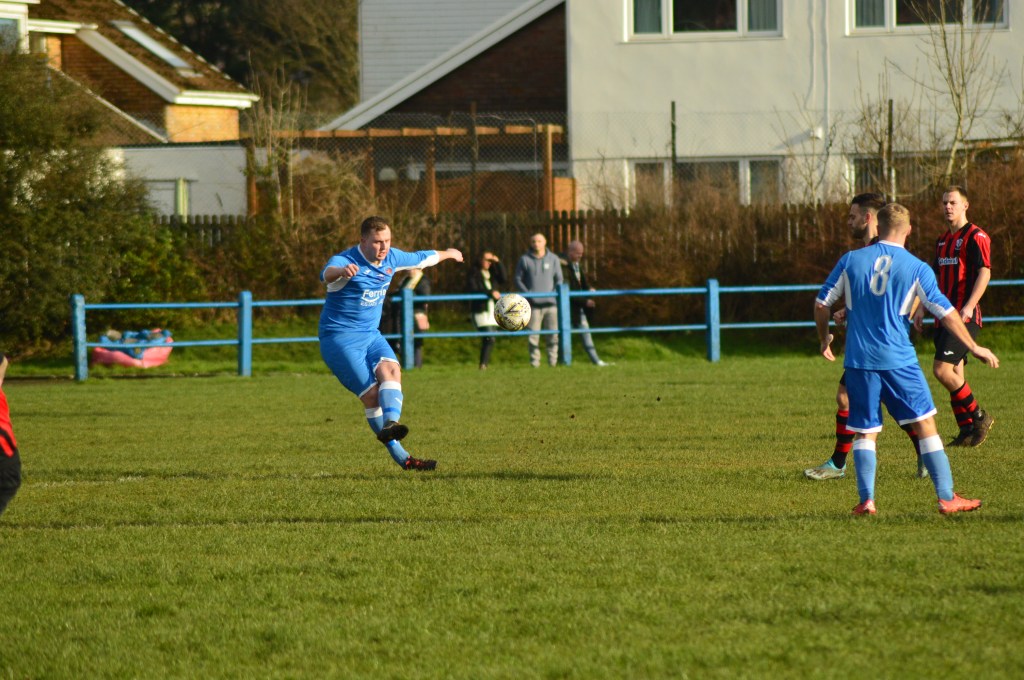
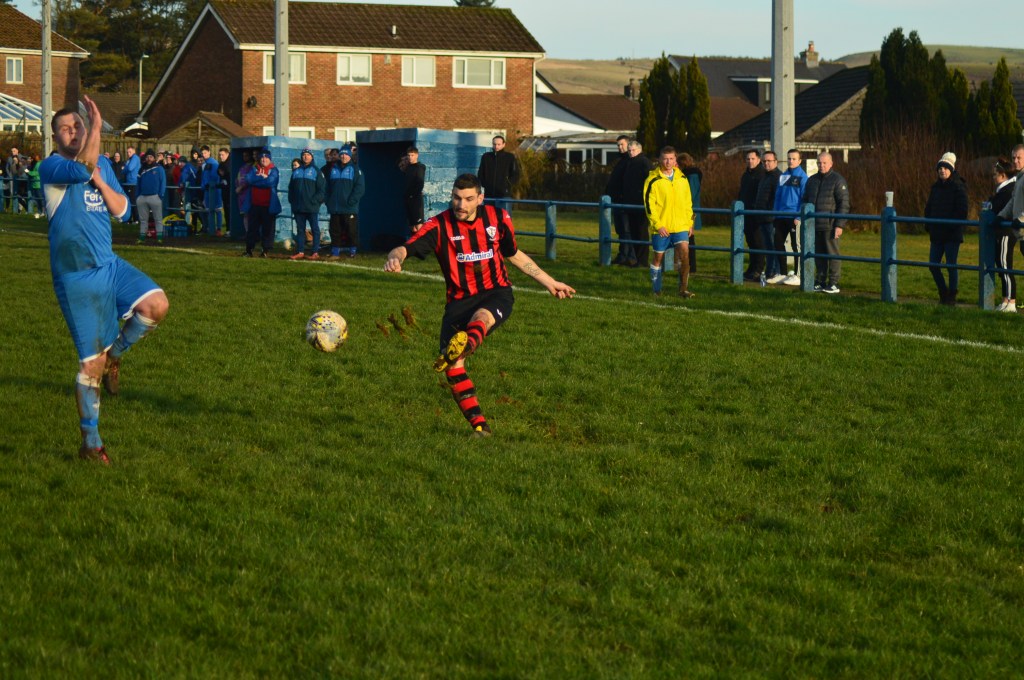
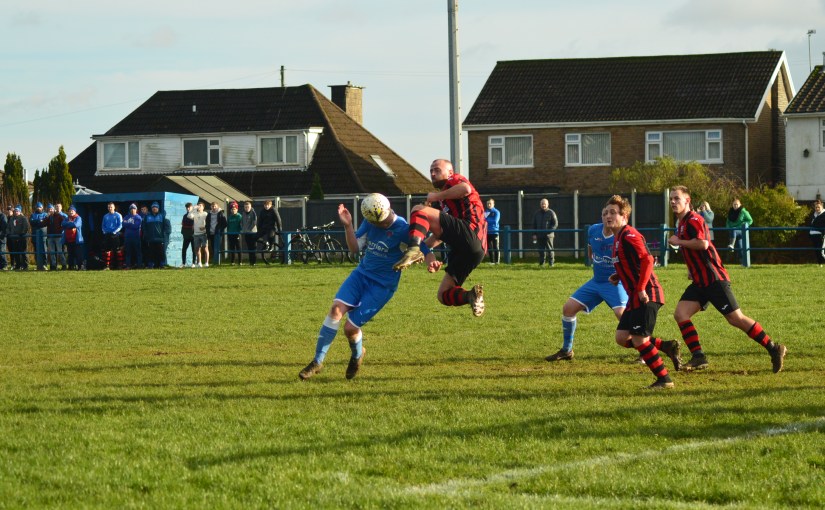
A weekend free of club duty (no fixture) meant the opportunity to visit a new ground and last weekend there was one fixture in the south that really stood out: Pencoed Athletic BGC’s visit to Maesteg Park in round three of W John Owen Cup.

The W John Owen Cup is the league cup organised by the South Wales Alliance League (SWAL), contested this season by the 45 member clubs of the league. Where it sits in the order of things within the ‘South Wales’ region is open to debate. The South Wales FA (SWFA) Senior Cup has a more prestigious history but nowadays the W John Owen Cup probably has the greatest depth of competition because it is rare for all of the SWAL’s best sides to play in the Senior Cup.

What was intriguing about this tie is that it brought together two of the most upwardly mobile clubs in the south below the Welsh Football League, two teams in good form this season, as well as an opportunity for me to finally visit an historic Welsh football ground.

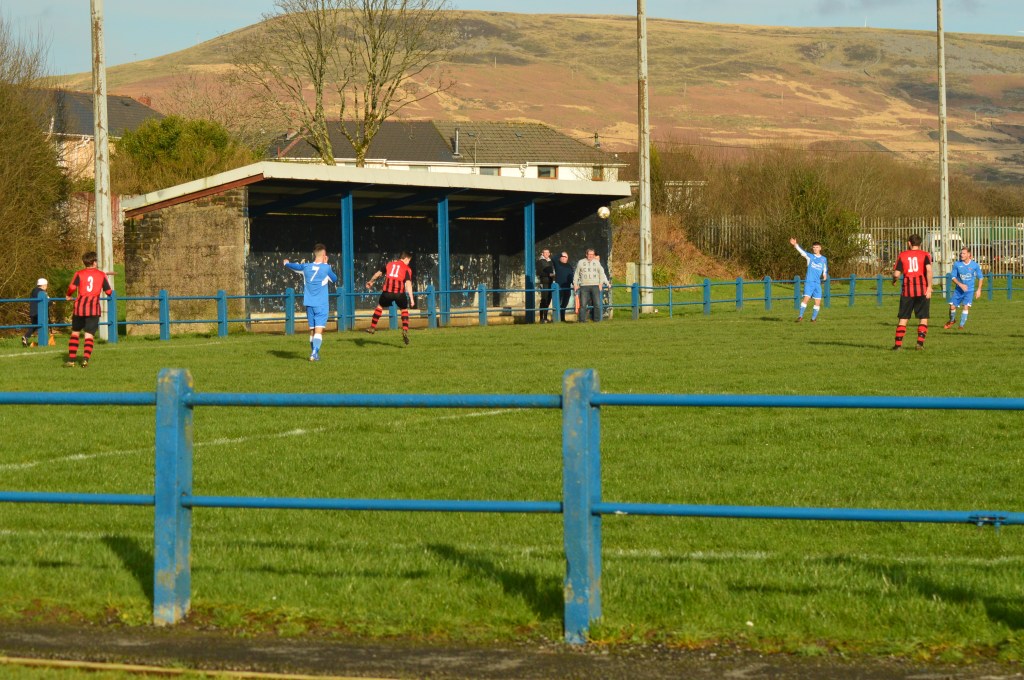
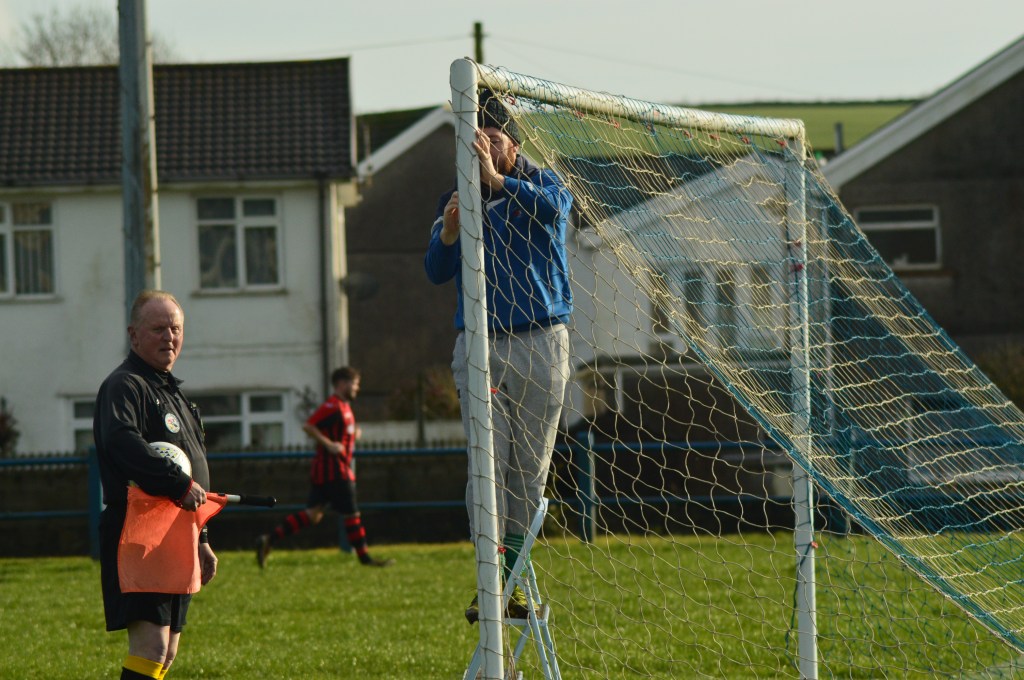
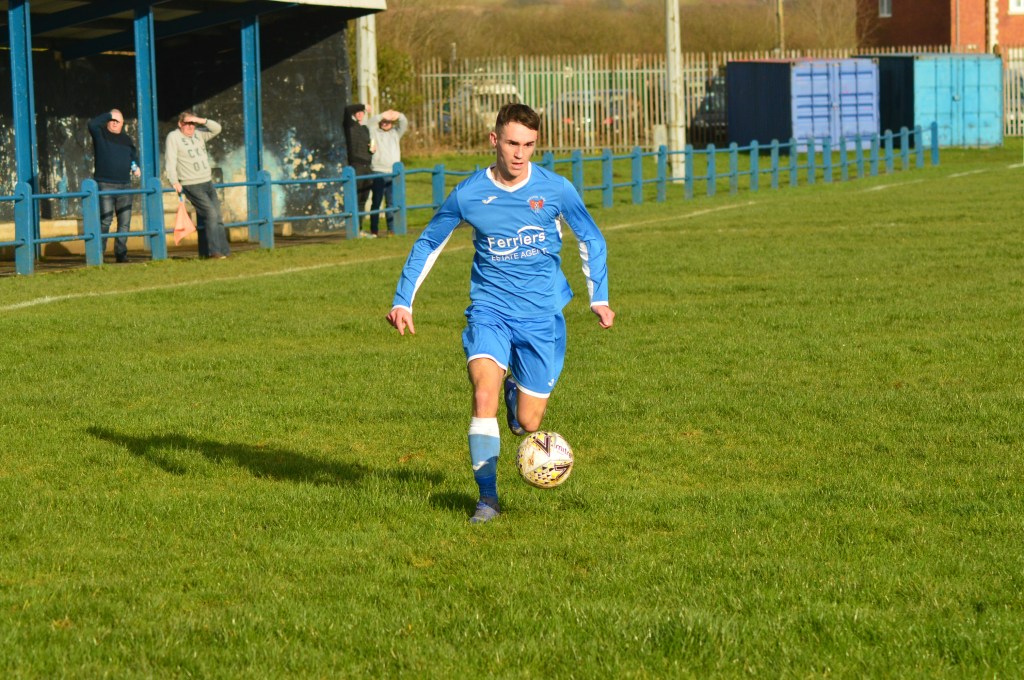
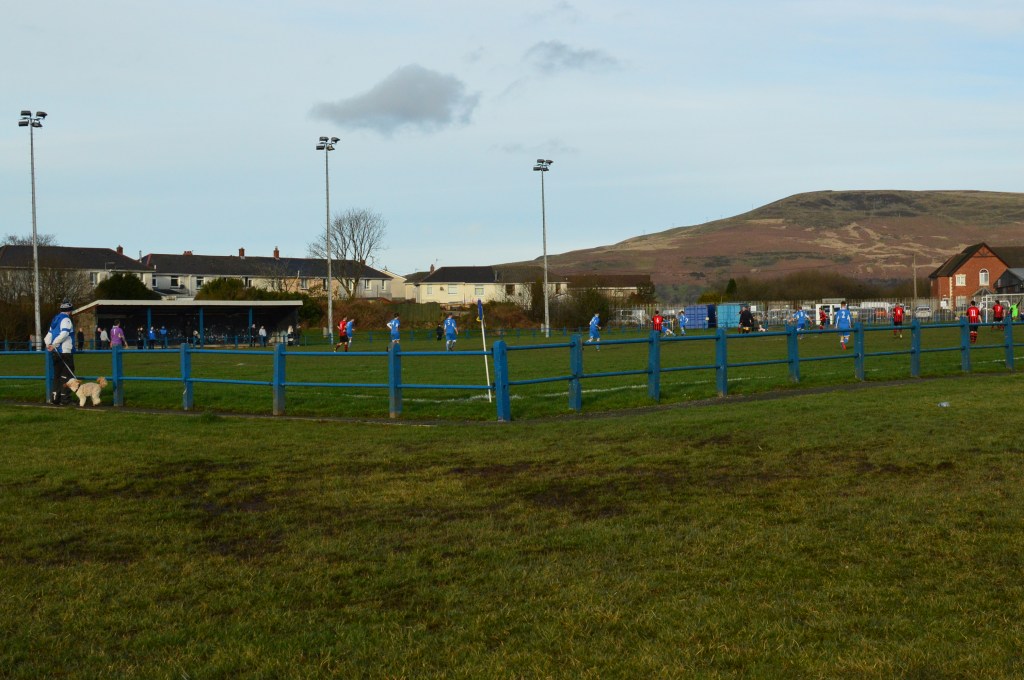
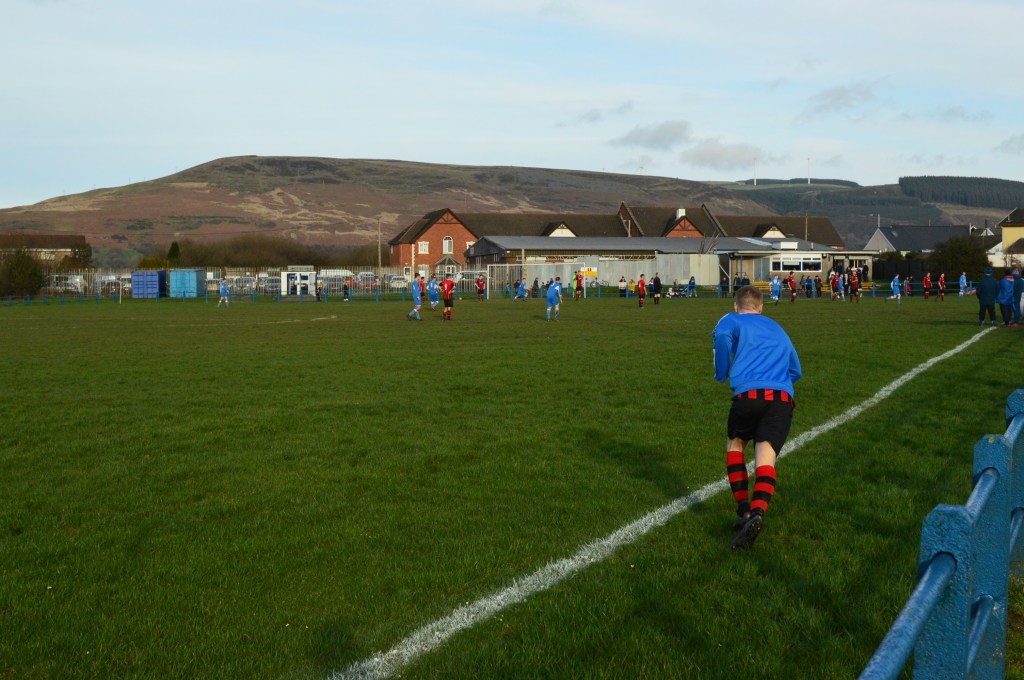
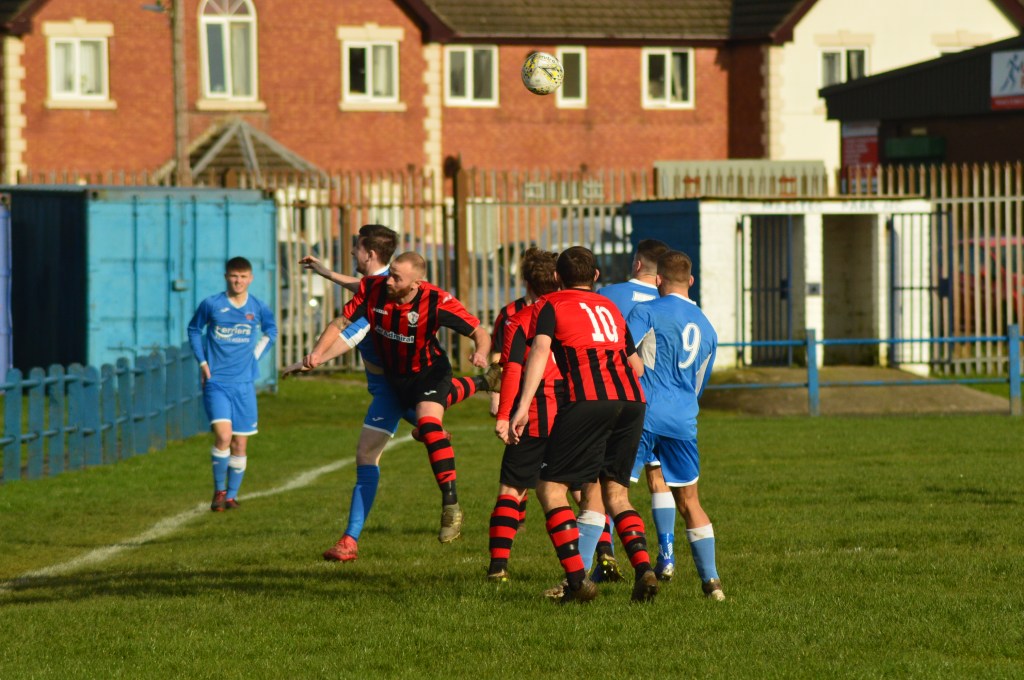
Tudor Park is the home of Maesteg Park, an original League of Wales ground where the now defunct Maesteg Park Athletic club were based. The ground bears all the hallmarks of its previous status including floodlights, hard standing around the perimeter of the pitch and a relatively large stand (although no seats) by Welsh League standards. It feels quite bare bones against the increasingly higher expectations of ground criteria certification required to play at the highest tiers of Welsh football nowadays. Nevertheless, it feels like you have stepped into a space imbibed with history the moment you cross the car park and walk through the iconic turnstile into the ground.

It is an enormous ground too, not too dissimilar in scale to the nearby Caerau Athletic Ground, and having recently completed an asset transfer of the facility from Bridgend Council, there are no doubt development plans from the ambitious club (some work has previously been carried out, including improvements to the changing room block to include a sports room for players and supporters, as well as kitchen renovations). There is enormous potential to convert this grand old space into a first-rate football facility.

The Maesteg Park story is impossible to tell without reference to the club that preceded them. There was a period when the old Maesteg Park Athletic were among the best teams in the south Wales leagues, competing in the upper echelons of the embryonic Welsh football pyramid of the 1980s before joining the League of Wales as a founding member in 1992. That year, Maesteg Park Athletic also reached the semi-finals of the Welsh Cup for the first time, losing 4-0 on aggregate to professional outfit Cardiff City.

After three years of struggle in the national league, Athletic’s return to the southern tier 2 Welsh Football League meant they were at a more suitable competitive level and they remained among the top sides in the Welsh League before a dramatic decline between 2007 and 2010. After relegation to division three of the Welsh League was confirmed in 2010, the resignation of the club’s long-time caretaker David Griffiths and his family meant the club was dissolved.

From the smouldering embers a new club emerged, taking on the Maesteg Park name and based at Tudor Park. However, the phoenix club began at the very bottom of the pyramid in the Bridgend & District League, harnessing the rich seam of talent left behind in the collapsed club’s junior set-up. Focusing heavily on local players, a new committee has gradually built Maesteg Park into a force over the last decade. Last season they swept aside all comers in district football, claiming a Bridgend League and Cup treble and earning promotion to the South Wales Alliance League with play-off victories of Fairwater (Cardiff Combination) and Ynysybwl Athletic (Taff Ely Rhymney Valley).

That Andrew Jones’ side were head and shoulders above their previous level has been emphasised by a storming start to life in the Alliance. Winning all their first eight games by a margin of at least two goals, the Park Arabs look well on course for promotion again. They have lost once in 14 league games so far, 2nd in the table with games in hand over leaders Canton Rangers. The only real blip in the season so far was a surprise exit in the SWFA Senior Cup to Rhondda League side Cwm Rhondda. Many would have put Maesteg Park down as one of the favourites to lift the trophy.

Visitors Pencoed Athletic BGC came into the game in similar upward trajectory. A club that was well-established in the now defunct South Wales Amateur League (which merged with the South Wales Senior League to form the SWAL in 2015), Pencoed were placed in the premier division of the SWAL from inception and over the past 5 years have steadily improved. Two top three finishes in the past three campaigns have consolidated their status as one of the best teams at this level. The top of the SWAL is a crowded place these days though and if Mark Powell’s side are to finally claim a league title this season they will need to come through what presently appears to be a five-horse race.

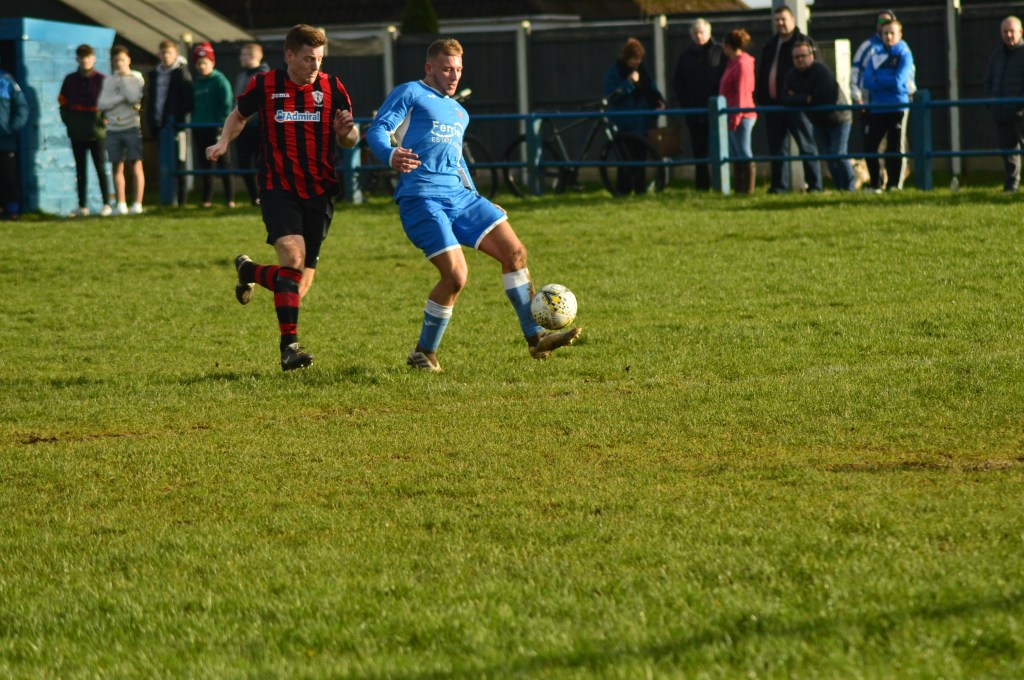
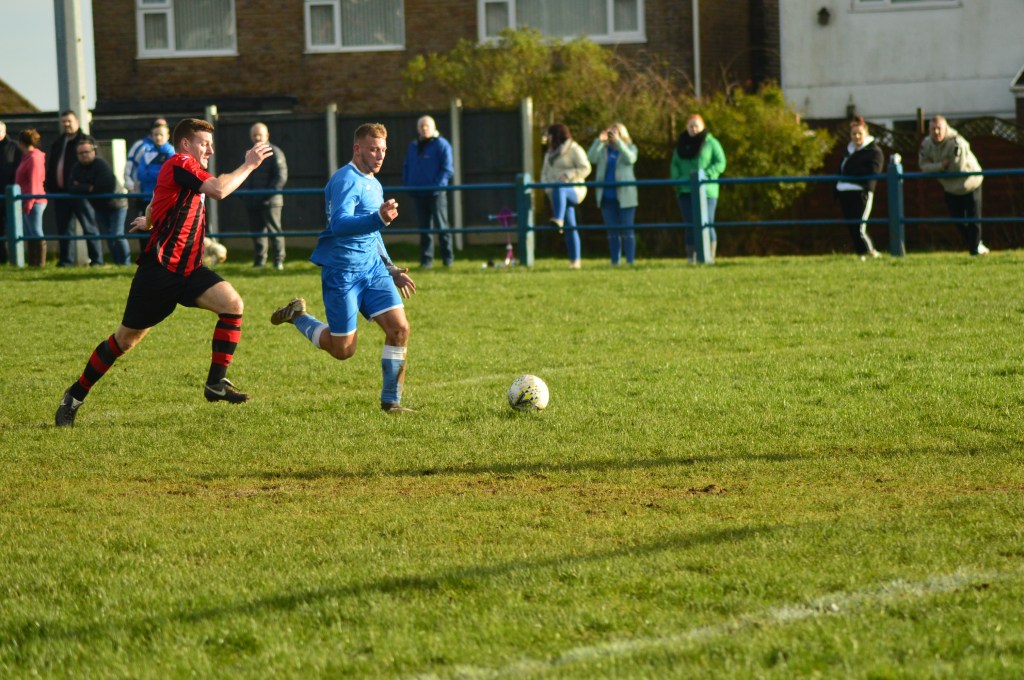
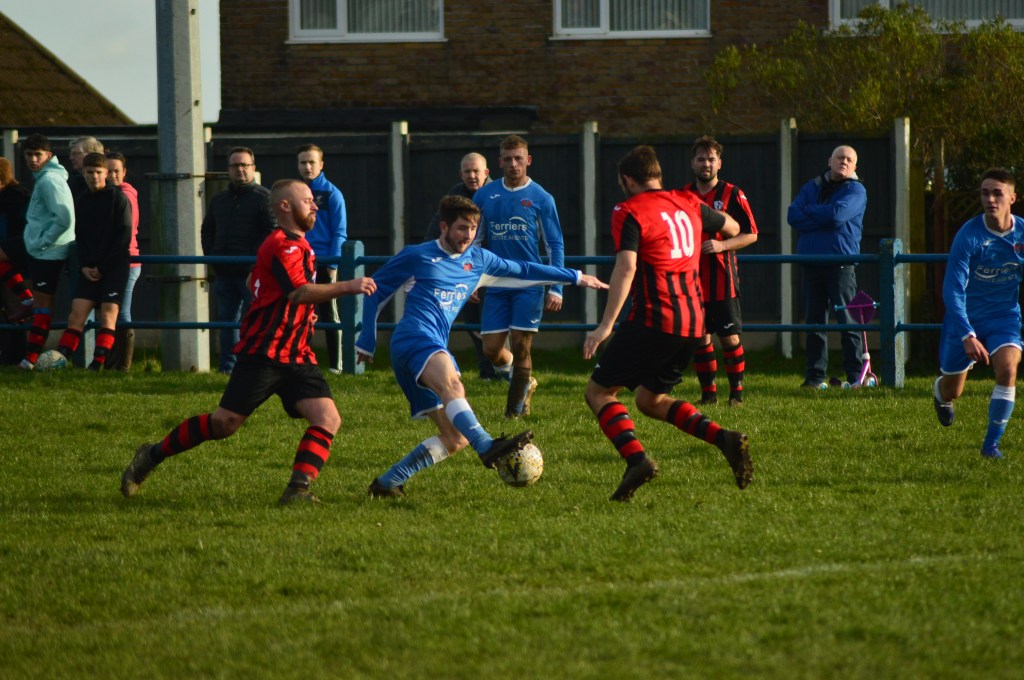
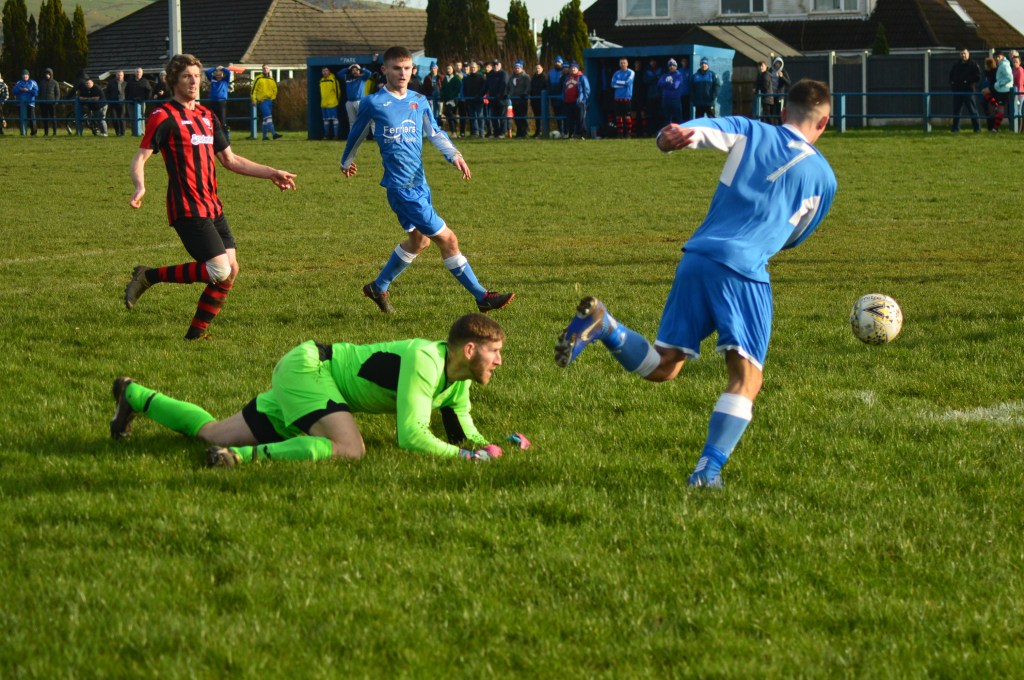
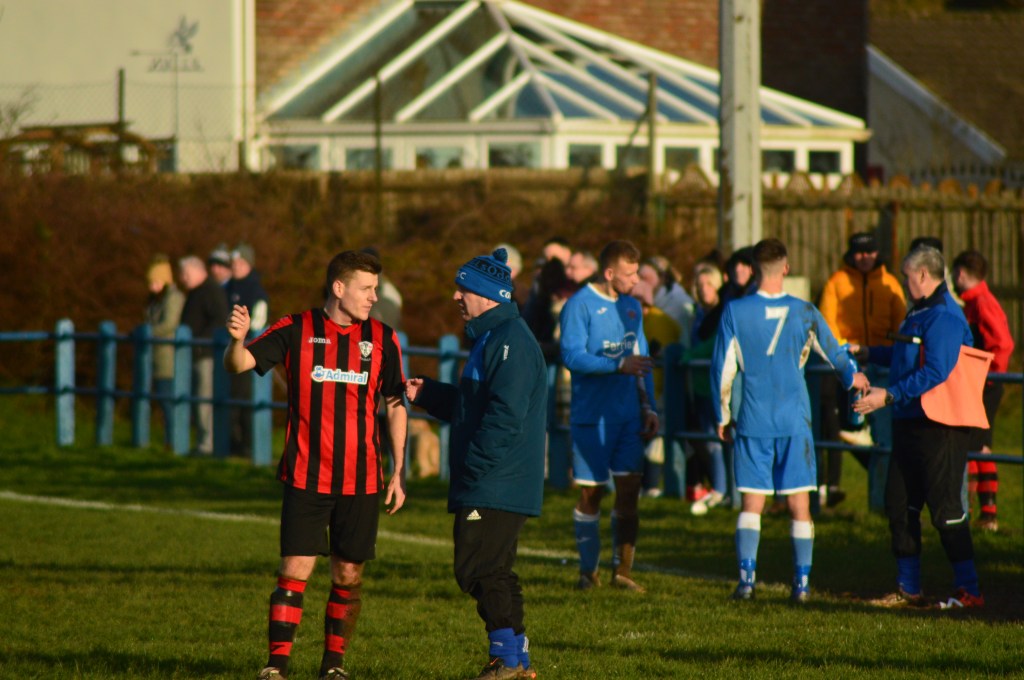
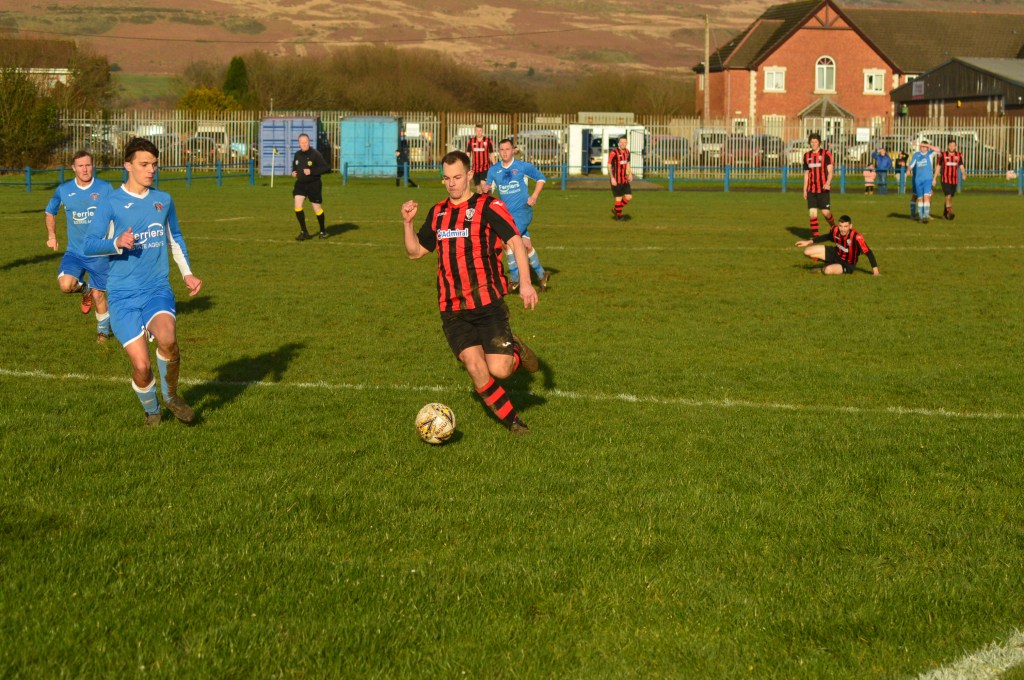
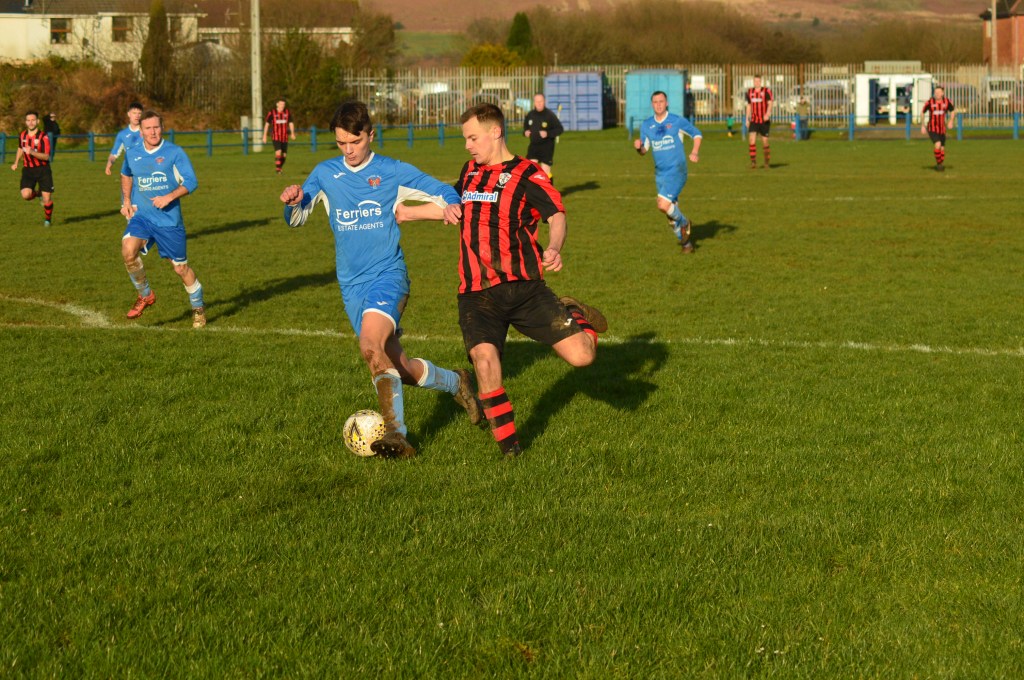
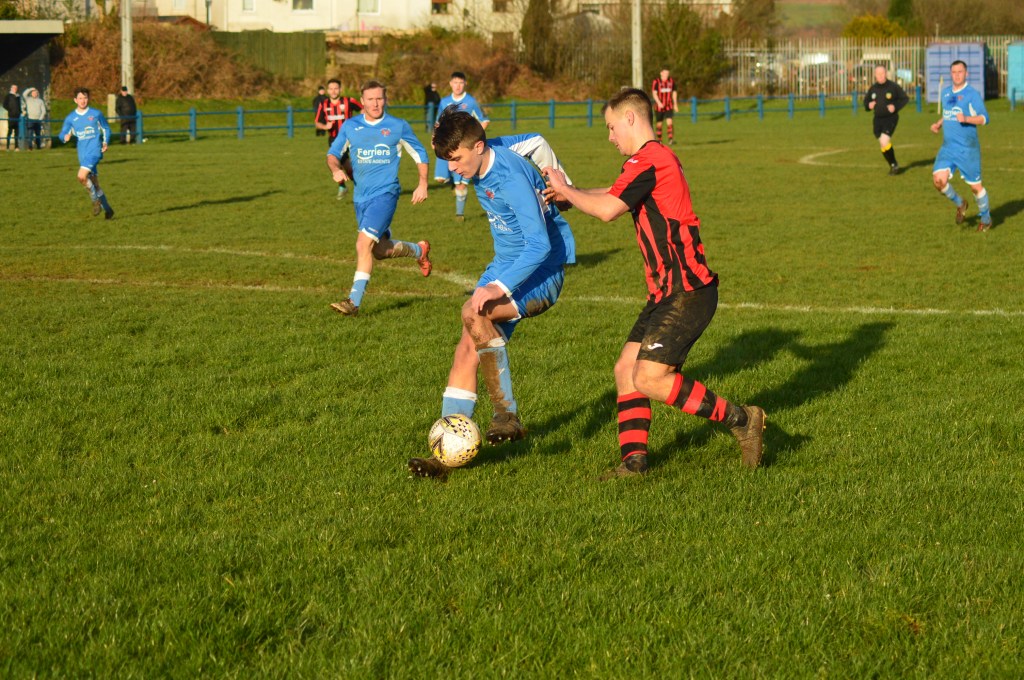
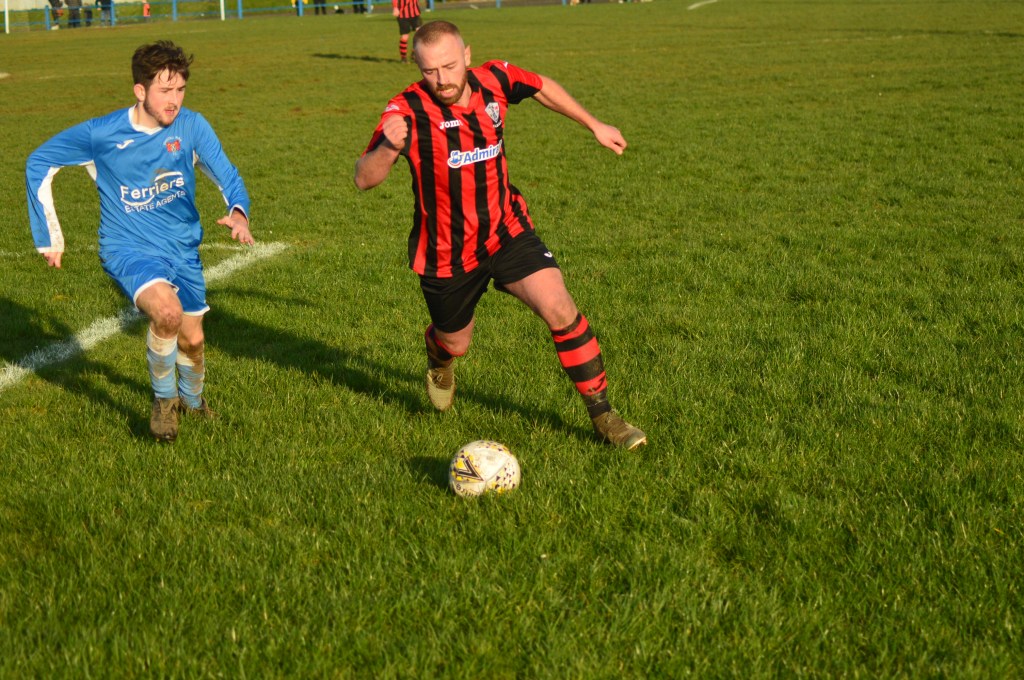
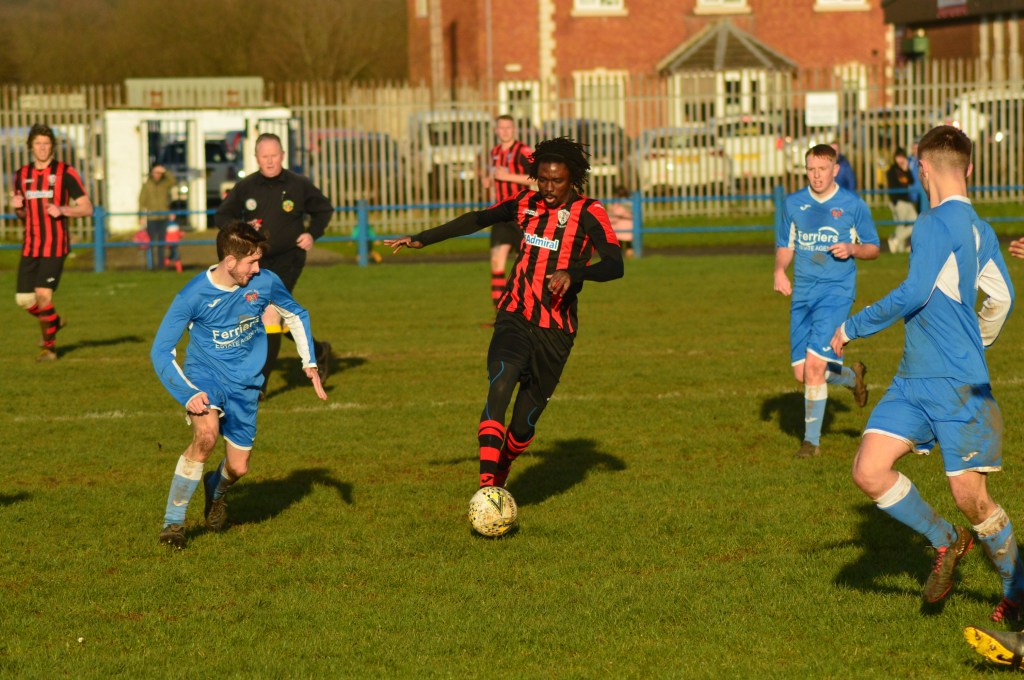
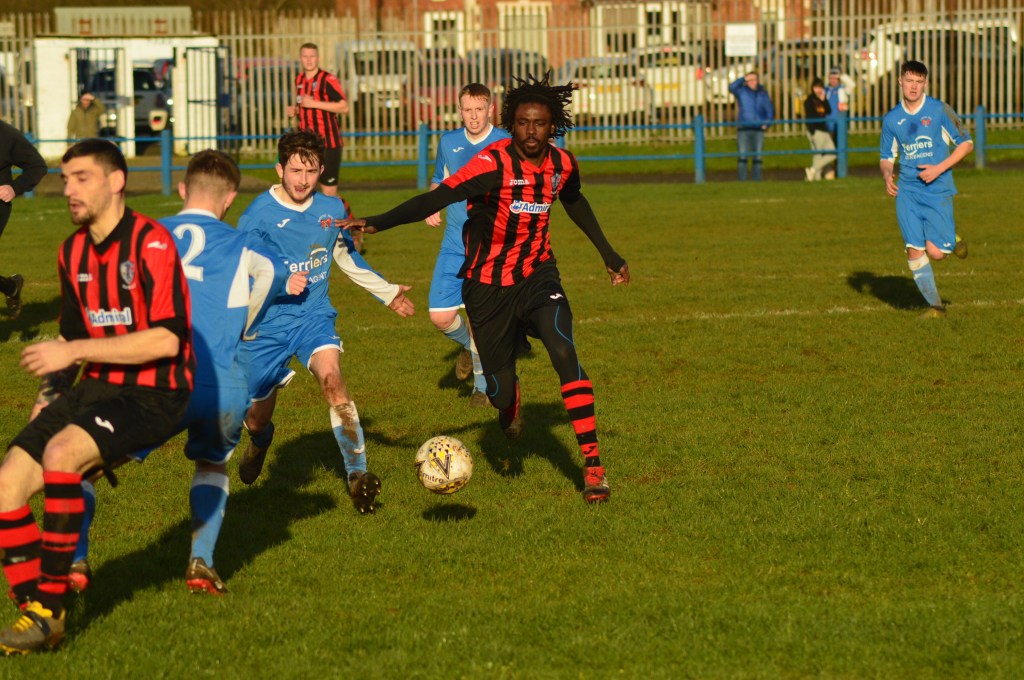
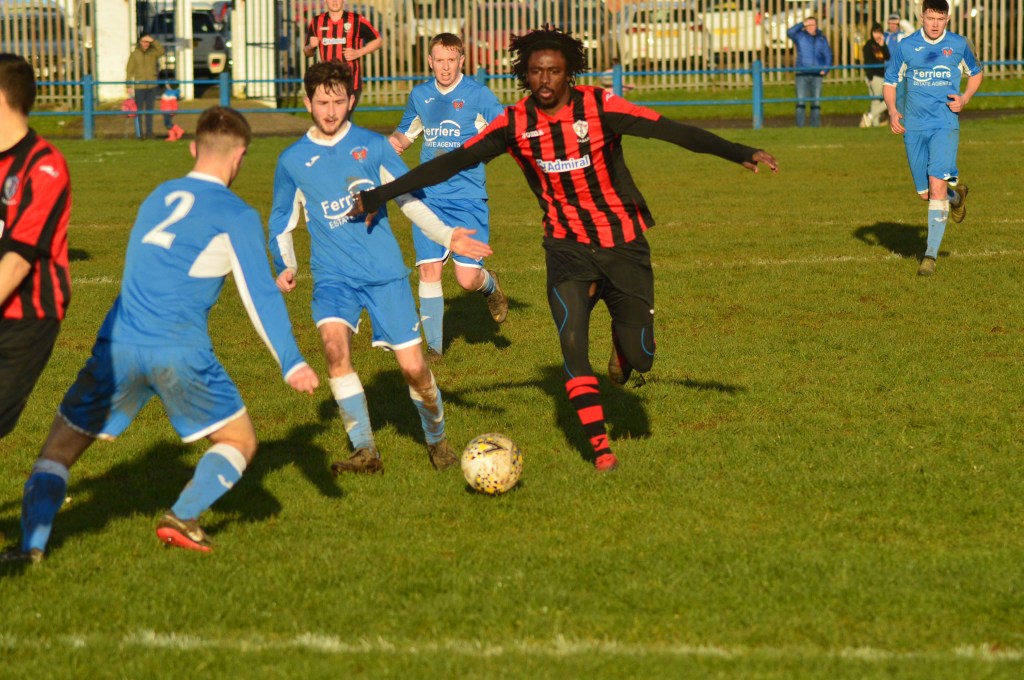
Both sides started the game with notable absentees. Maesteg’s top scorer Steffan Roberts was unavailable, Pencoed were missing several first team players but were able to start Adam Carpenter who signed from Cymru Premier side Penybont before the game. If you didn’t know any better you would have thought watching the first half an hour that the home side were the higher league opposition. Maesteg dominated the first half in terms of possession and territory, winning lots of duels but I couldn’t pick out too many truly clear-cut opportunities. Lots of good play from the hosts but the Pencoed keeper wasn’t as busy as Maesteg’s control may have forced.

Even though their attacking moments were sparse in the first half, Pencoed did look incisive from counter-attacks and probably should have taken the lead before they did but for a horror miss from a couple of yards out. However, break the deadlock they did through Jack Delve’s fine finish somewhat against the run of the play.

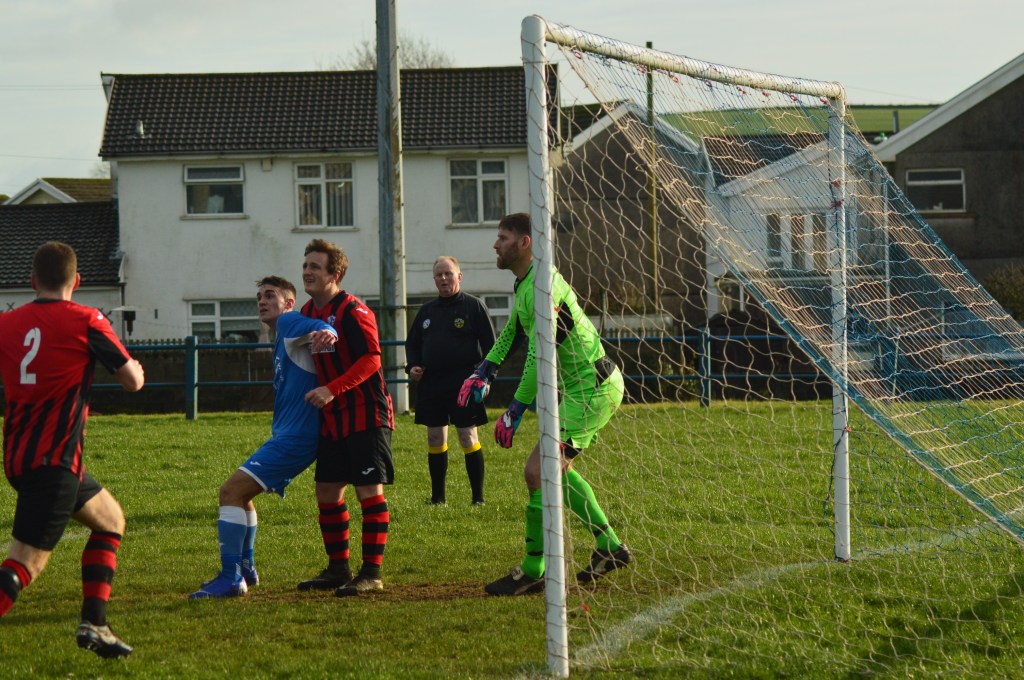
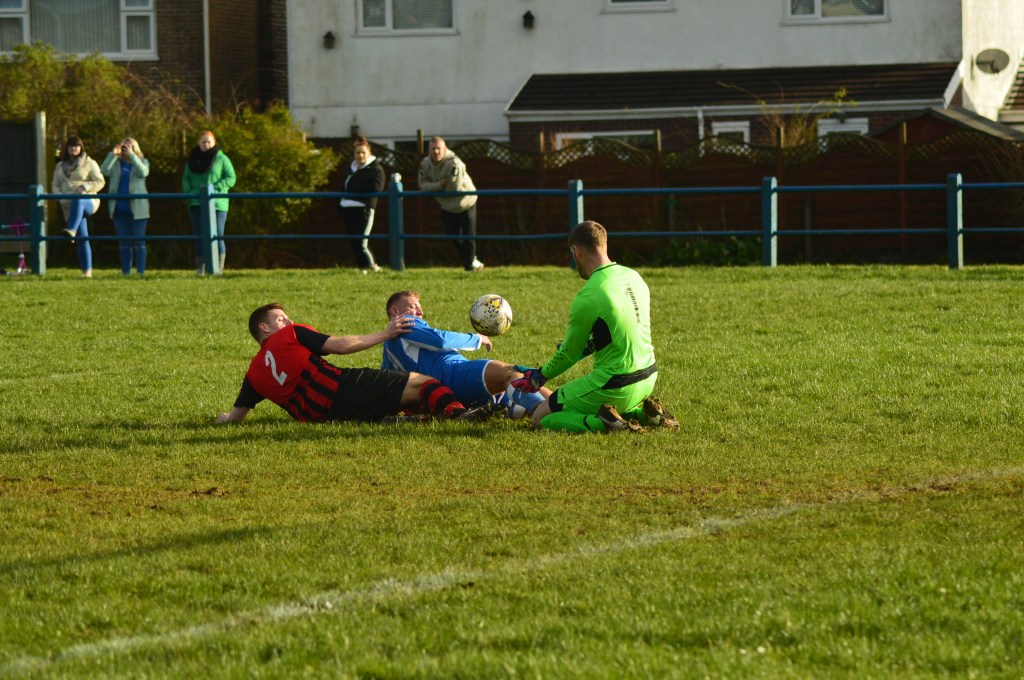
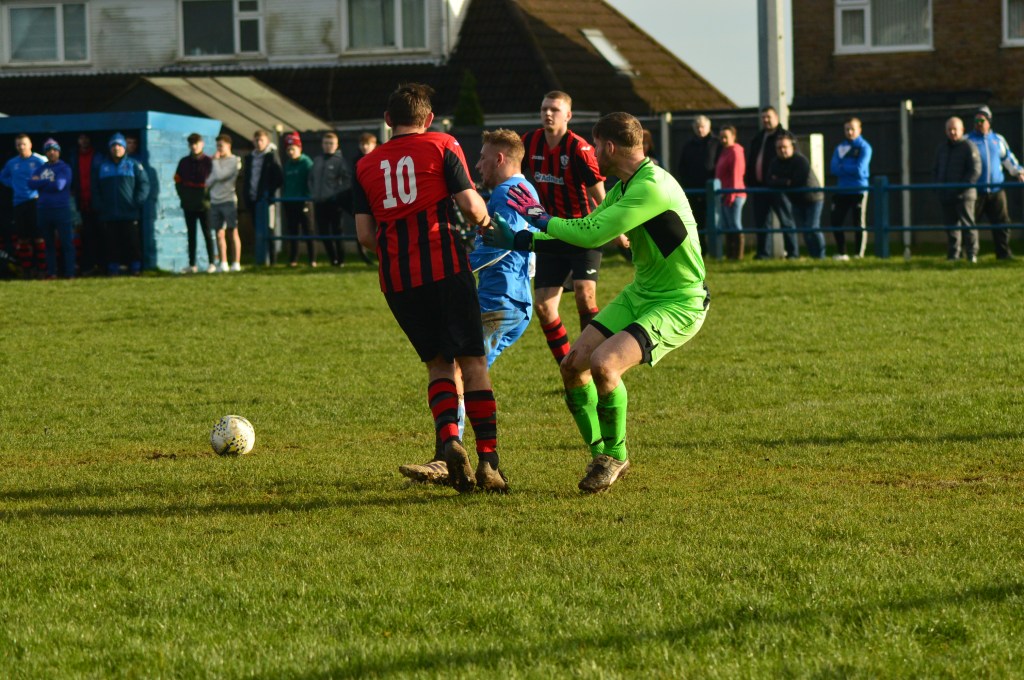
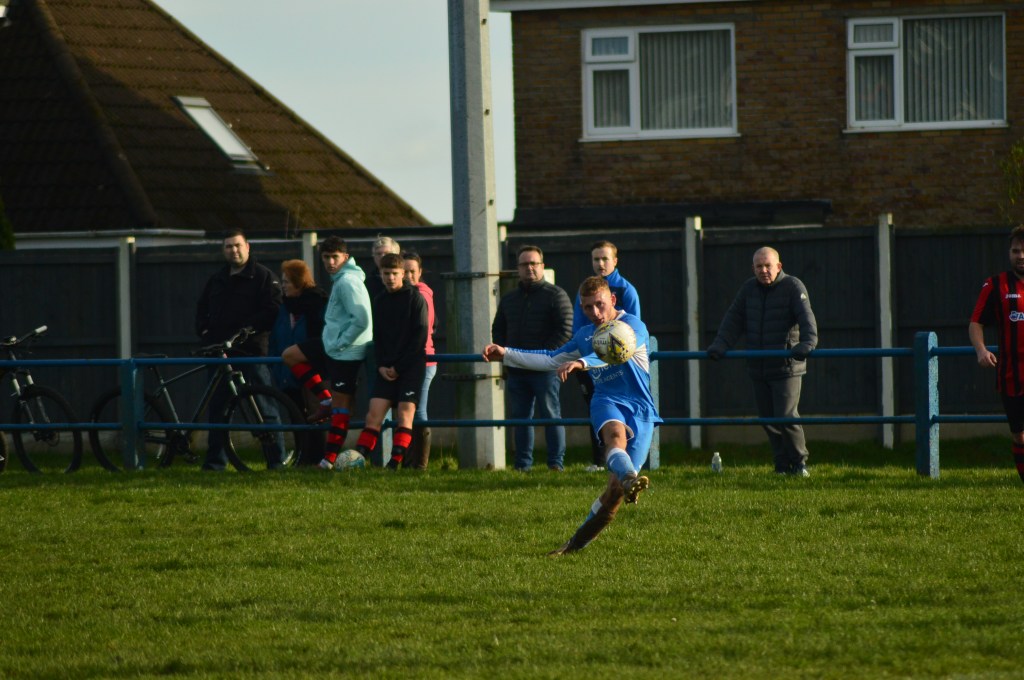
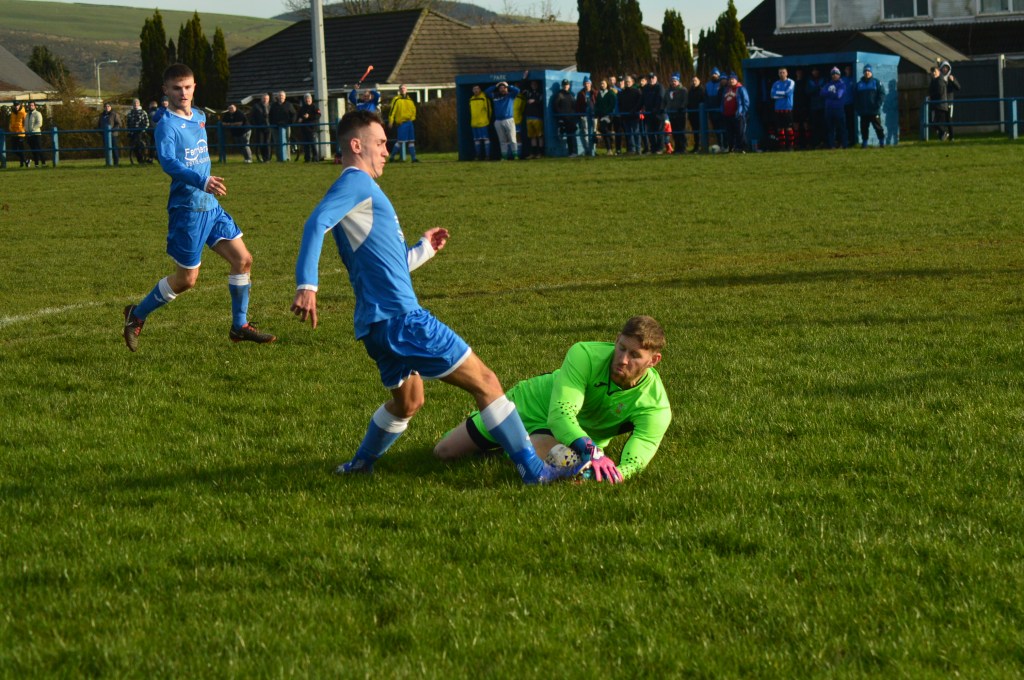
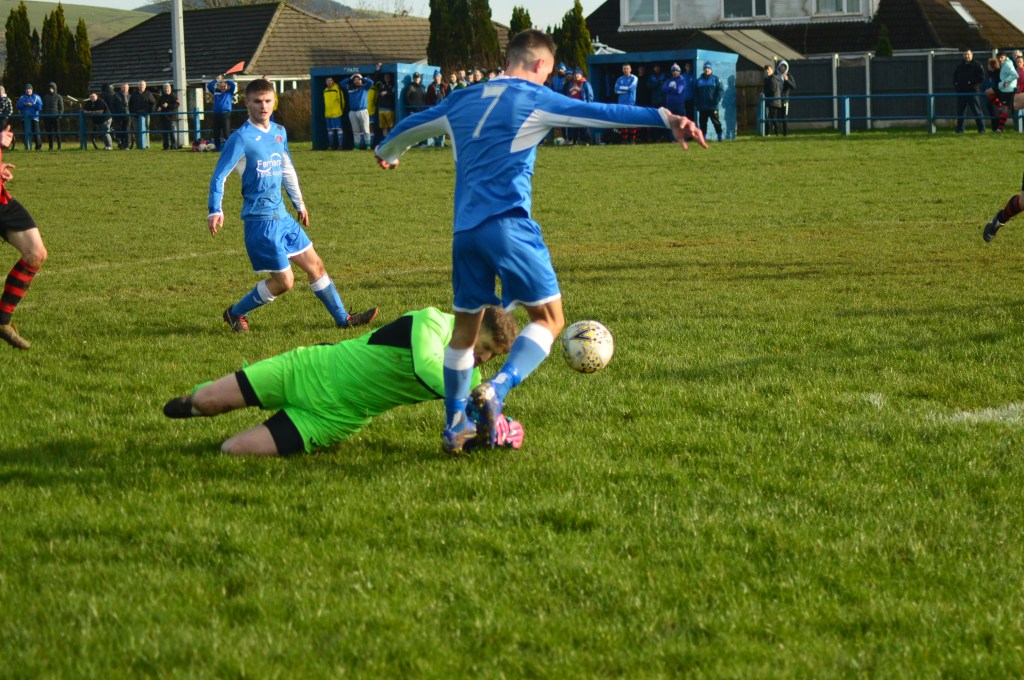
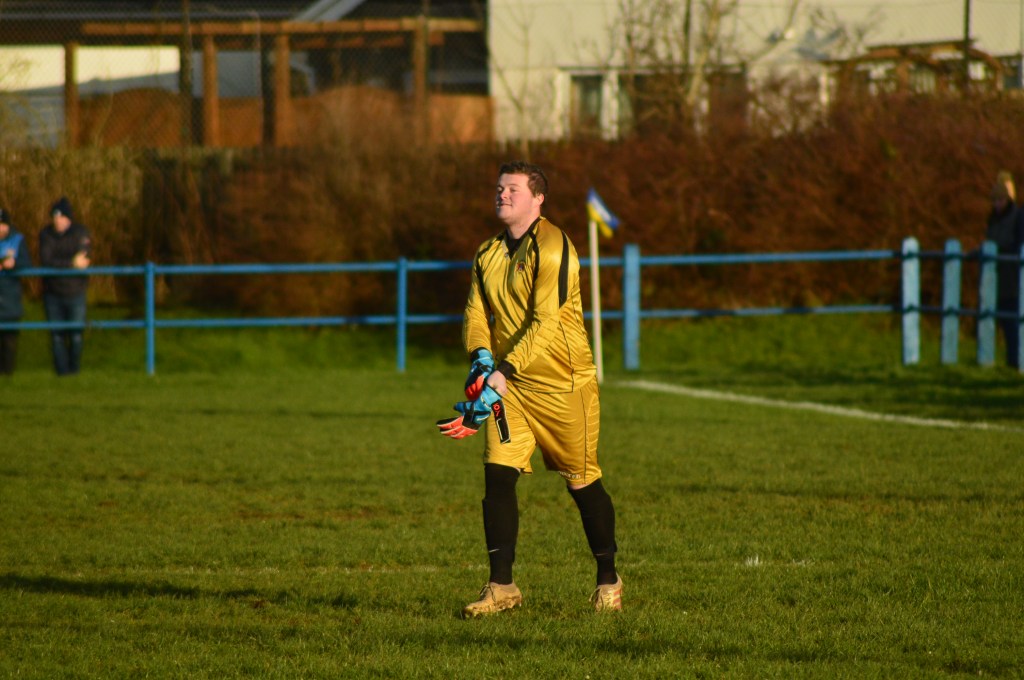
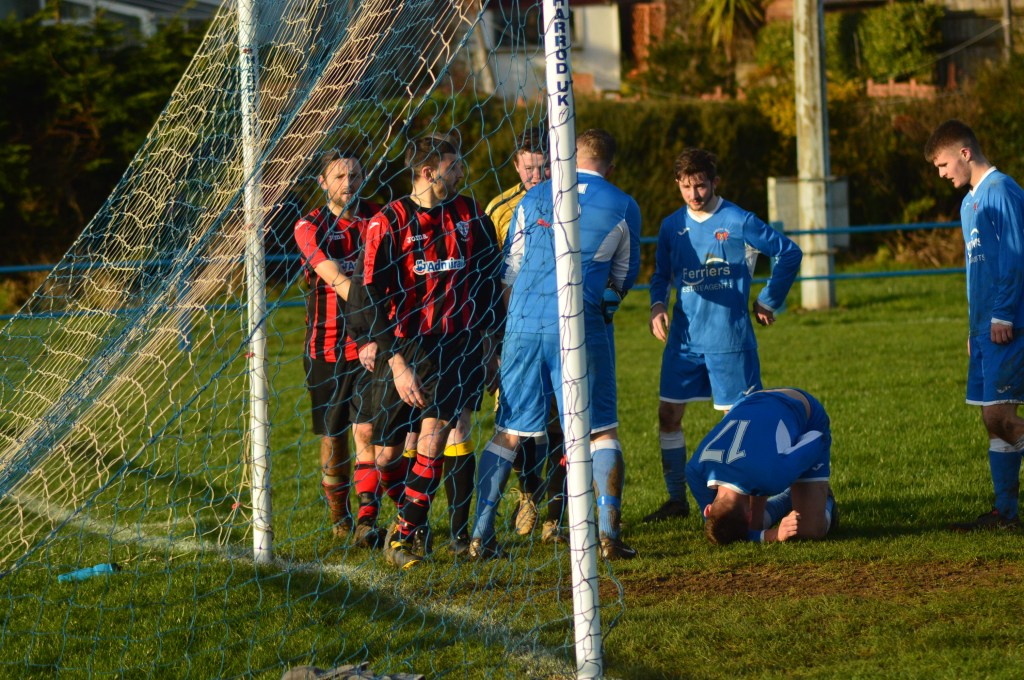
After the break Maesteg Park came out of the blocks strongly and another period of sustained pressure ensued, bombarding Pencoed’s penalty area with a series of dead ball situations. The pressure eventually tolled around the hour mark when Pencoed’s custodian spilled a free-kick and the ball was bundled home. I believe forward Ashton White – one of the young, local stars of this Maesteg side – claimed the goal.

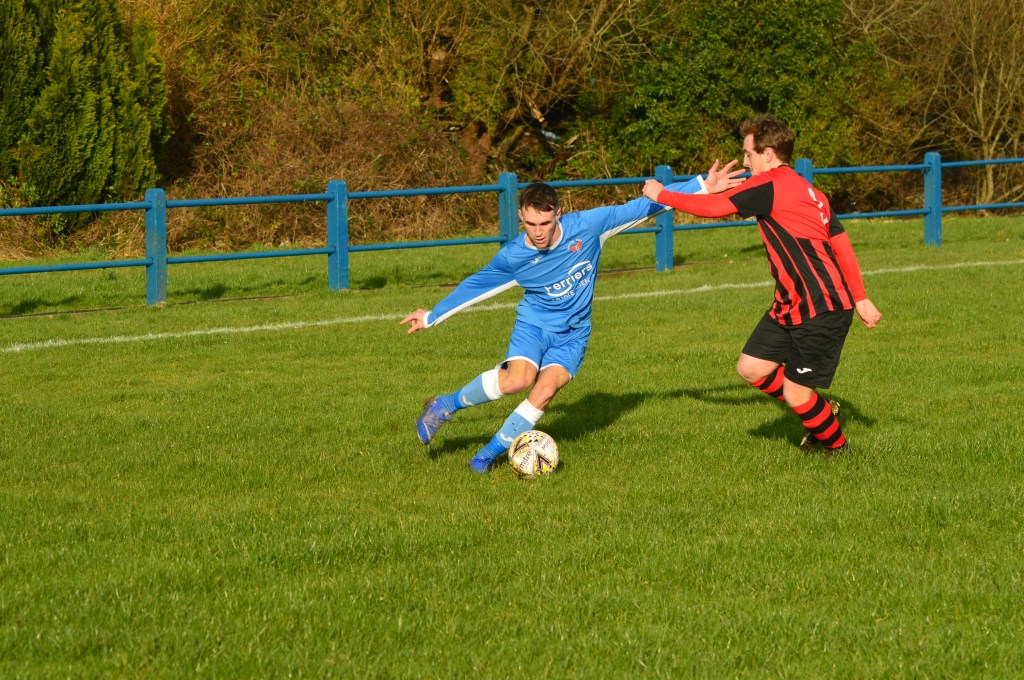
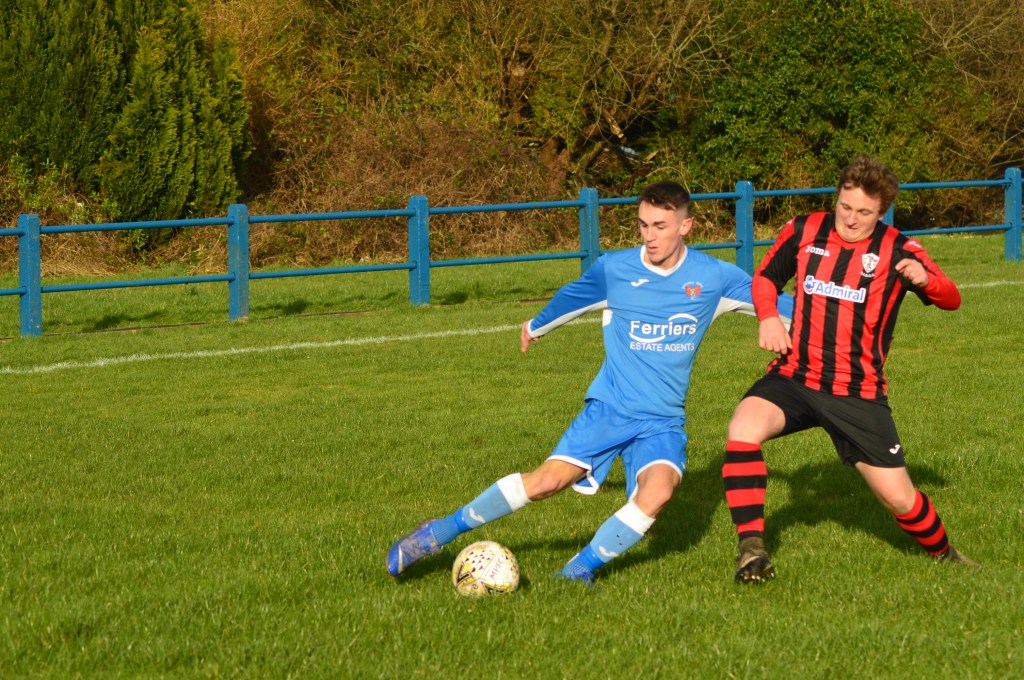
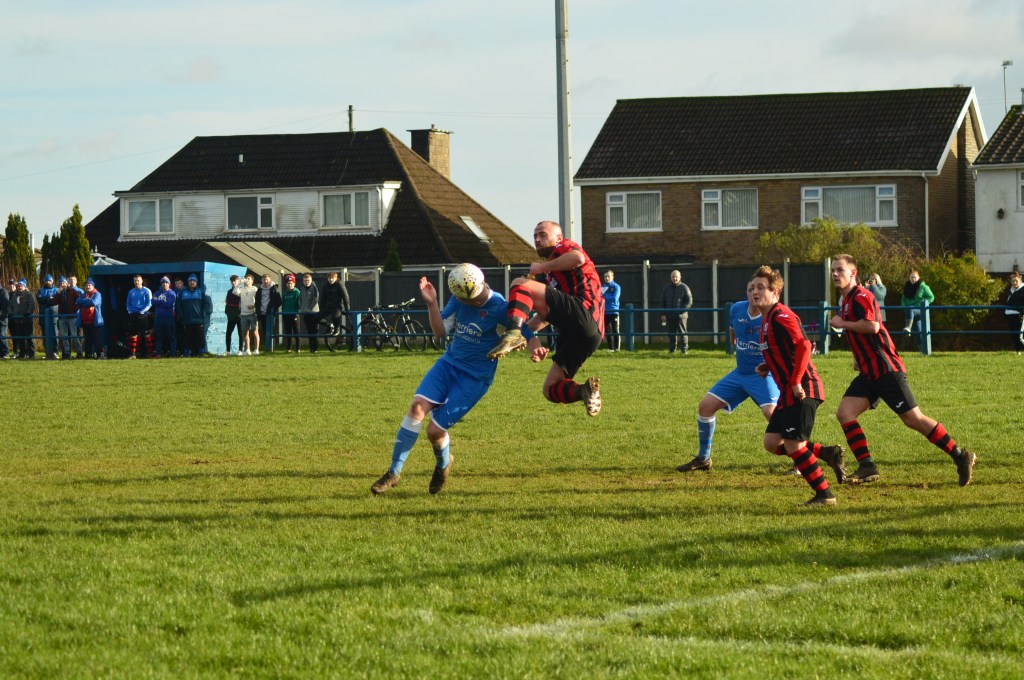
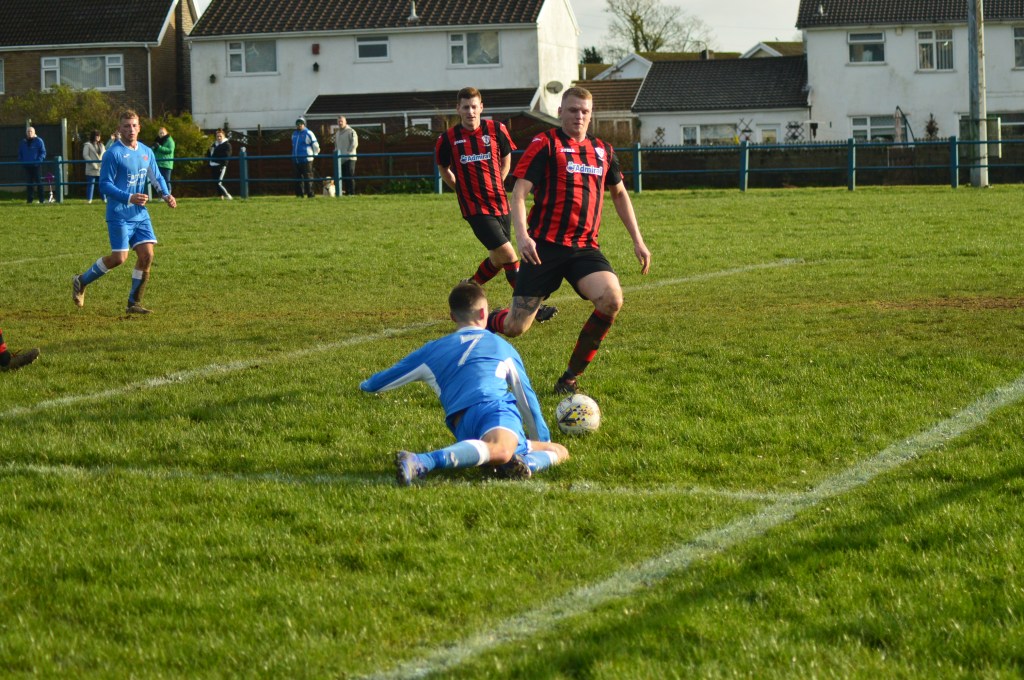
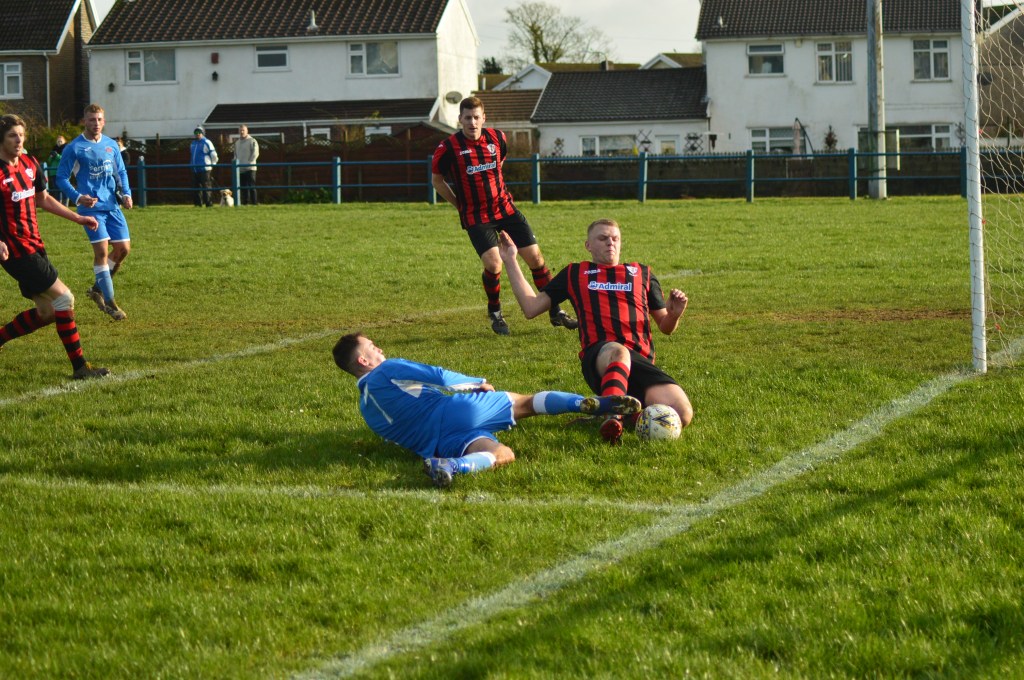
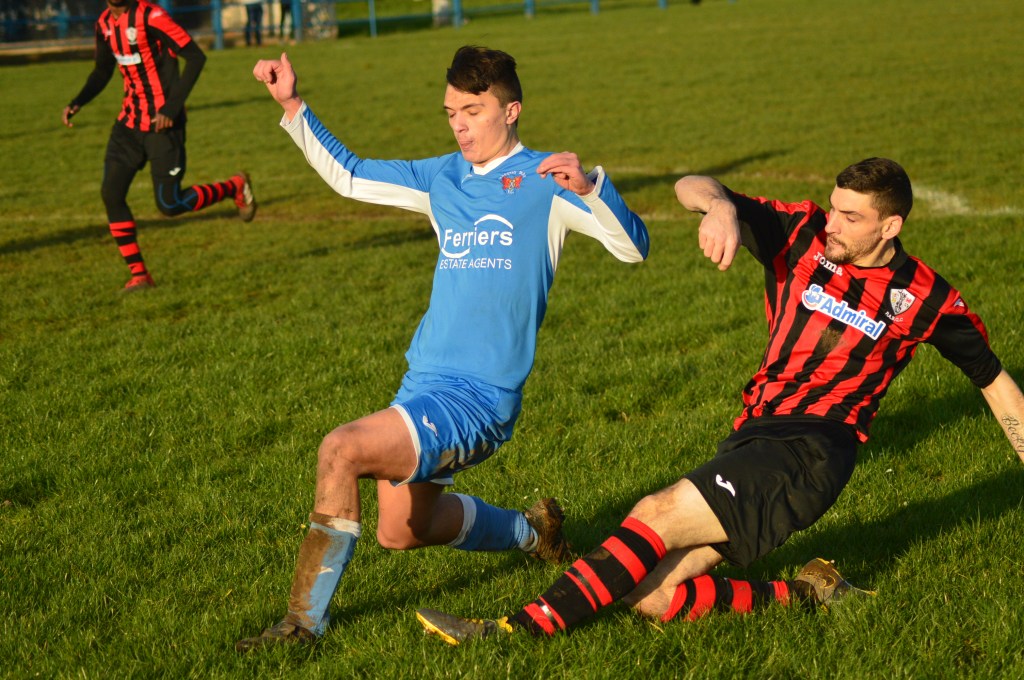
The final half hour proved a proper scrap on a pitch that wasn’t easy on the eye or the play; it was testament to the quality in both sides that such an engaging football match was played out on the surface. There were chances at both ends but neither side could strike the decisive blow in the regulation 90 minutes so we got another half-hour.

The winning moment came shortly into the second period of extra time, Pencoed’s Darren Townsend showing the poaching instincts that made him one of Mark Powell’s key targets in the summer to score from close range. Maesteg threw everything they could muster at Pencoed in the final stages and the visitors really had to dig in and use all their resolve to retain the lead, with a little bit of fortune along the way. The exhaustion of both sets of players was evident at the final whistle.

Pencoed progressed but there was no shame for Maesteg Park, newcomers in regional football, who more than competed with their higher level opposition. It was a fantastic football match, a hard-fought slugfest of a game. The crowd of around 90-95 is very good for a club playing at tier 7 but it was an encounter of such quality and competitive spirit it deserved the company of two or even three times that number.

Match notes
18.1.2020
Maesteg Park 1-2 Pencoed Athletic BGC [AET]
(Ashton White 60′; Jack Delve 40′, Darren Townsend 107′)
W John Owen Cup Third Round
Tudor Park, Maesteg
Attendance: 95 (approx) | Entry: Free

Welsh Ground #84
PORTFOLIO: Q & A with David Collins (Welsh Football magazine)

This Q & A, with the founder and editor of Welsh Football magazine David Collins, was published in January 2019 as part of an ygemfootball.com feature. David has been watching Welsh football since the late 1980s and writing, editing and publishing on domestic football since the early 1990s.

Looking back at this article I believe there are many commentaries David offers that remain pertinent even 12 months later and looking ahead. Therefore, I decided to give those thoughts he shared another airing.

*

1. Let’s go back to the beginning. How and when did your journey through Welsh football begin? Do you remember your first game?

DC: My job moved out of London to Cardiff in the 1980s, but I didn’t take a close interest in local football to start with. I would read about the Welsh League in the Football Echo every Saturday, and attended a few internationals at Ninian Park, but it wasn’t until a friend at work suggested going to Merthyr’s Welsh Cup final in 1987 that I watched a club game.

That motivated me to get out and visit a few clubs the next season, and I found I really enjoyed discovering new places and getting to know Wales.  It could be a real challenge finding out where clubs played and working out how to get there.

I also found I didn’t mind spectating as a neutral, which I’d never really done before.  In a crowd of hundreds at most, I still felt involved.

2. Have you always been involved as a fan/reporter/writer, or have you been involved with any clubs in the past?

I grew up in south-west London and I’ve been a lifelong Wimbledon fan (now AFC Wimbledon, of course).

I loved the fanzine culture that sprang up in the eighties and as I’d always enjoyed writing, I contributed to a few.  Once I started to watch games in Wales, I would write about grounds I’d visited for the early non-league fanzines – in those days before online maps, websites or social media, believe it or not there was a real appetite just for directions to venues.

My name became known as someone with some knowledge of football in Wales, especially the south initially, so I was persuaded to get involved with an early and short-lived attempt to publish a national magazine (The Welsh Footballer), and then the Welsh Football Almanac of 1991. Those projects, and the other people involved, led directly to starting our own publication.    

3. Over your time watching Welsh football, how has it changed for the better? Is there anything you feel has got worse or been lost?

The thing that has really changed above all is the sense that football in Wales is a separate entity from English football.  Even in the late 1980s, we had no national league, and in the south the Welsh League was seen as no more than an unofficial feeder into the English Southern League.

Maybe as an incomer to Wales, with no historical ties, it was easier for me to see how special Wales’s status as an ‘Independent Football Nation’ was, and how important it was for the FAW to (belatedly) assert that at club level as well as internationally.  So the creation of the League of Wales / Welsh Premier and its supporting pyramid has to be the biggest change I’ve witnessed.

As for what’s been lost…  well I miss some of the mystery and excitement of locating and visiting far-flung places, tracking down league directories, street maps and timetables.  We take the online availability of all these things for granted now and it’s so easy, but a bit less of an adventure!  

There are a few venues I really miss too – funnily enough Darran Park, Ferndale is one.

4. What is it about the Welsh Football scene you enjoy so much?

There are many things I could mention here, but above all I think it’s that getting involved in football in Wales has caused me to travel all around the country, to appreciate what a diverse and beautiful country it is, and to make so many friends.  Without football, I doubt I’d have come to feel such a strong sense of belonging here.

The other key point, and I think it’s one that many Welsh people have a blind-spot about, is how special it is that Wales does have independent status as a country in FIFA and UEFA.  The Welsh domestic club scene is every bit as important as having a national team, and I enjoy supporting all our clubs in Europe where they’re representing Wales.  

5. When you visit a new ground, do you look out for anything specific when deciding ‘where next’?

I’m not always single-mindedly looking for a new ground – it’s getting harder anyway as I’ve visited over 450 in Wales.  So there are plenty of re-visits, and I’m often looking for the most interesting fixture. I do have some favourite competitions, like the Welsh Cup and FAW Trophy and the local cups in all Welsh regions can also be really enjoyable.

6. One of the features of your groundhopping tales is your use of public transport – no matter how obscure the destination or cumbersome the journey. Believe it or not, we’ve found it has a sort of cult status? Is there any particular reason for travelling this way?

It came about because I never enjoyed driving and decided many years ago I would be happier relying on public transport (plus the occasional welcome lift).  Planning journeys can be quite enjoyable, and it’s much easier these days with everything online, and mobile phones for when things go wrong.  

I see the groundhopping tales on my website blog as a chance to write in a different style – a bit lighter and more anecdotal than the magazine.  I’ve been neglecting the blog a bit recently – if it’s as popular as you say I should probably do it more regularly. 

7. What have been the most memorable journeys, good and bad?

Some of the away trips in UEFA competitions stand out, like Slovenia with Inter Cardiff, and Hungary with TNS.  

In Wales, there are just so many memorable ones.  In recent years Borth United stands out in the memory, and this season a lovely day out at Tintern Abbey FC. 

I’ve had my share of disastrous journeys too.  Travelling long distance to find a postponement is always a risk and I remember going to Hay-on-Wye for an Emrys Morgan Cup game back in the nineties and finding that the visitors from Cardiganshire had withdrawn.

Closer to home, I remember slipping and breaking my shoulder up at Cyncoed back in UWIC’s Welsh League days, so that was a bit memorable for the wrong reasons too.    

8. Turning to WFM. When you started out, what was your aim? How has it evolved over the years?

We started Welsh Football Magazine because we thought Wales ought to have its own football publication – in 1992 the League of Wales was about to commence so it was a time of change.  We didn’t have long-term aims and it was only ever a side-line, done for enjoyment rather than income – faithful to ‘fanzine’ roots. 

It has always been important to me that the writing in the magazine is of a high standard.  That’s probably easier in a print publication, where I can prioritise quality over quantity of output. Over time, it also became possible to develop into a more professional-looking product, and less like the traditional fanzine. 

As long as it hasn’t lost money, I’ve been happy to keep it going, because that original aim of a national publication is just as valid today.  

The magazine has evolved thanks to technology as well.  News and so forth is best covered by more new media, so it’s a question of concentrating more on features, in-depth analysis and the historical articles that we now include.  But actually, I’ve also found that people still really appreciate having all the up to date domestic league tables etc. in printed form.  

9. It’s being going for more than 25 years, that’s incredible success. Has it surprised you how popular it is among your readers?

That’s the only reason it’s been going so long.  We do get a lot of appreciative feedback from all quarters, which makes it easier to justify devoting so much of my time for no monetary gain. 

Part of the success is down to appealing to several demographics:  people involved in domestic football, along with the proud Welsh nationalists and Exiled Welshmen, and then also the groundhopping community outside of Wales – you’d be surprised how many subscribers we have beyond Welsh borders and even outside the UK.

At one time, it seemed that digital media might replace print, but actually demand for a printed product remains high. In fact, social media etc. have helped, in spreading the word and helping customers to find the magazine. 

10. There’s lots of independent media coverage of Welsh football now, although disappointingly the mainstream sources in Wales remain uninspiring with the coverage they provide. How do you feel about this? Do you feel it is indicative of growing interest, or just the product of more accessible media platforms?

Yes, anyone can be a publisher nowadays, which certainly means more content is out there. So it’s good that the domestic game gets more coverage, but is it attracting new interest or just “preaching to the converted”?  These days because we can tailor our news and social media feeds to reflect our interests and views, we all exist in a personal ‘bubble’ to some extent.  So I see all that new coverage because I follow the right accounts on Twitter etc. – but it’s not people like me that need to be convinced.

I think there’s a bit more interest in the Welsh Premier, thanks to improving standards and the S4C coverage, but it is still ignored by the media that the wider public consume.  Just a brief preview and review of weekend WPL games on ‘Wales Today’ would have far more impact than all the independent coverage, but that seems as far off as ever, sadly.

11. The future for Welsh football. What are your thoughts of expanded licencing and the restructure of the pyramid in tiers 2-4?

I do support what the FAW are trying to do.  It is forcing clubs to decide whether they see themselves as part of the senior pyramid, with the spectator facilities that entails, or whether they’re happier in recreational football.   

The top levels of football in Wales needed to be made more spectator-friendly, though there’s still a long way to go.  Even in the Welsh Premier, too few clubs really work at understanding what it is that deters potential spectators from turning up, and how to get the casual visitor hooked on coming regularly.

I do despair when I hear clubs saying “why do we need 100 seats? – we never get crowds of more than 30” – as if that’s something to be proud of.  Make grounds more pleasant places to spend a couple of hours, and not just for the ‘traditional’ male fan, help people in the community to see the local club as ‘theirs’, and support can be grown.

Having said that, we’ll see how the new pyramid works. I worry about the move away from regional boundaries at tier 2 and 3, and whether that will really work given the geography and infrastructure in Wales.

PORTFOLIO: The re-birth of Maesteg Park

This article of mine was originally published at ygemfootball.com (now defunct) in November 2018.

*

One of the sad features of Welsh football has been the demise in the past decade of several clubs with long and illustrious histories in the domestic game. We’ve even seen clubs such as Barry Town, Llanelli AFC, Cwmbran Town and even some of the northern powerhouses humbled by various problems.

In some cases, struggling clubs are forced to drop down into lower leagues, and some further still into ‘recreational’ football, while others bottom out completely. Some never return, but others are reborn as phoenix clubs. In the past decade we have seen the aforementioned Barry and Llanelli clubs fold and reborn as new clubs, completing fairy tale turnarounds in consecutive seasons by re-taking their place among Welsh football’s elite in the Welsh Premier League.

The story for another famous club whose innings came to a sad end at the end of the last decade hasn’t been quite as spectacular.

Maesteg Park Athletic resigned from the Welsh Football League and dissolved at the end of the 2009/10 season. The club, founded in 1945, were a mainstay in the upper echelons of Welsh football since the early 1960s: founding members of the League of Wales, Welsh League runners-up in 2001, twice Welsh Cup semi-finalists. The Park had been a prospering Welsh League Division One side as late as 2007, but having survived one extinction threat in 2008, finally succumbed in 2010.

The reasons were manifold. The club had been held together for years by former FAW President David Griffiths and his family and when they could no longer commit to running the club, no new committee was forthcoming. The cost of running the Welsh League club proved onerous, as well as issues to do with a lack of infrastructure.

Although the original club went under, playing their final game in May 2010 against Porthcawl Town, the shoots of a new club – Maesteg Park FC – emerged that summer out of the former club’s junior section. Maesteg Park was fronted by current chairman and first team manager Andrew Jones, who told us how it came about.

“[Maesteg Park Athletic] mini and junior chairman Lee Flay asked me to help him set up a new senior team as they were flourishing and he wanted the young players to have the opportunity of playing senior football for their local club.”

“I had previously been chairman, secretary and first team manager of Gwynfi United and had played alongside Lee so after a bit of persuasion I decided to help out.”

“We met with David Griffiths, who was the long term secretary of the old club…[and he] helped us out with kit and training equipment and was pleased to see us trying to resurrect the club.”

Maesteg Park started out in the Bridgend & District League, where they remain and have gradually developed over the past eight years. Last season the club finished second in the Premier Division, behind Llangeinor (another former Welsh League club) but did manage to lift the Celtic Tyres Cup and Nathaniel Cars Open Cup.

The club have started this season well and are again in a title battle with another ex-Welsh League club in Bettws. Maesteg Park and Bettws are presently separated by one point and are well clear of the chasing pack. Their first meeting this season in the league ended in a 3-3 draw, suggesting it will be a very close run contest for the title.

The club’s ambitions are “to go as far as we can”, according to Andrew Jones.

“We have again applied for promotion to the South Wales Alliance League,” Jones continued, “and we know that the facilities we have are good enough but it’s just the difficult job of winning the league and potential play-off games which stand in our way… the title is in our hands although we recognise there is a long way to go.”

The success of Maesteg Park has been built on the junior section where it all began eight years. Jones says the development sections have been “hugely beneficial” to the club, providing nearly 30% of the players that have gone to represent the club at senior level.

The work done in these groups has been reflected in success at both reserve and youth levels. The reserve team were league and cup double winners in 2014, while the under 18 side had had success South Wales Youth League, winning the West Division in 2016/17.

Jones credited youth coaches Andrew Watts and Gavin Mizen and pointed out one of Maesteg Park’s youth system success stories, Keane Watts.

“[Keane was] the captain of the 2016/2017 [youth] team. [Keane has] gone on to win his Welsh Schoolboys cap [as well as] a Boys Club of Wales cap. He made the step up to senior football with ease and after two seasons he has been signed by Port Talbot Town in the Welsh League.”

As well as building on what was already in place from the former Maesteg club, Jones says Maesteg Park have continued to nourish their grassroots with junior teams running between under 8s and under 11, as well as under 14s and 15s.

Like many clubs, Maesteg Park is run by a small group of dedicated and hard-working volunteers but whereas the former club seemed unable to call upon local support once David Griffiths and his family stepped aside, Jones says there are better ties now with the community.

“We have had tremendous support from the local community who have helped us with sponsorship and also with remedial works in and around the ground and clubhouse.”

“We have renovated the kitchen with the help of CJ Construction and also created a sports room for the players and supporters on match days. We have made huge improvements on the pitch and surrounding areas including hand spreading 25 tons of topsoil, clearing the drains and culvert which was affecting the drainage, painting the barriers, dug outs, stand and entrance gates.”

Whether Maesteg Park FC ever reaches the same levels as the club it has succeeded is impossible to predict. Even if it doesn’t, the determination of those involved to keep the town’s football heritage alive is in-itself a tribute and a success.