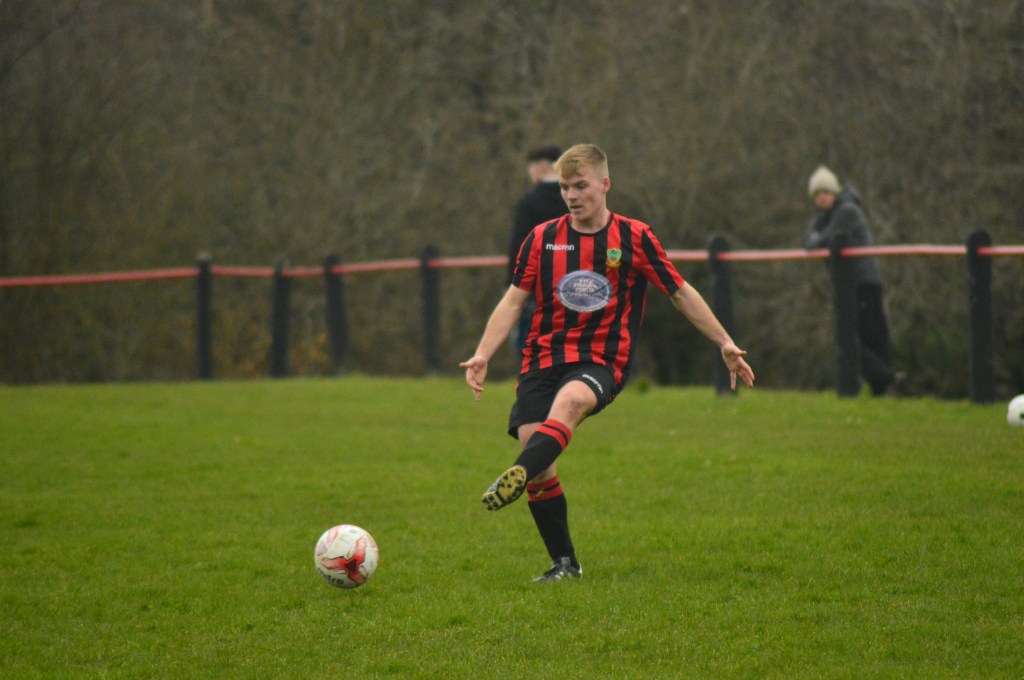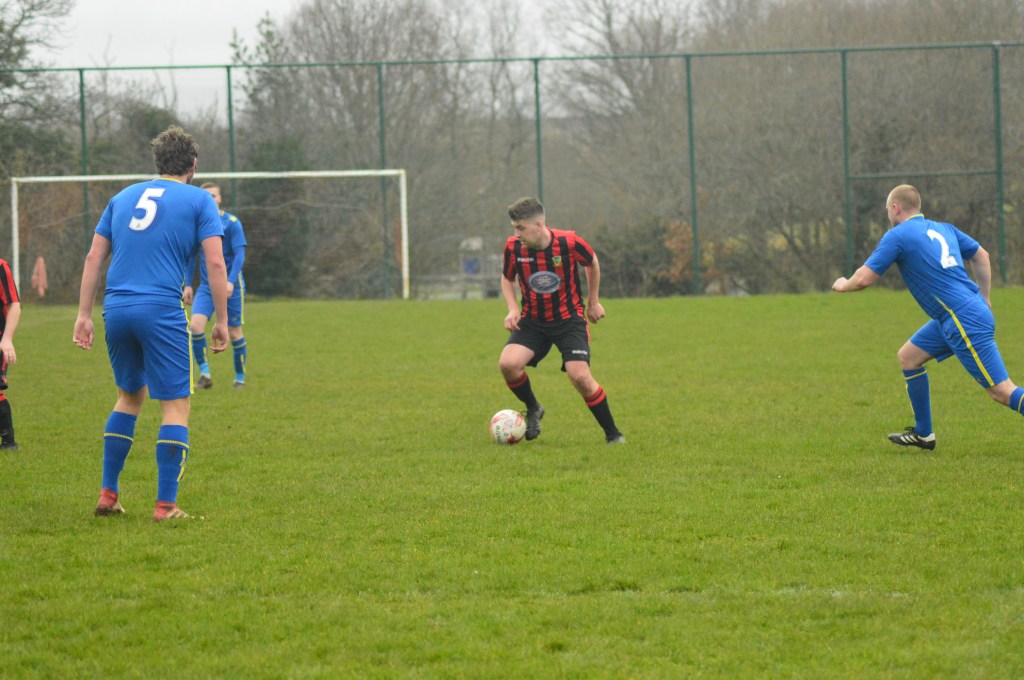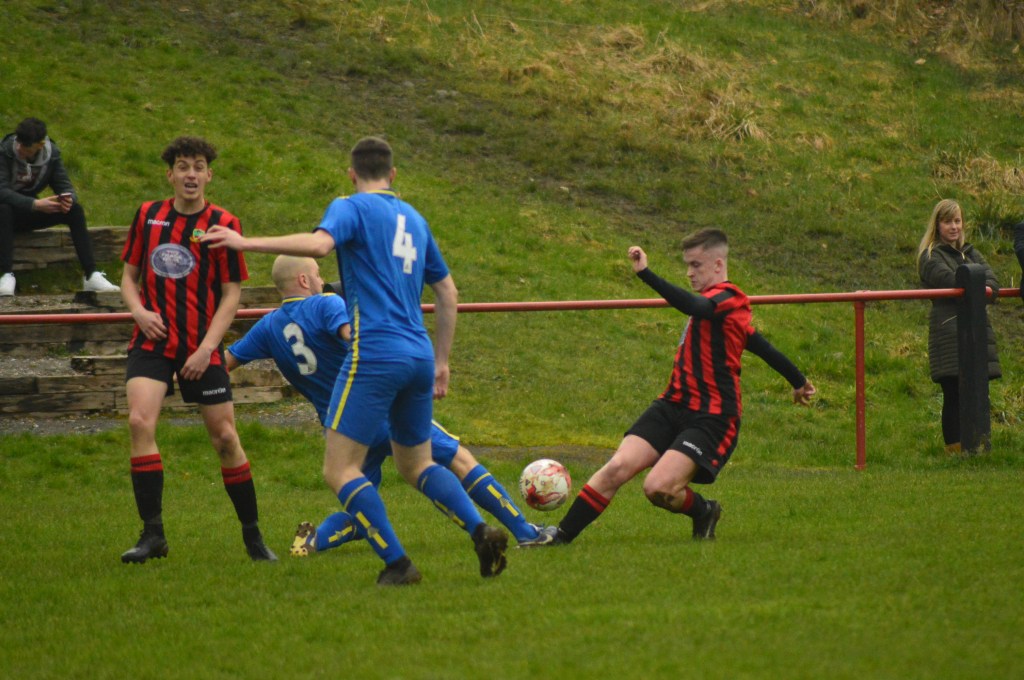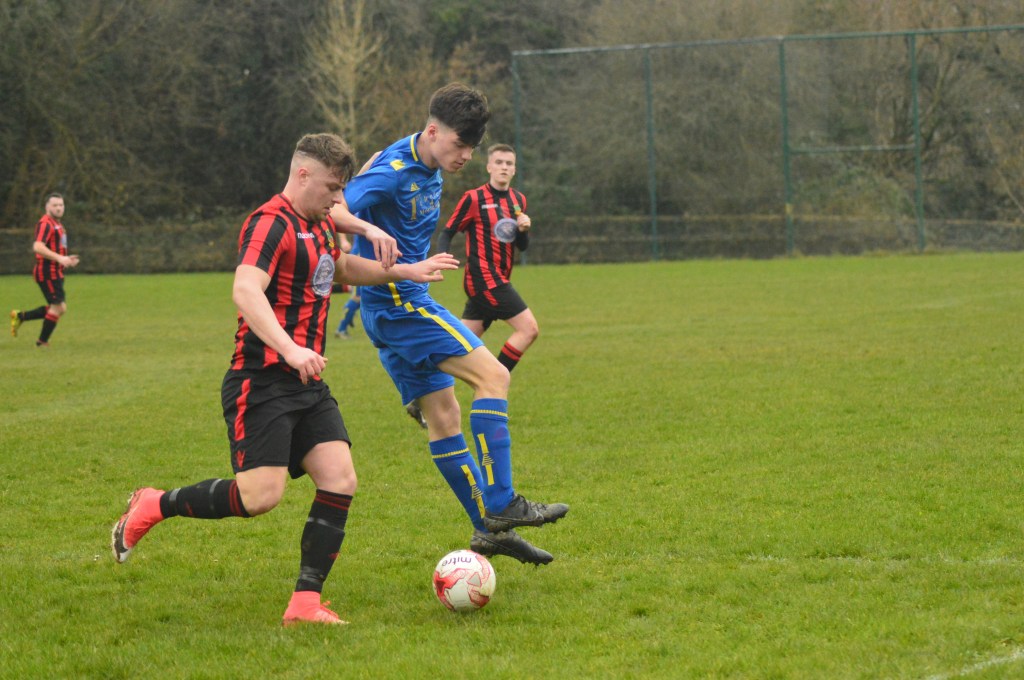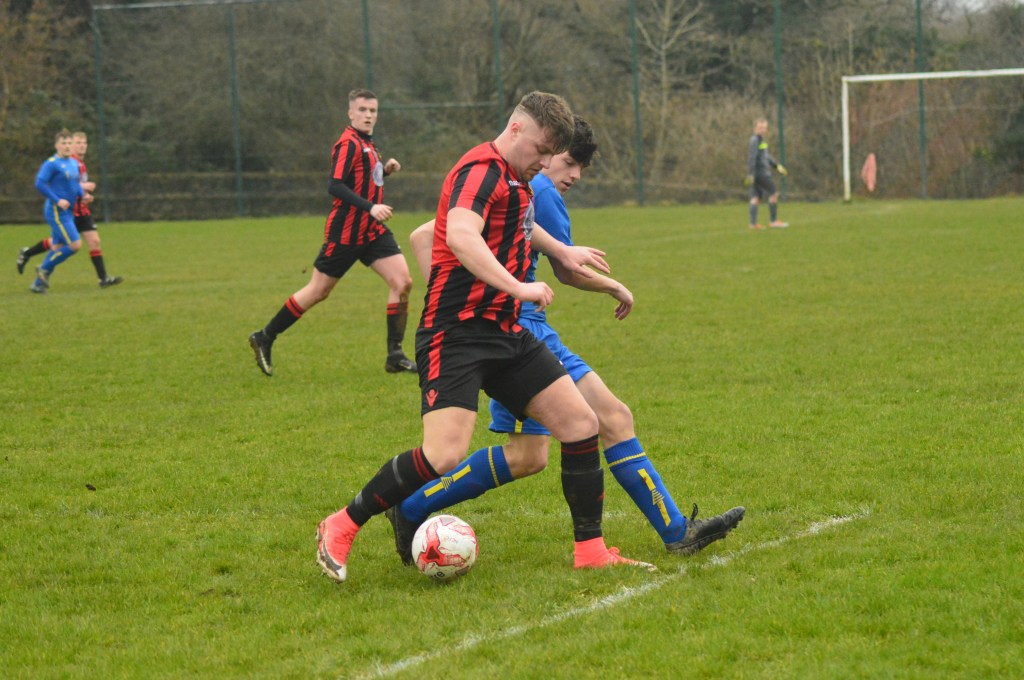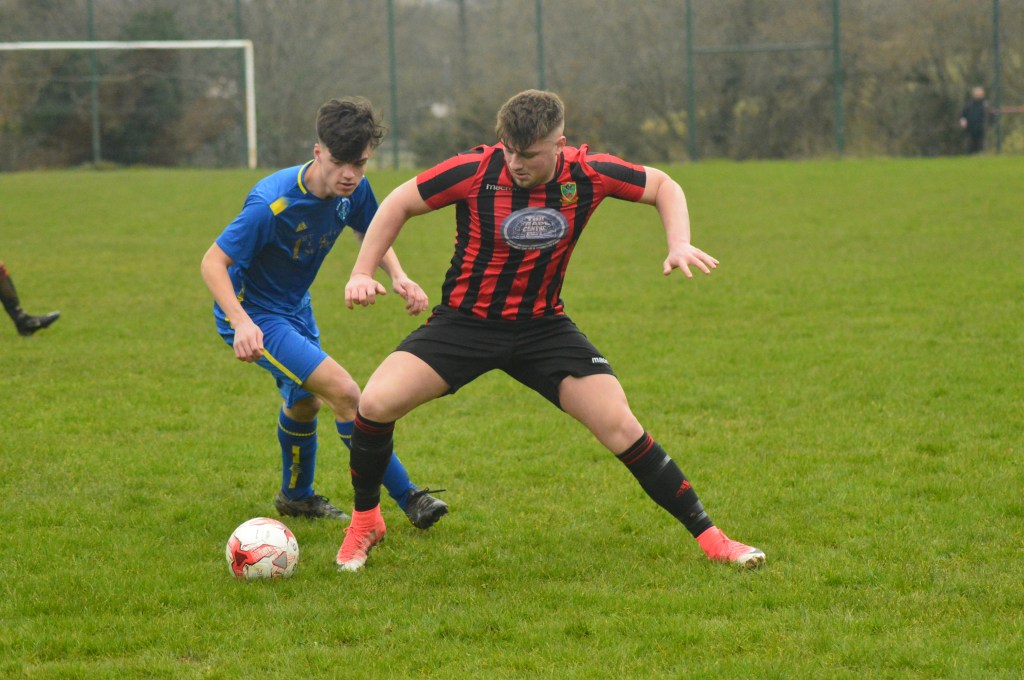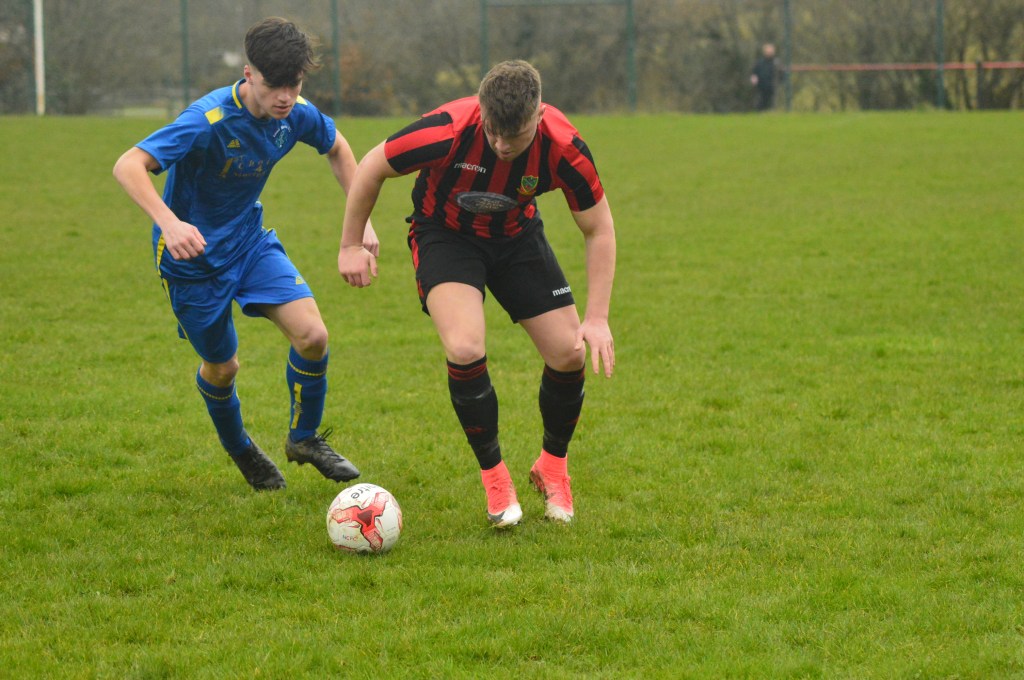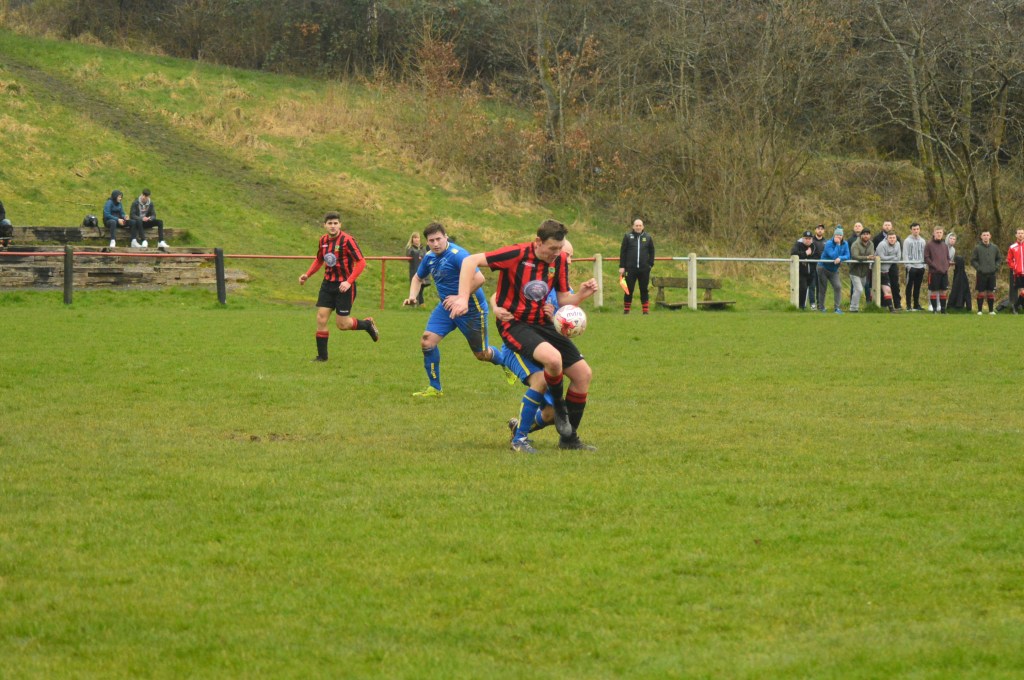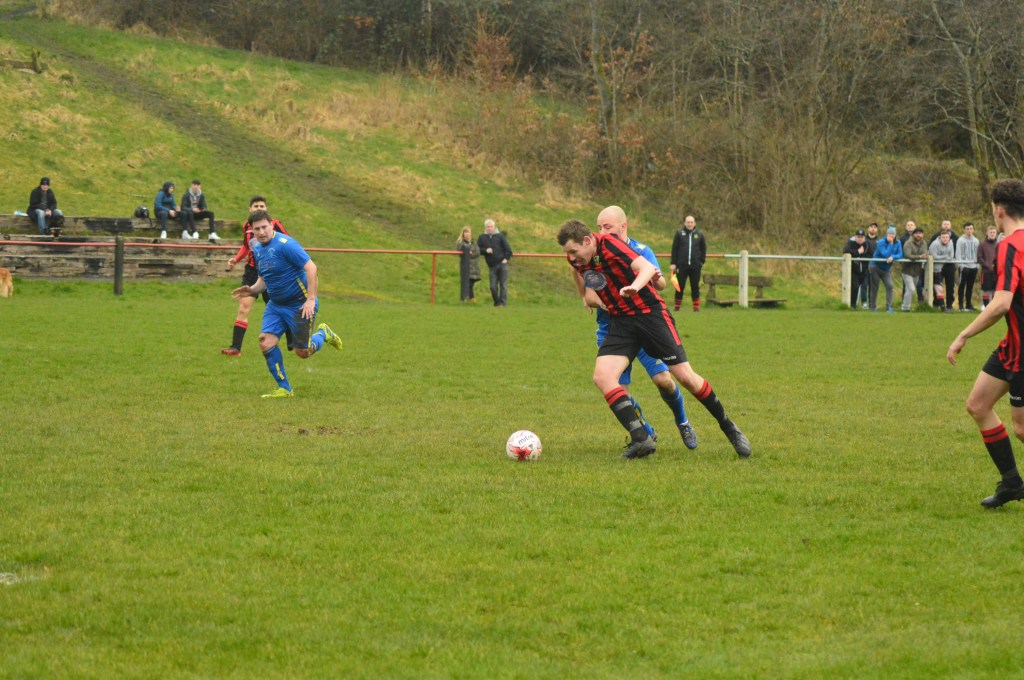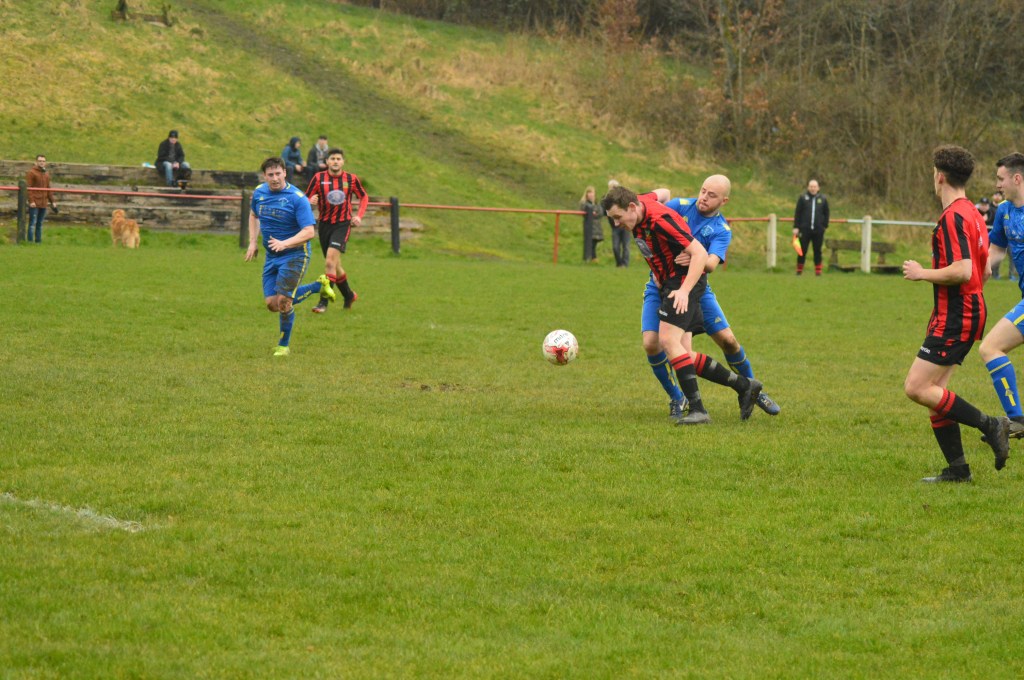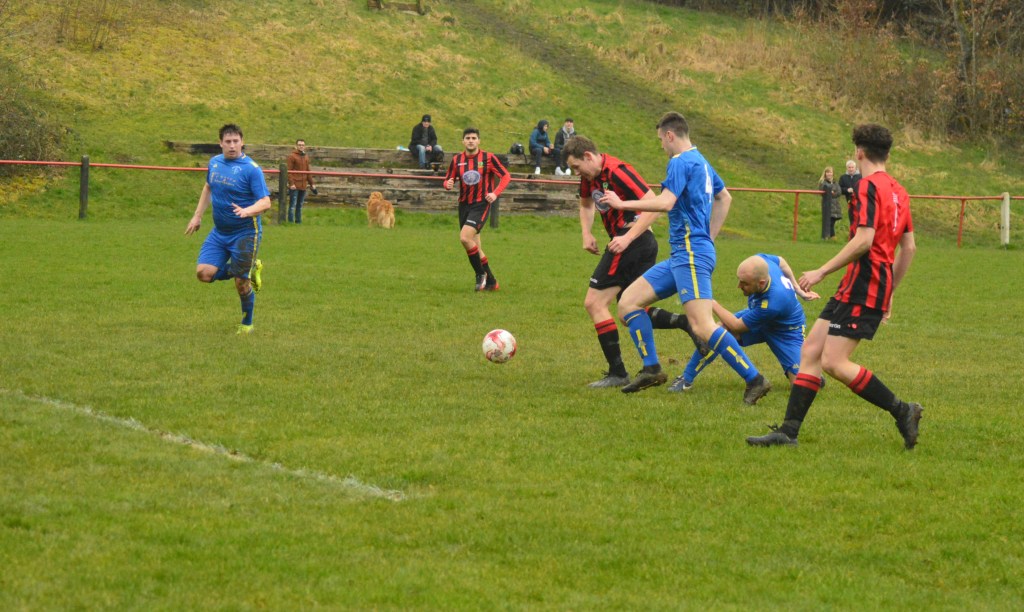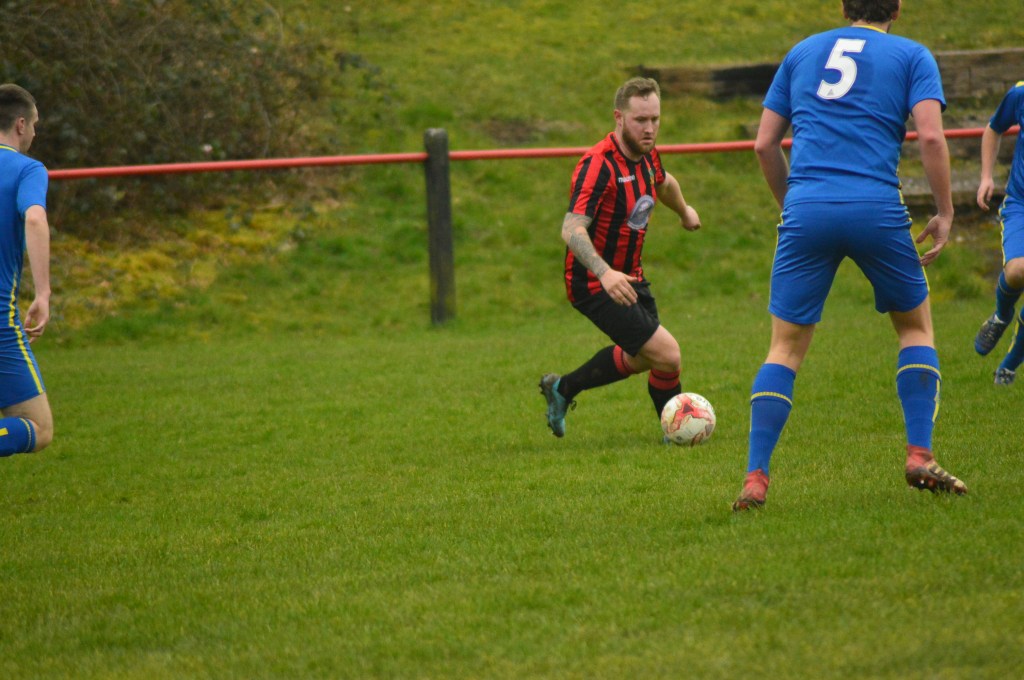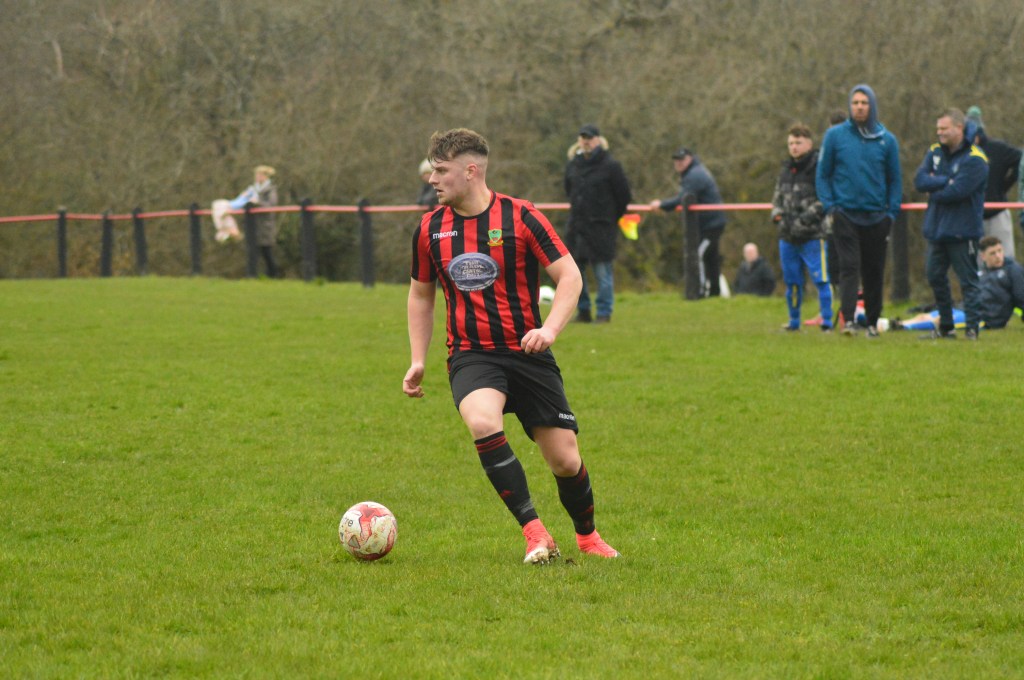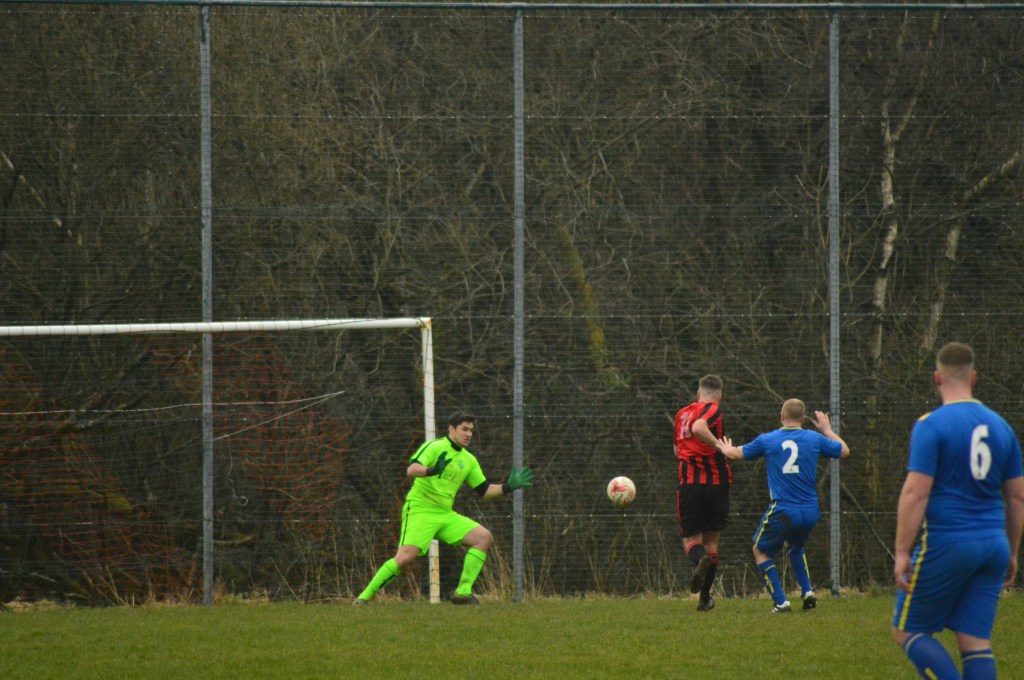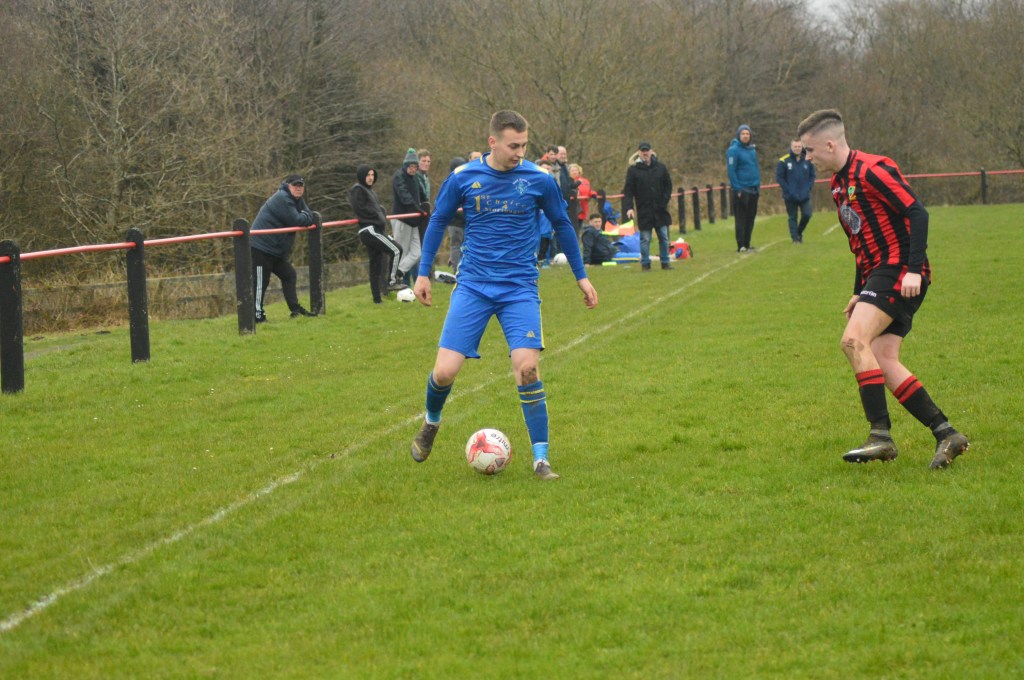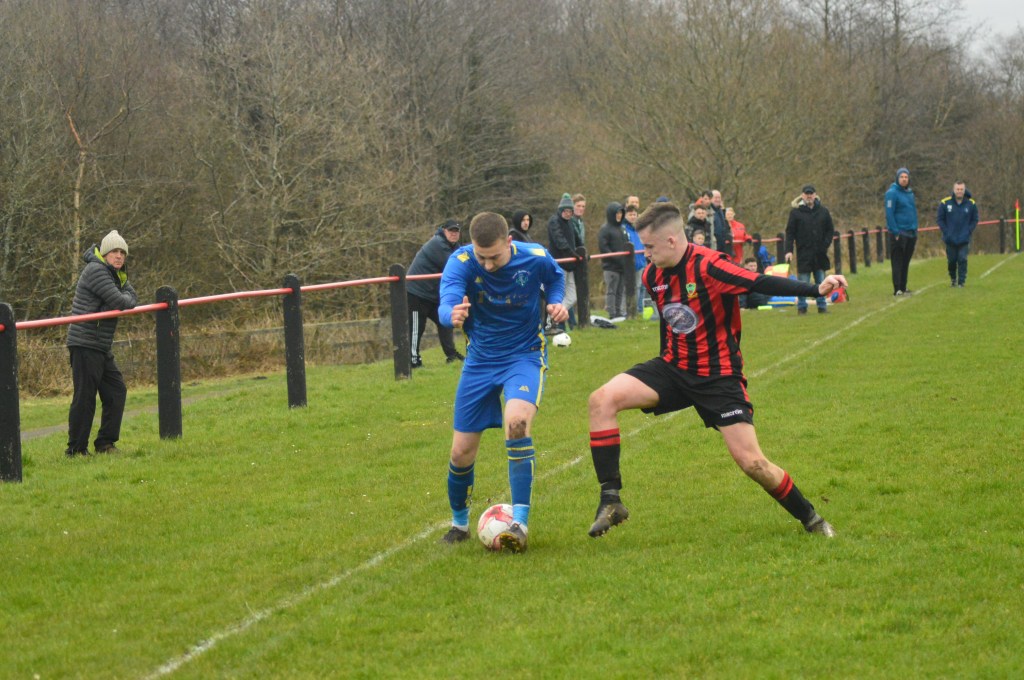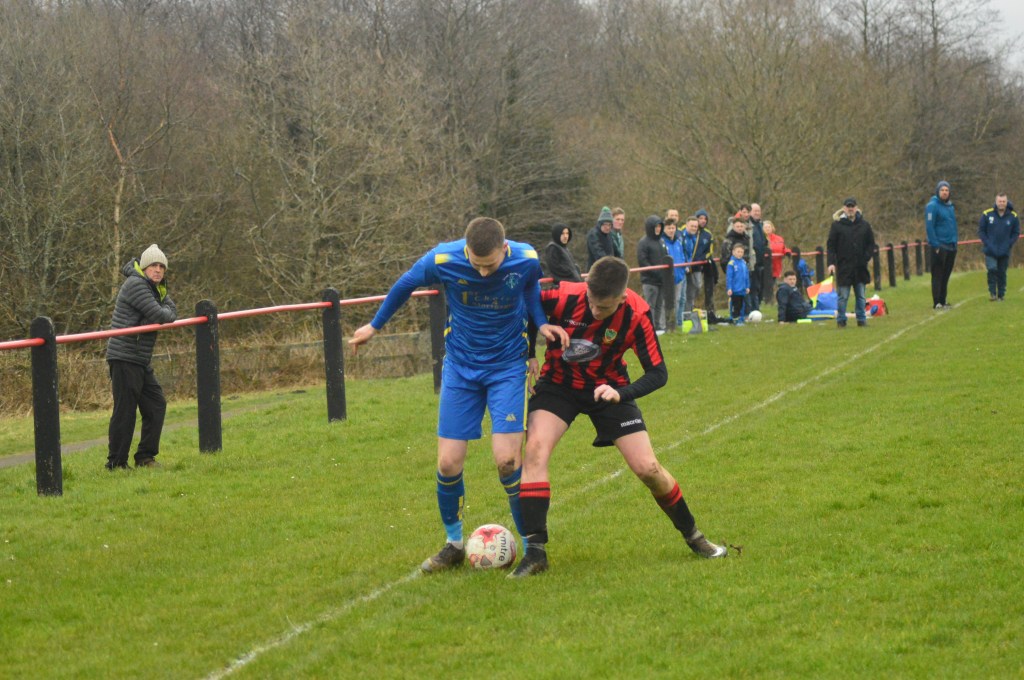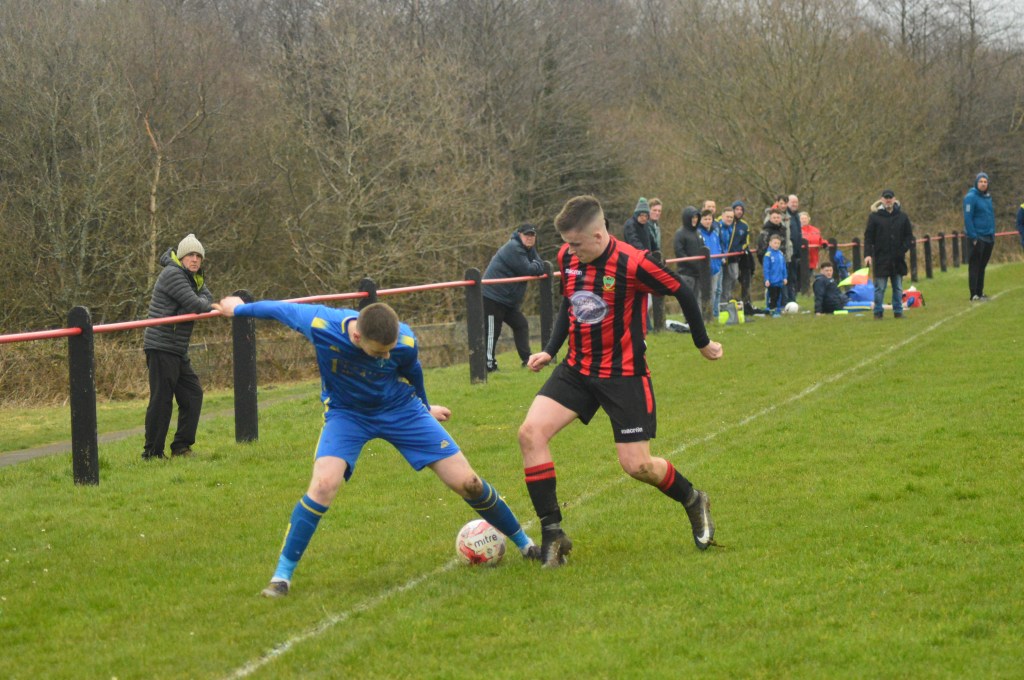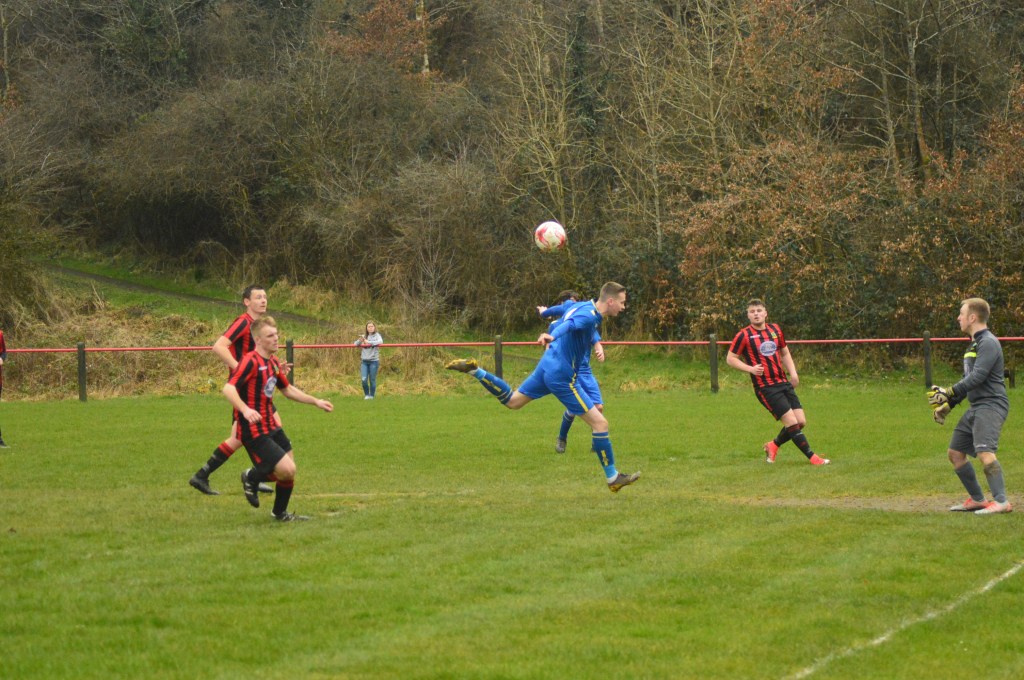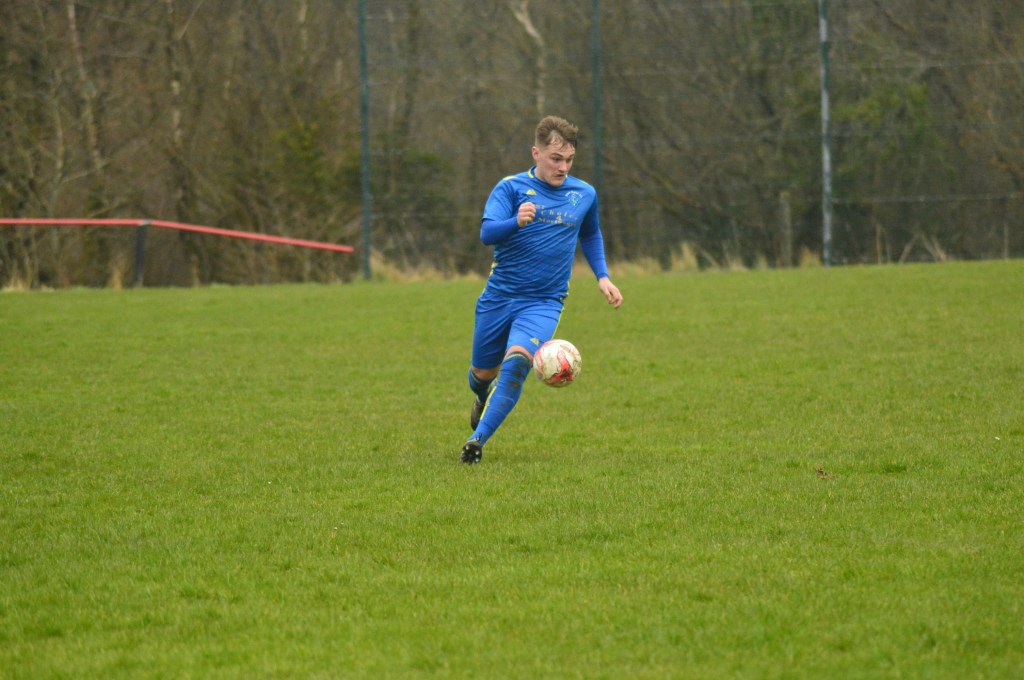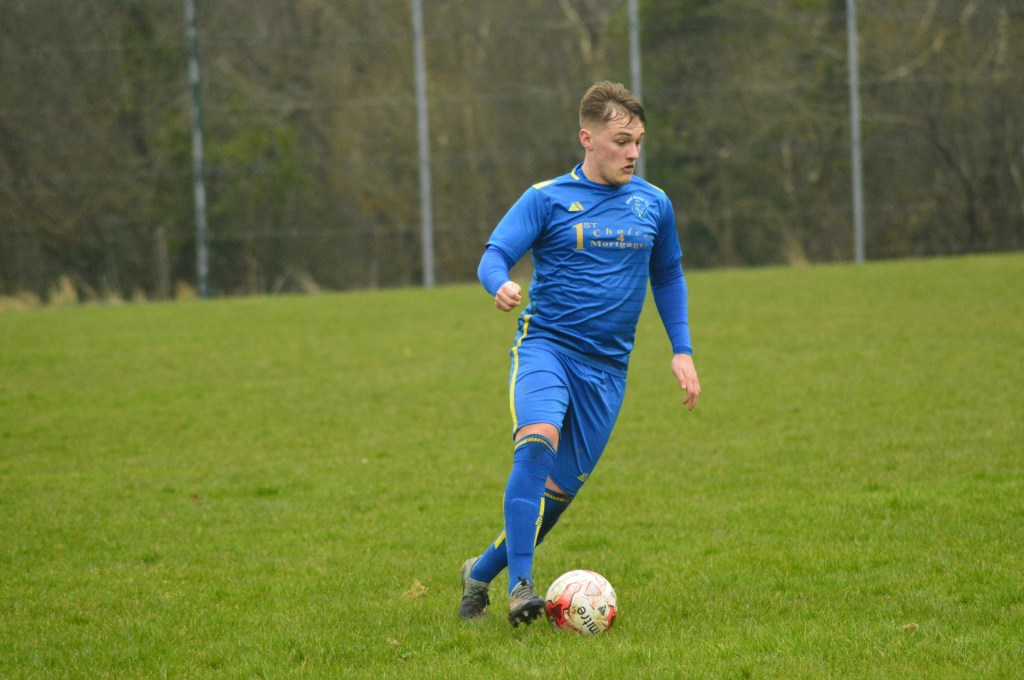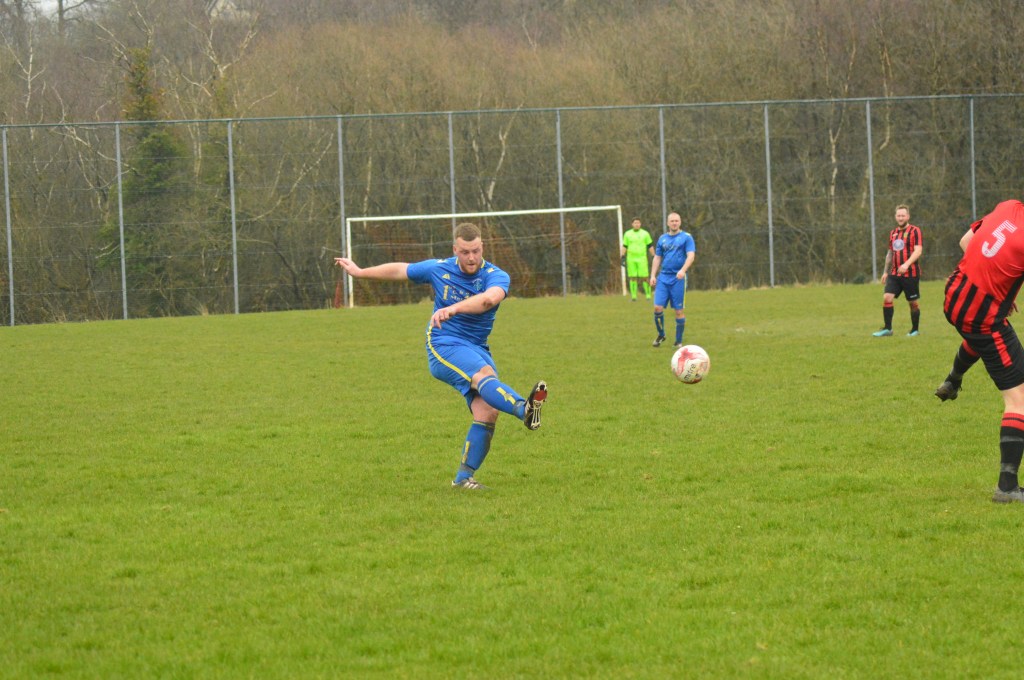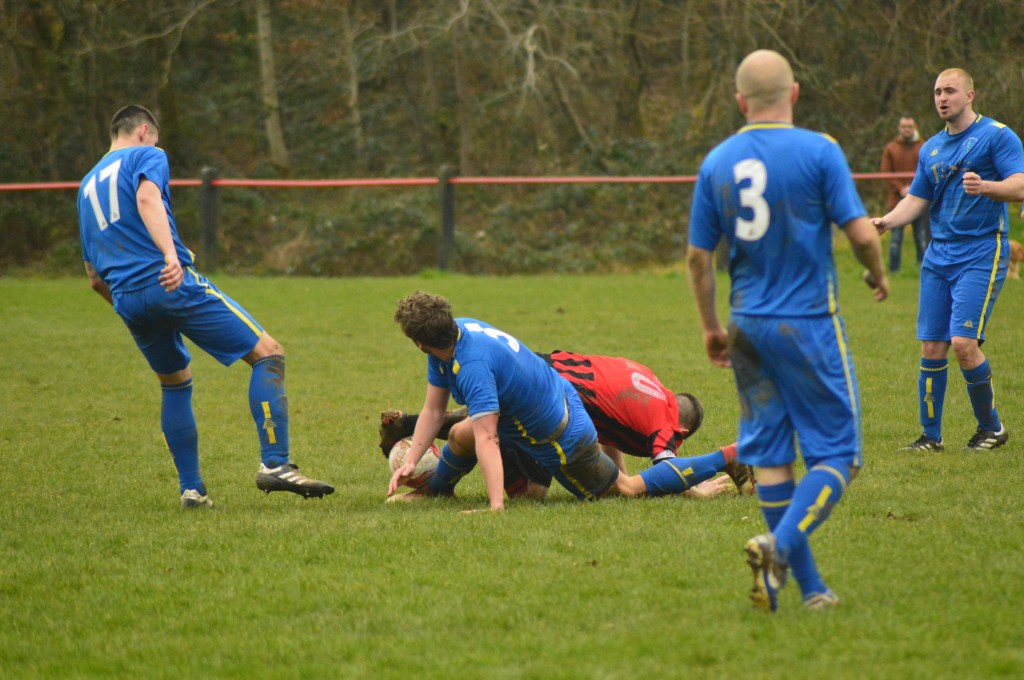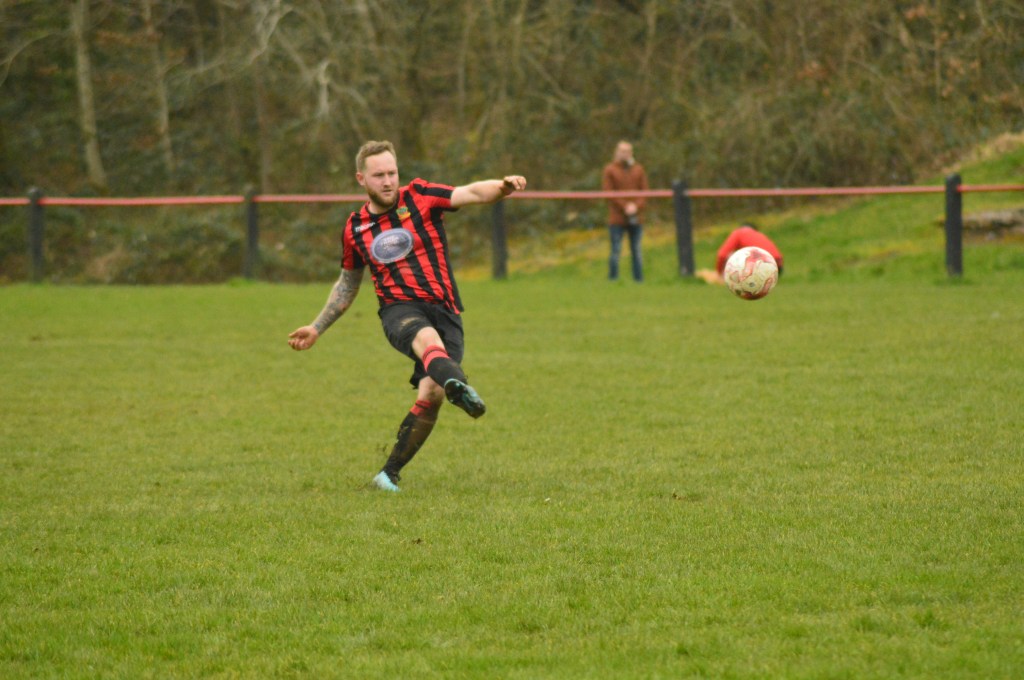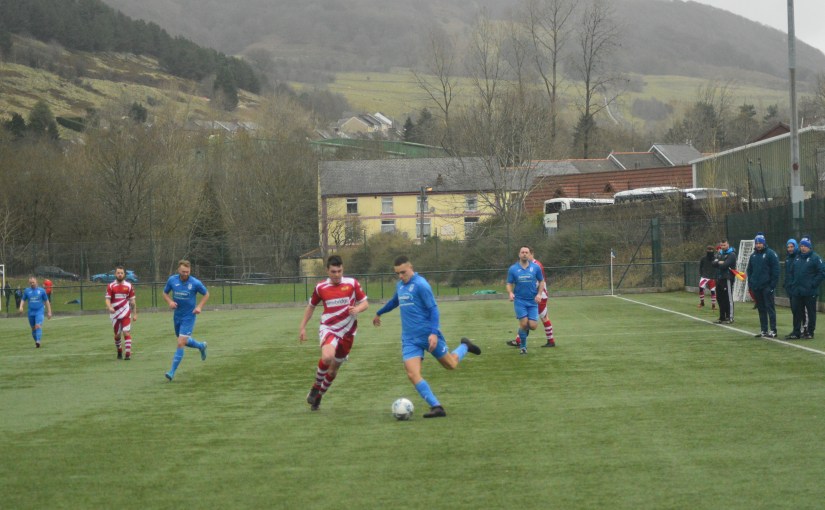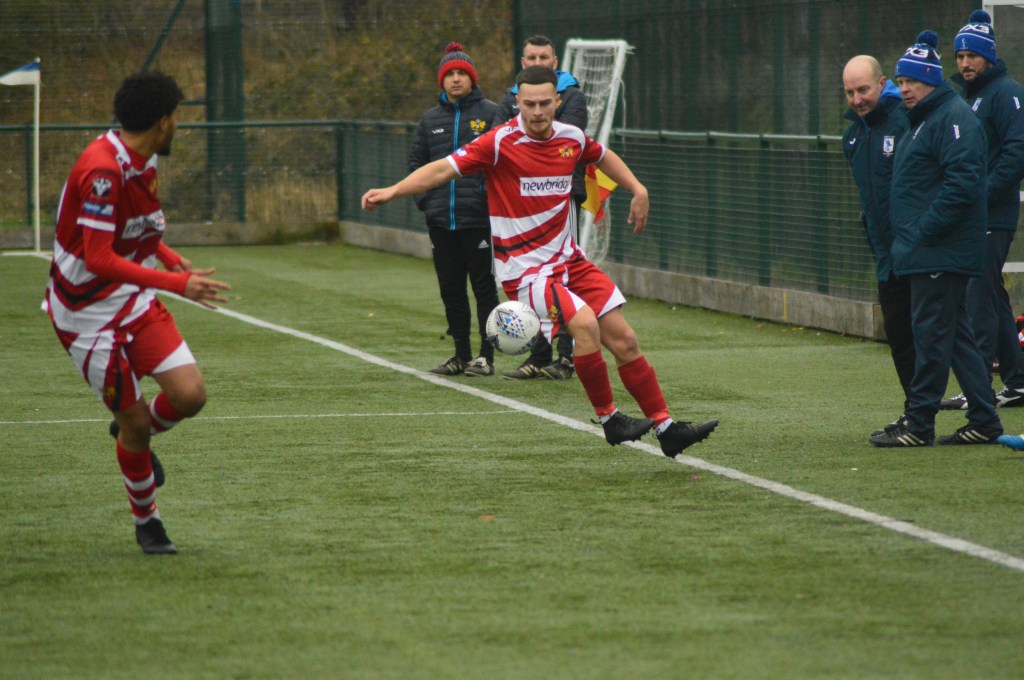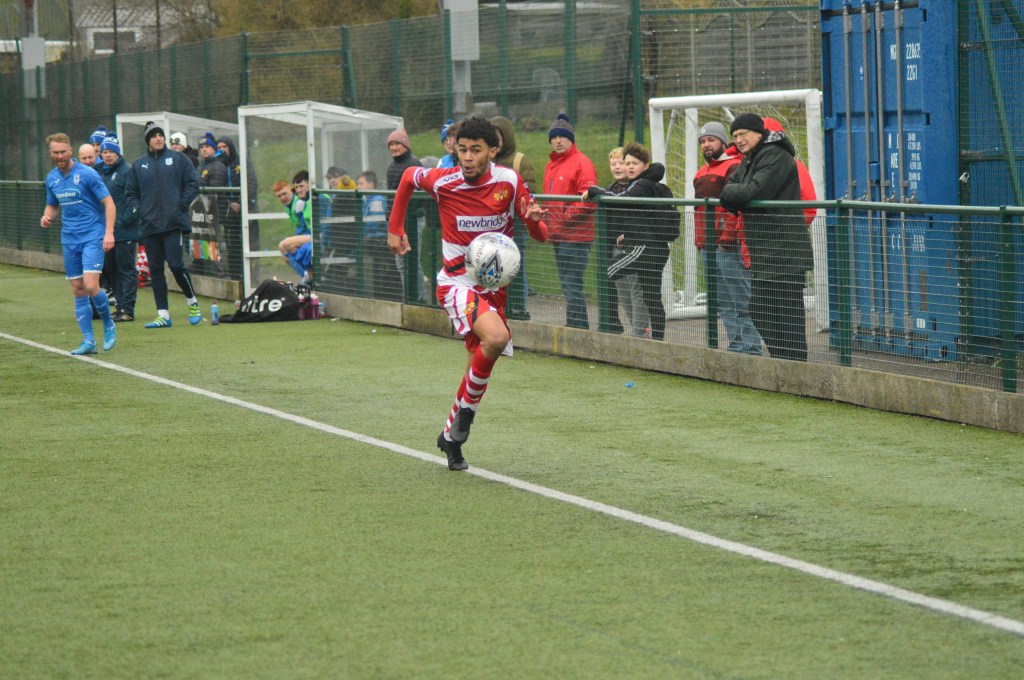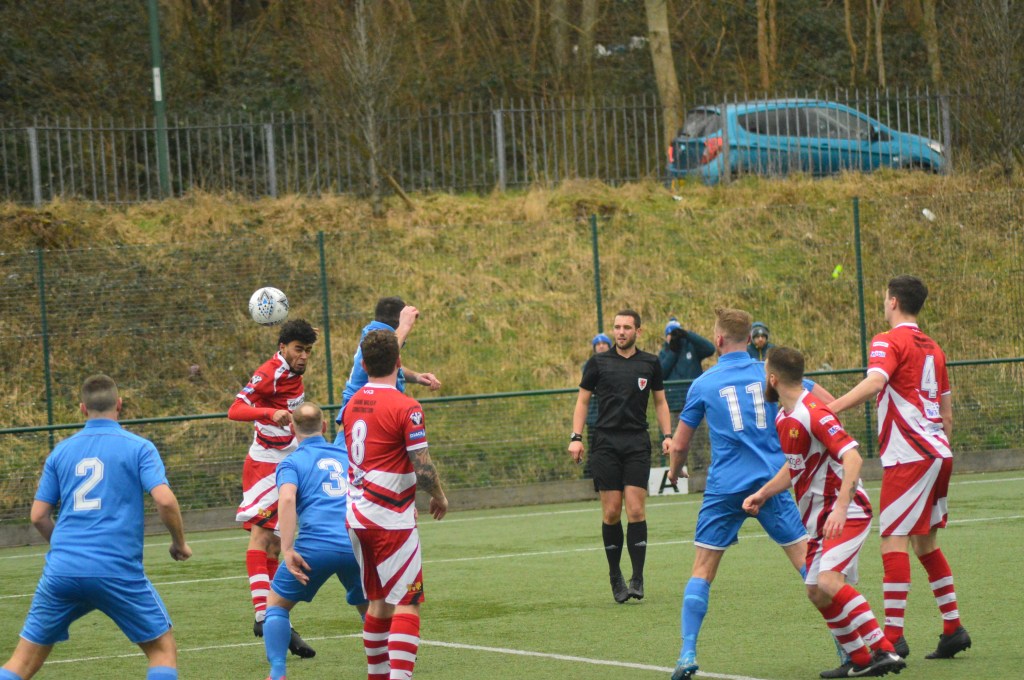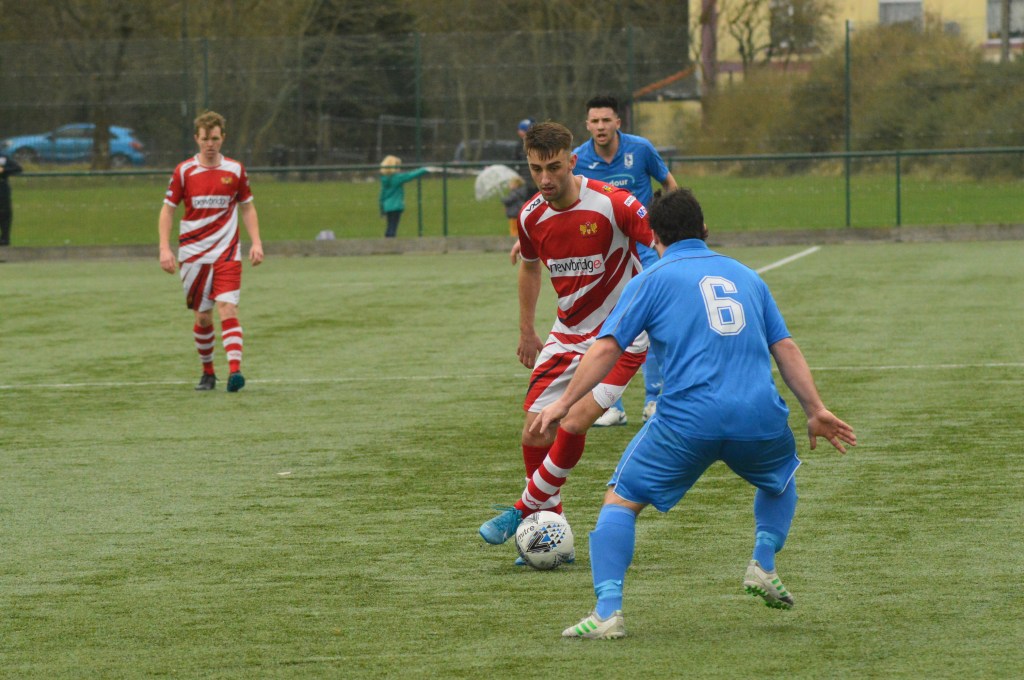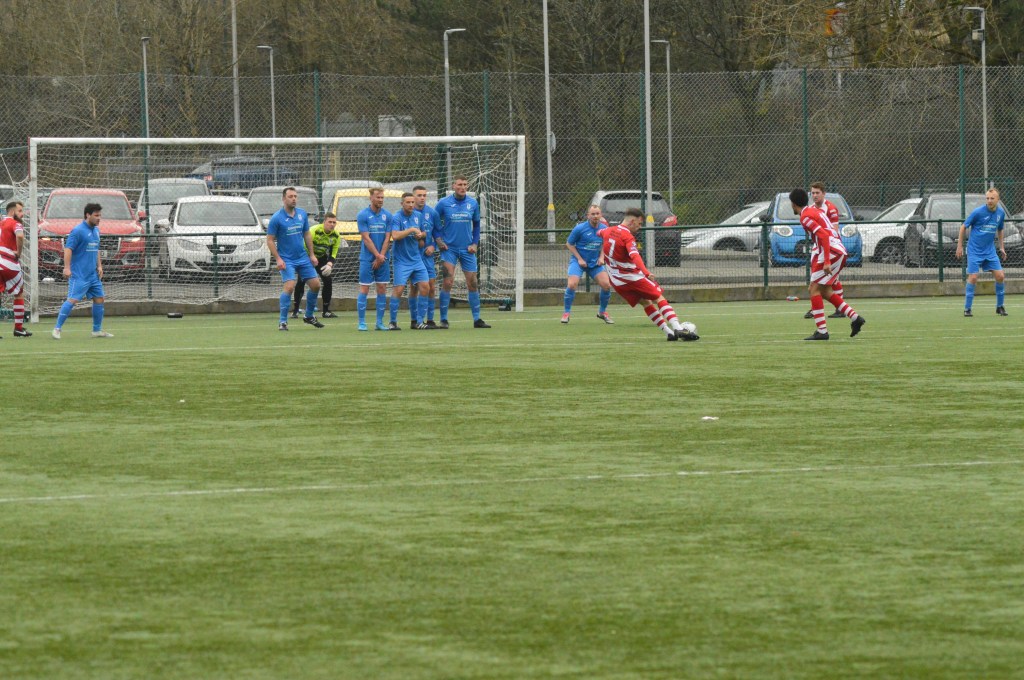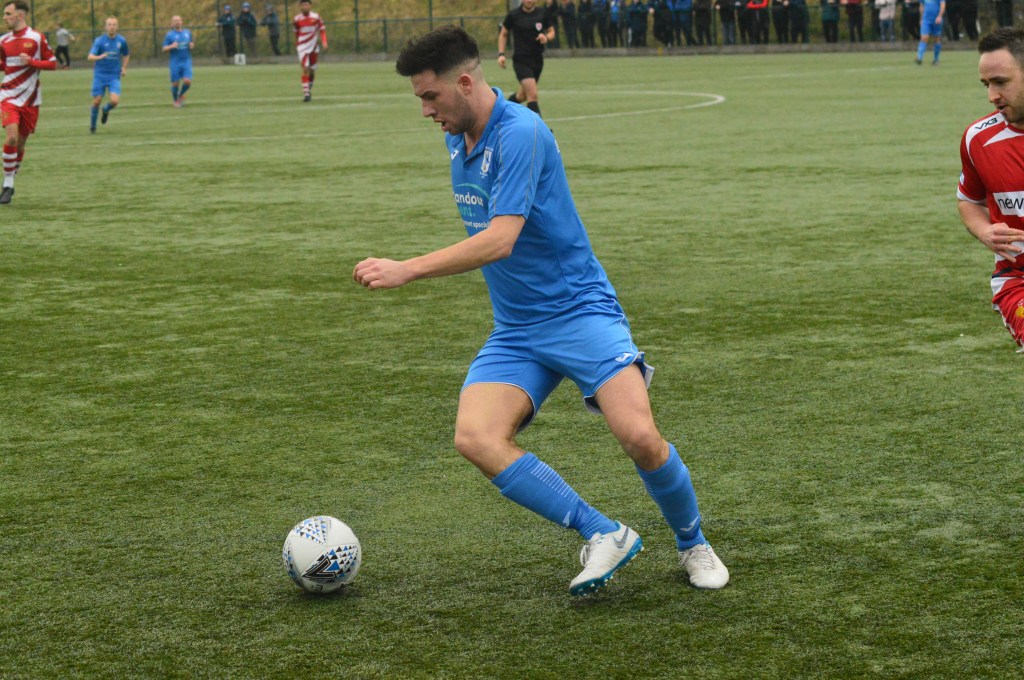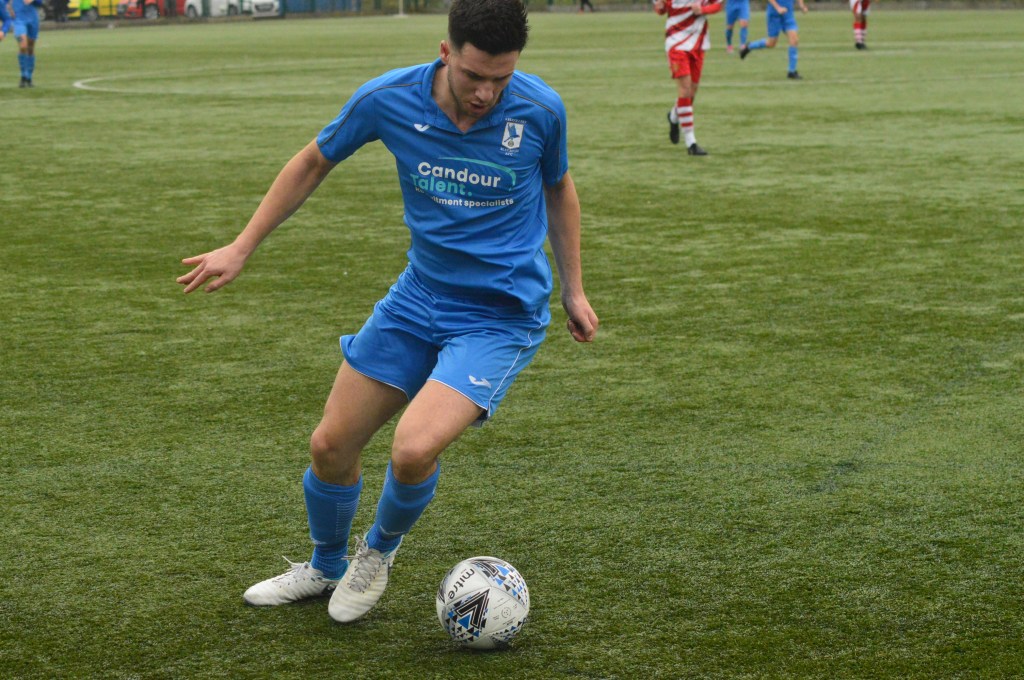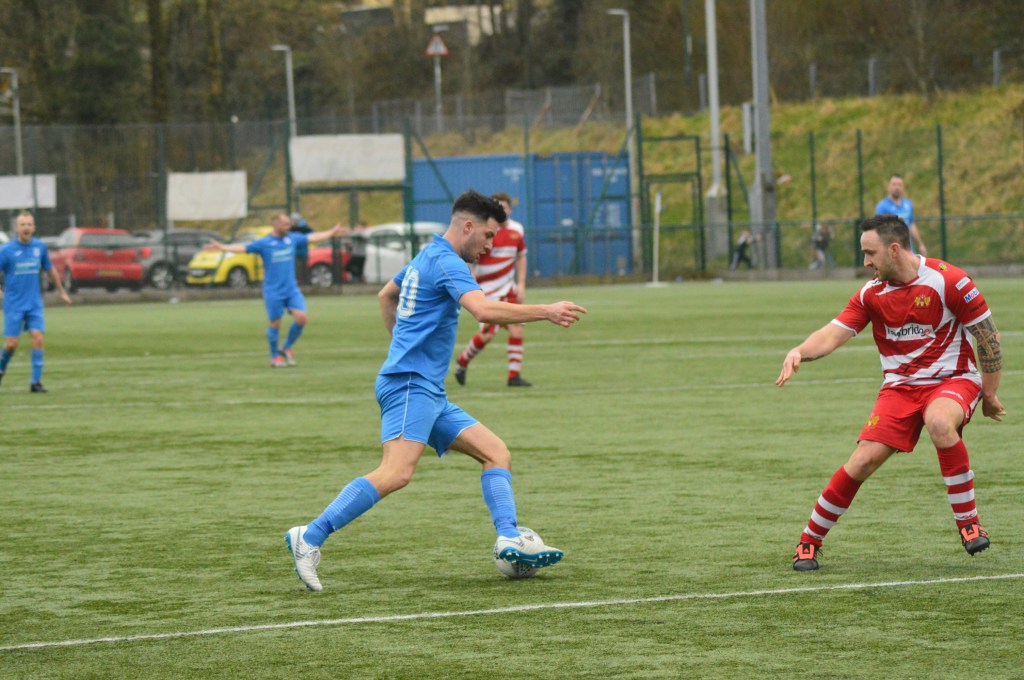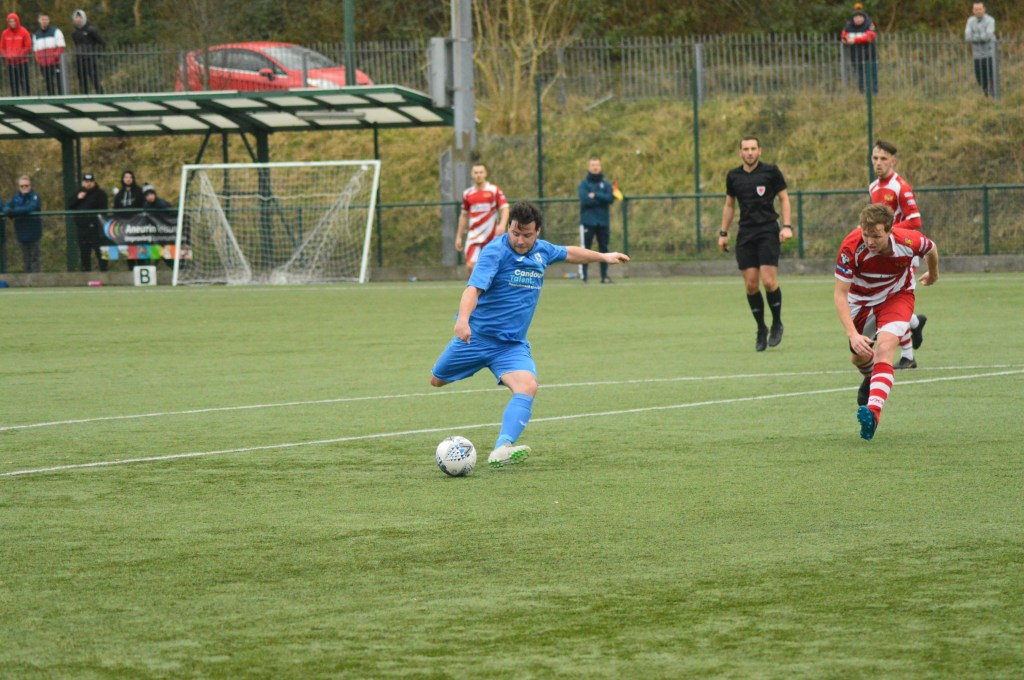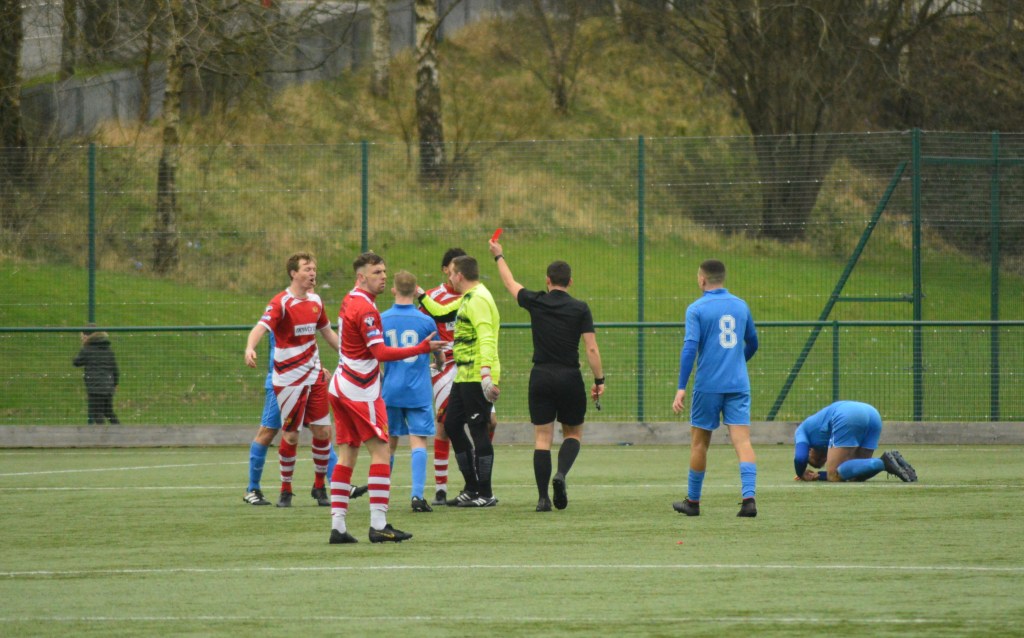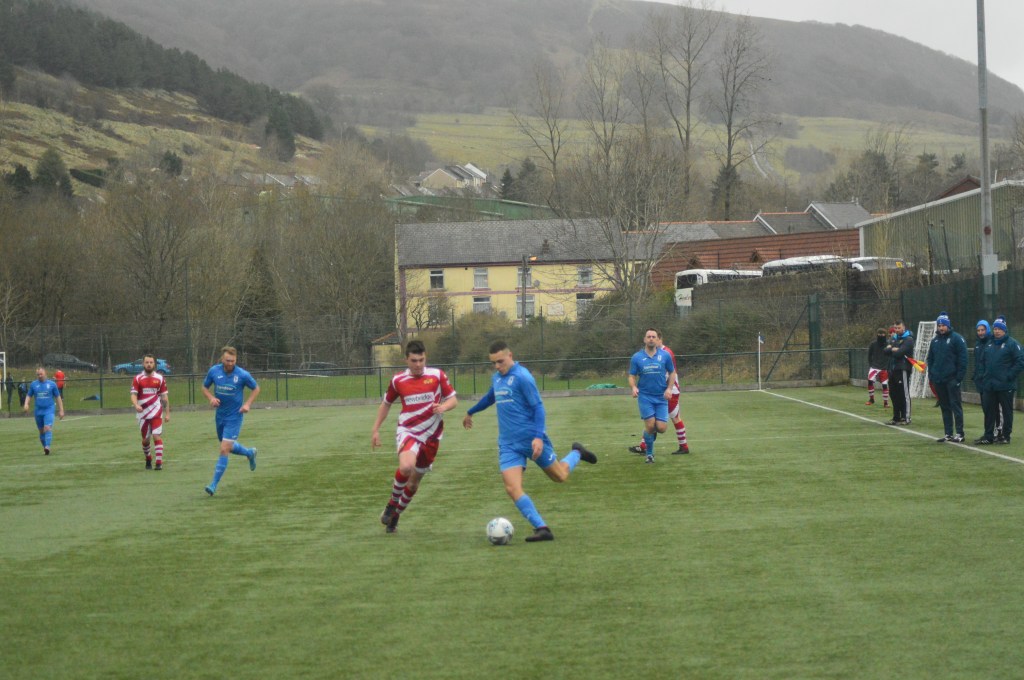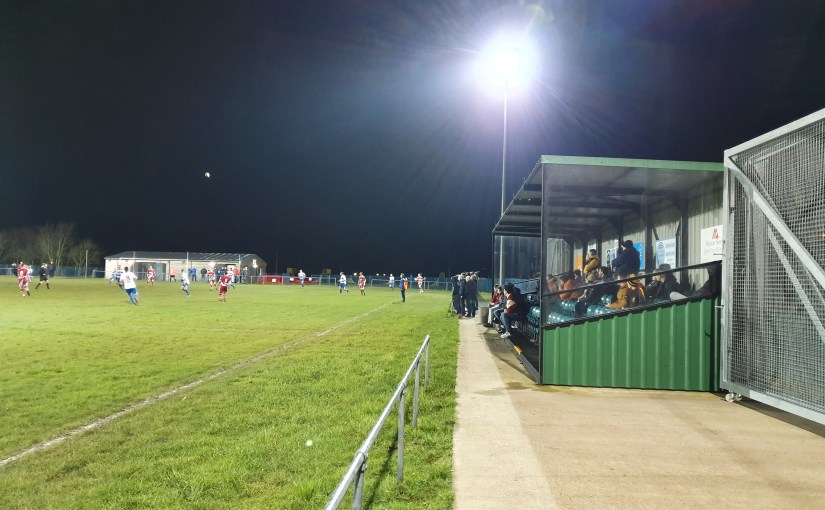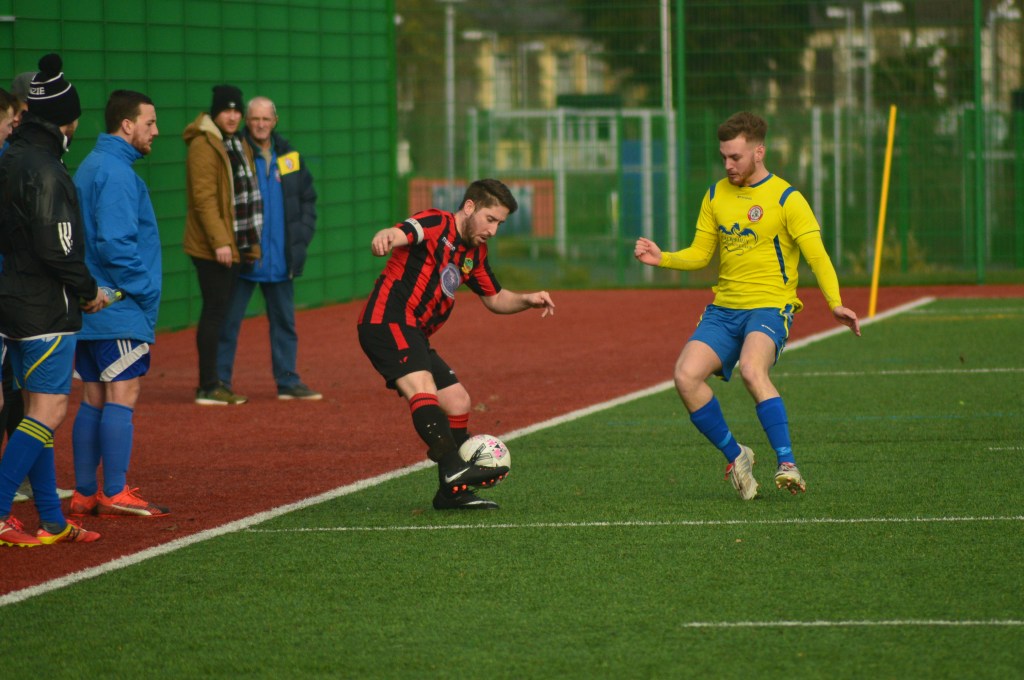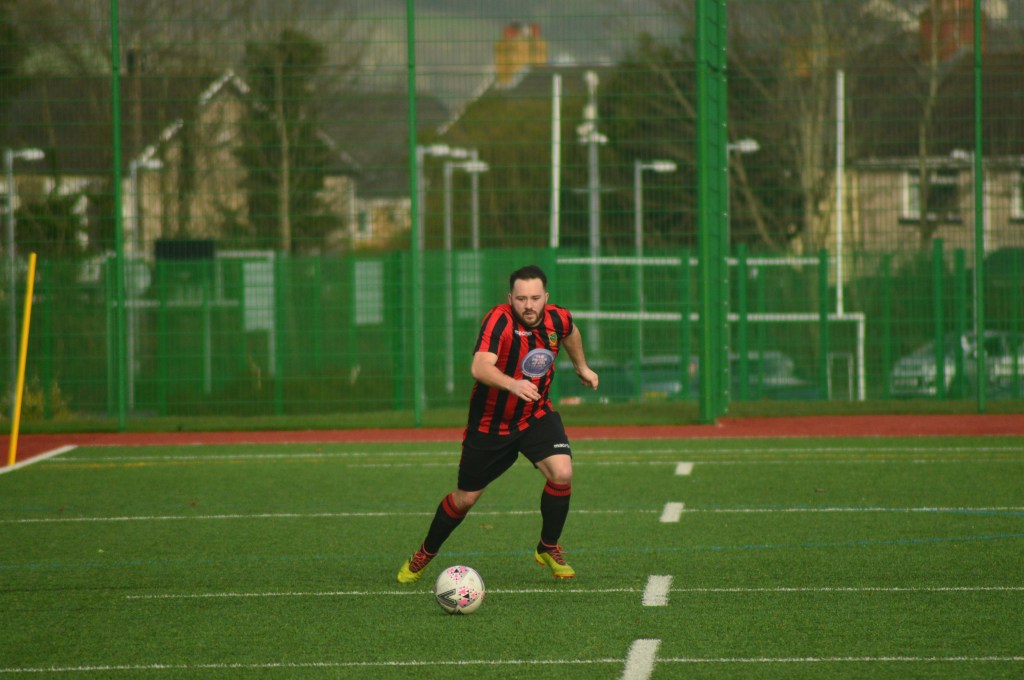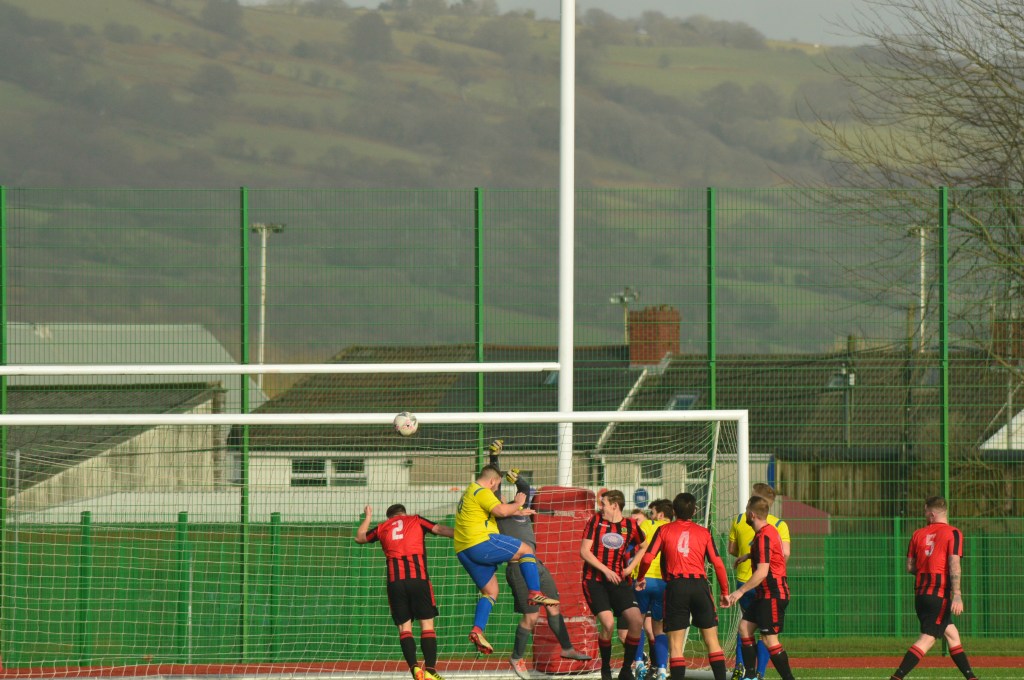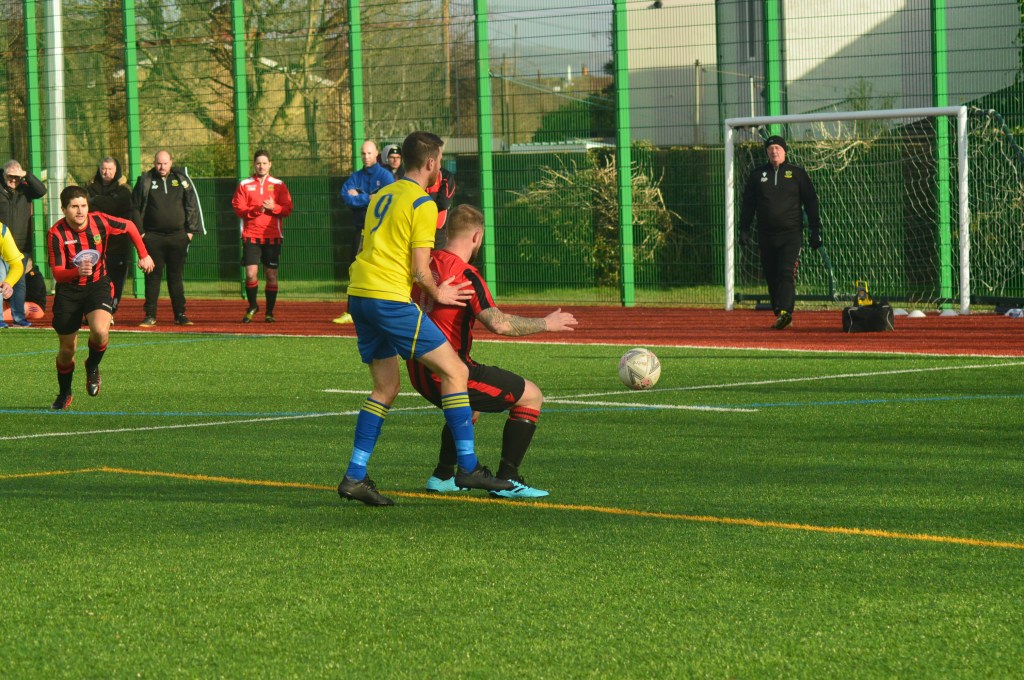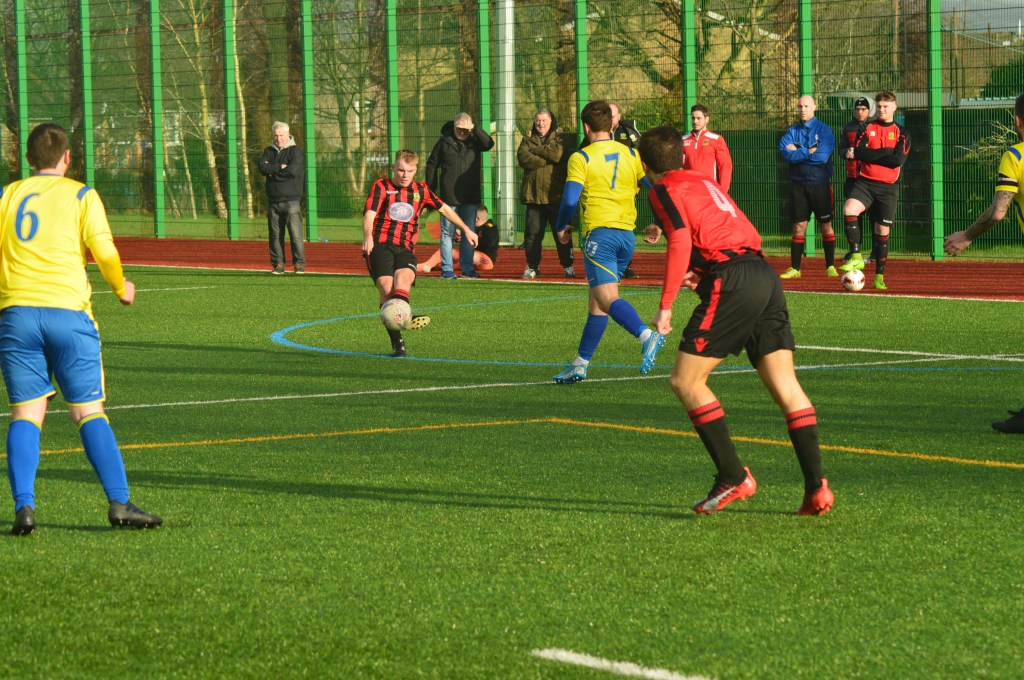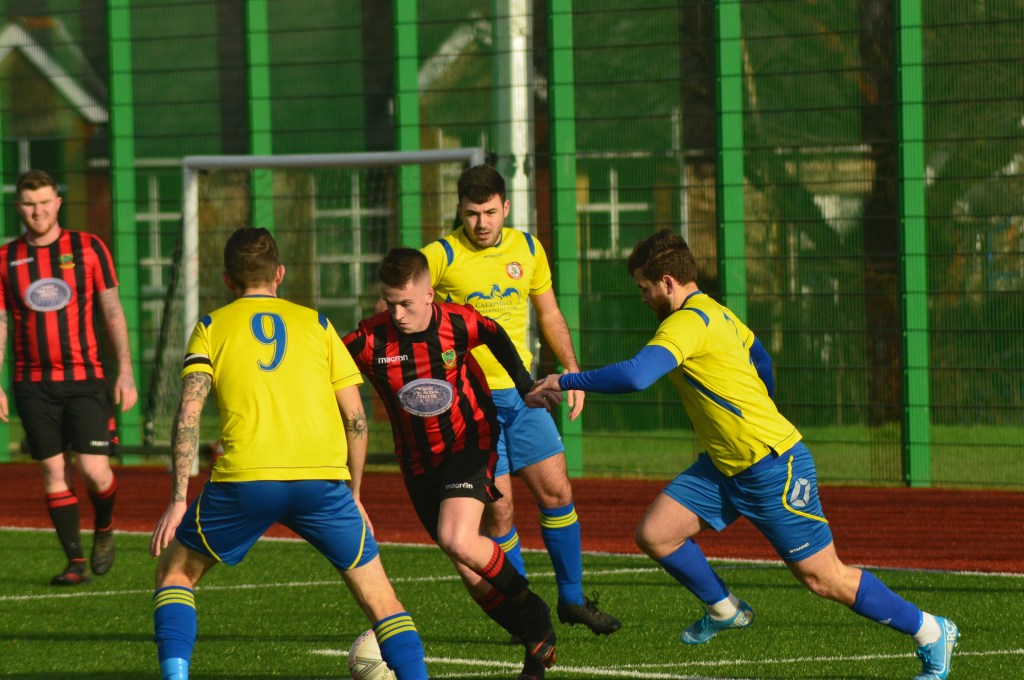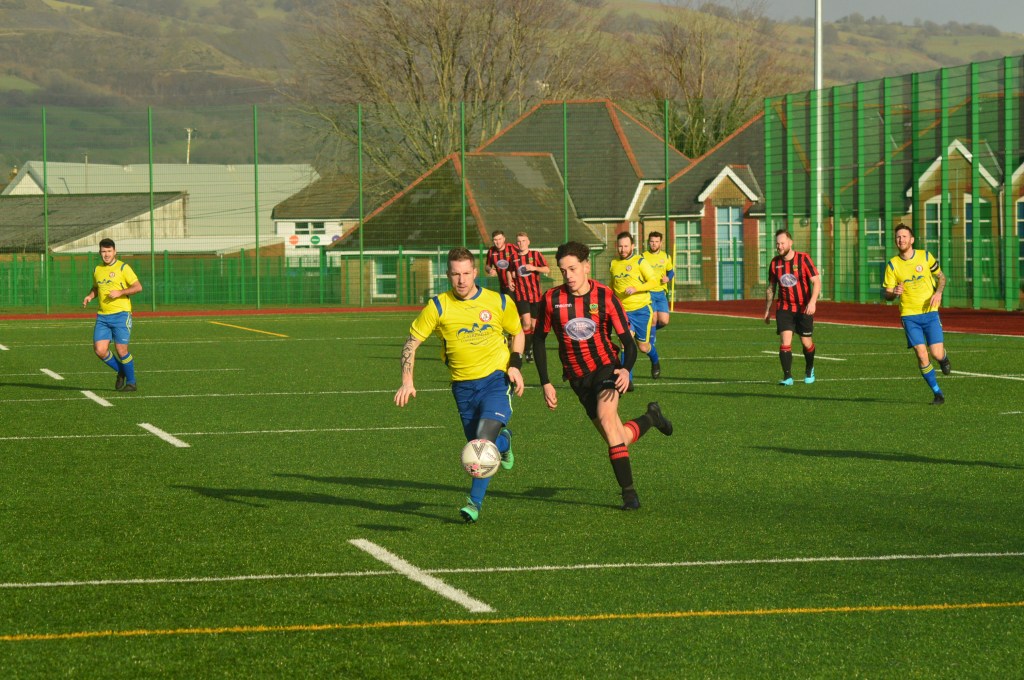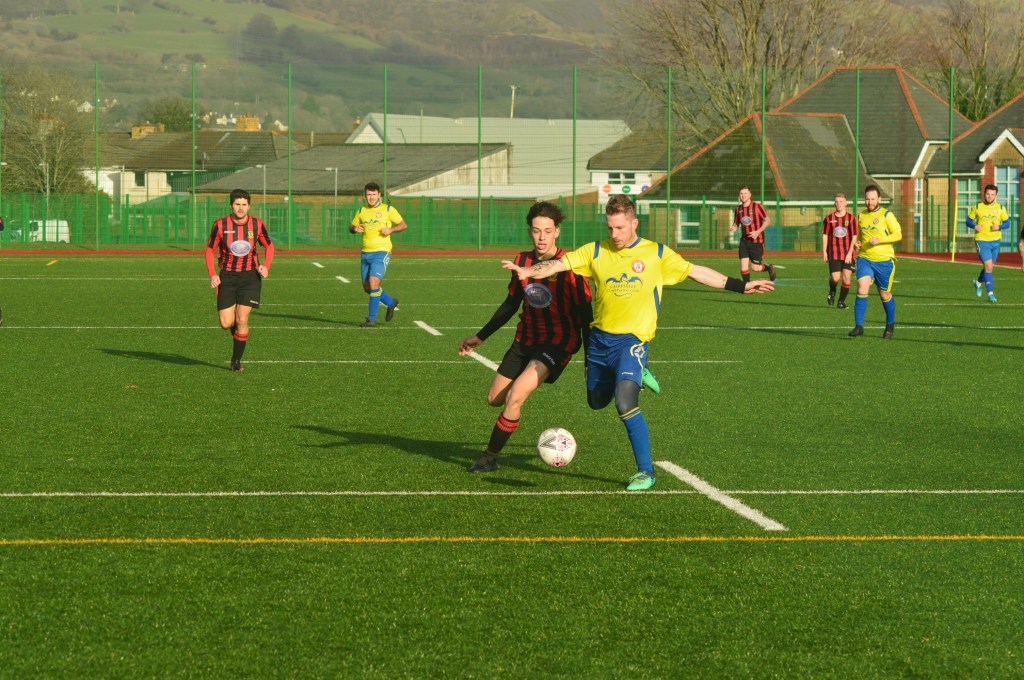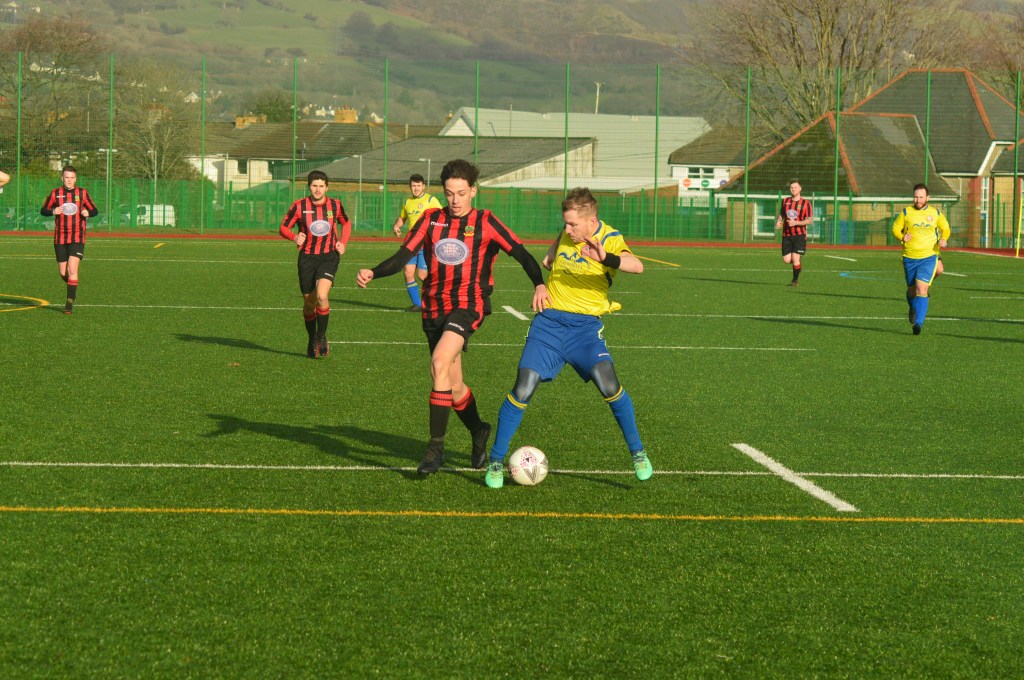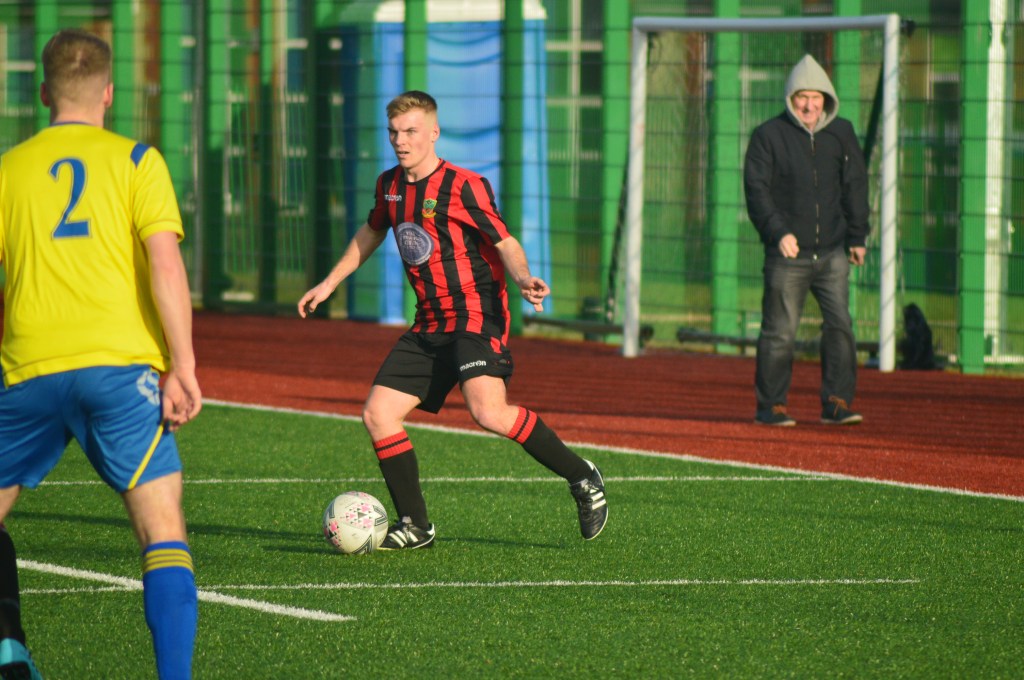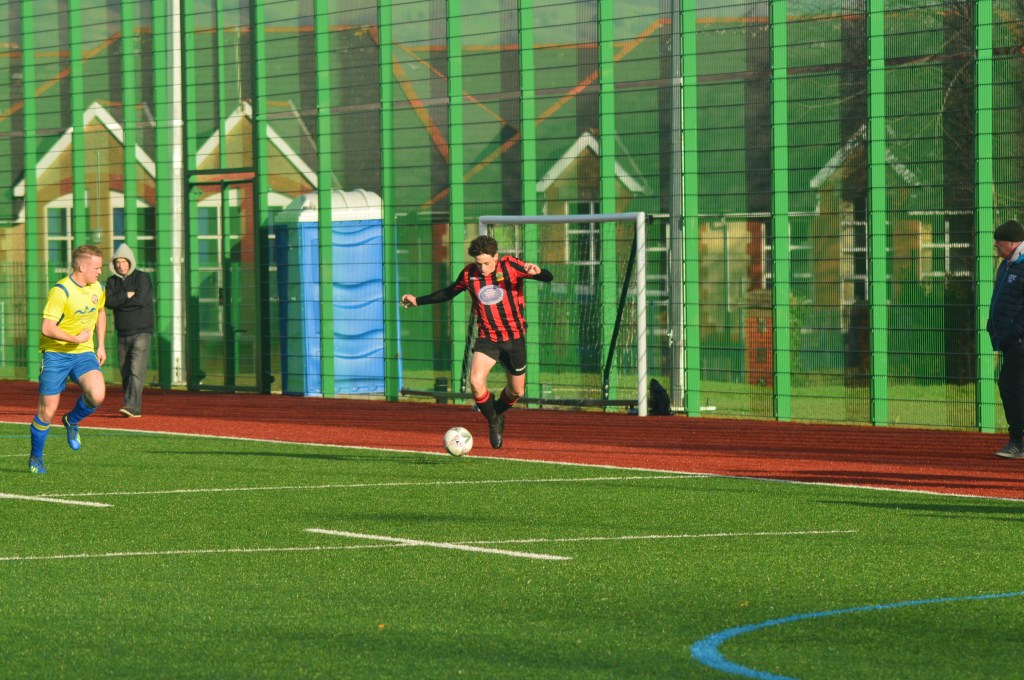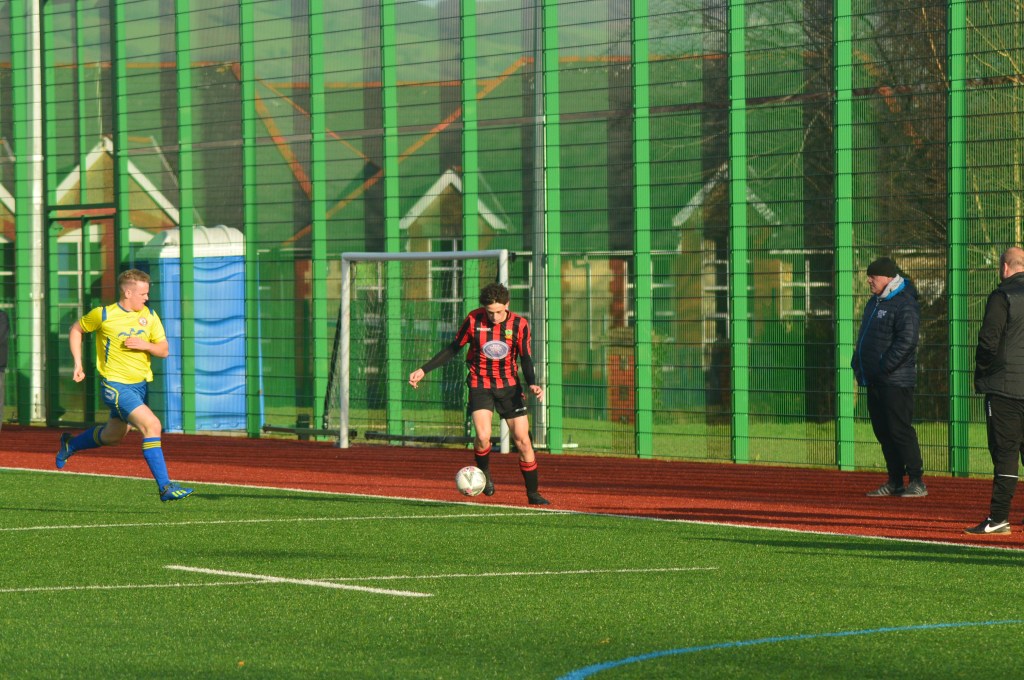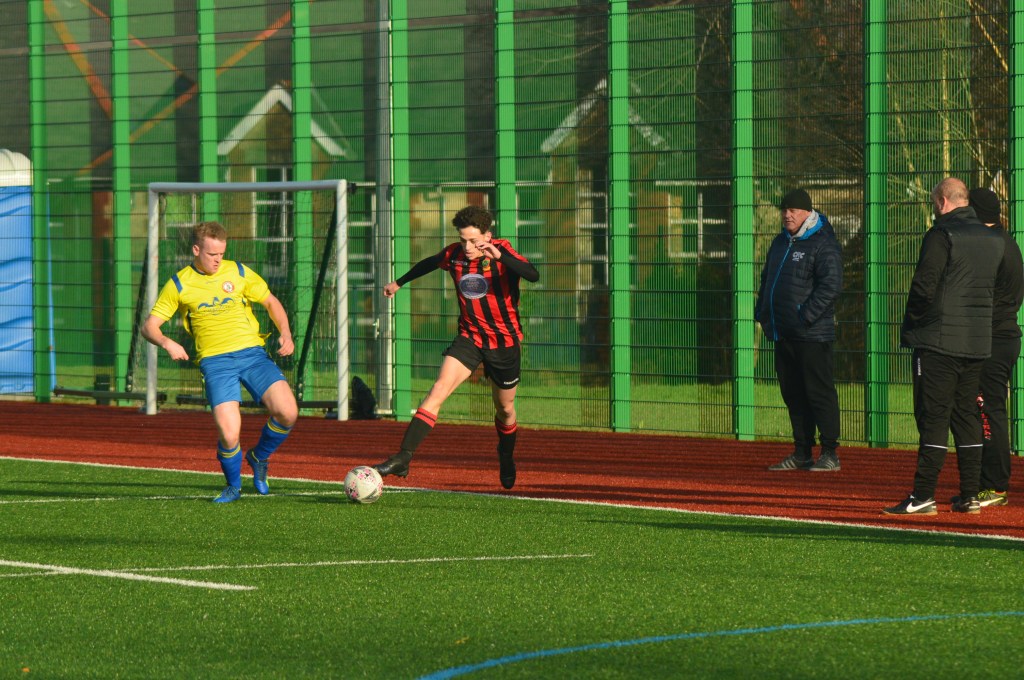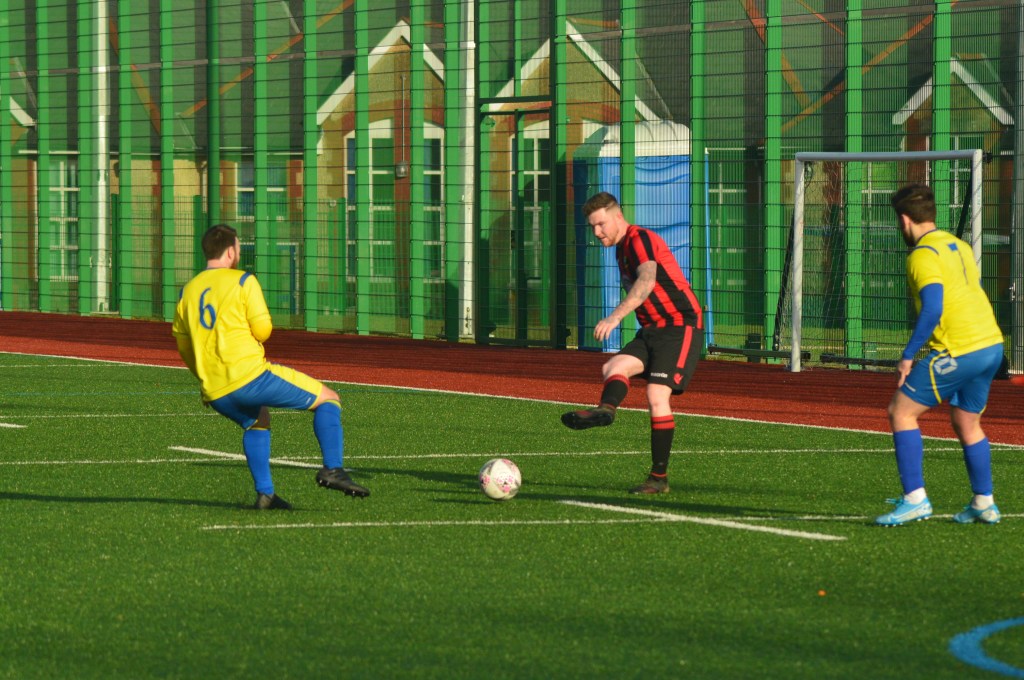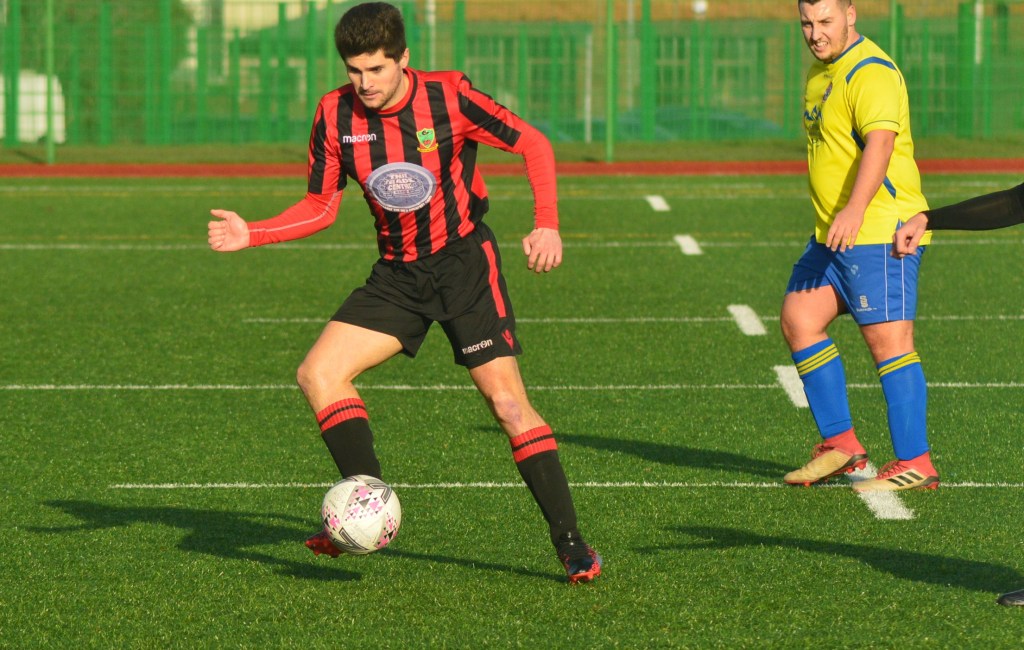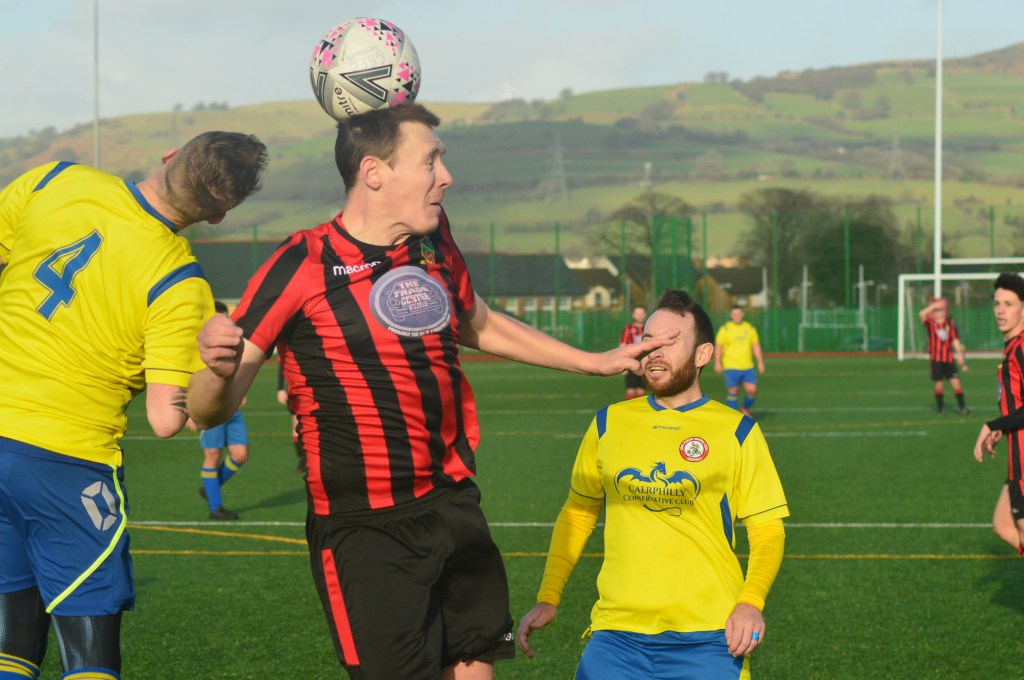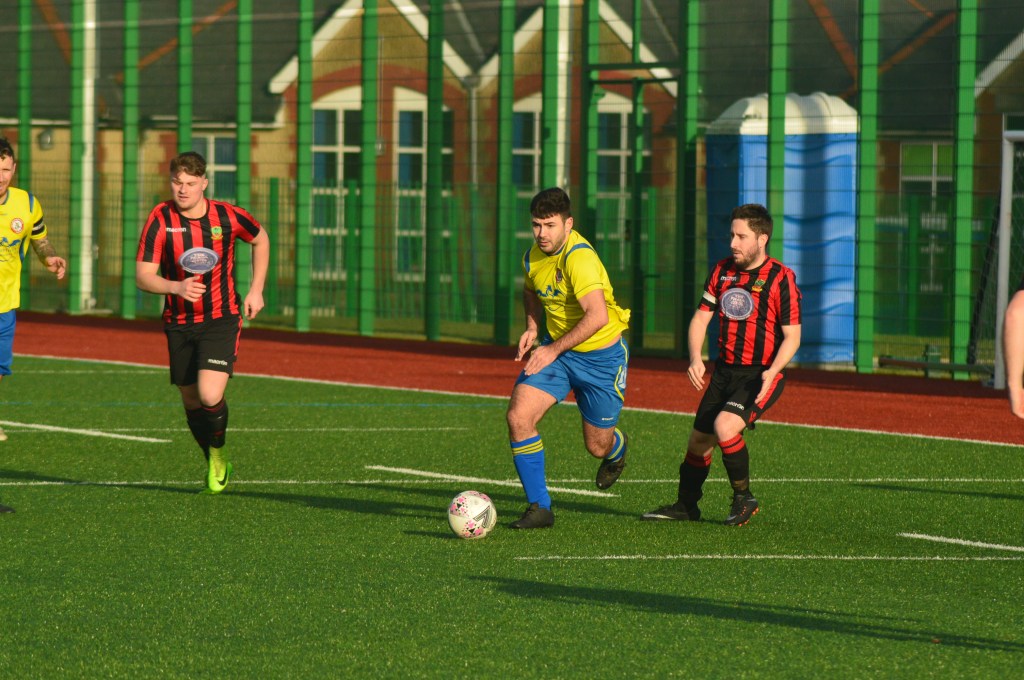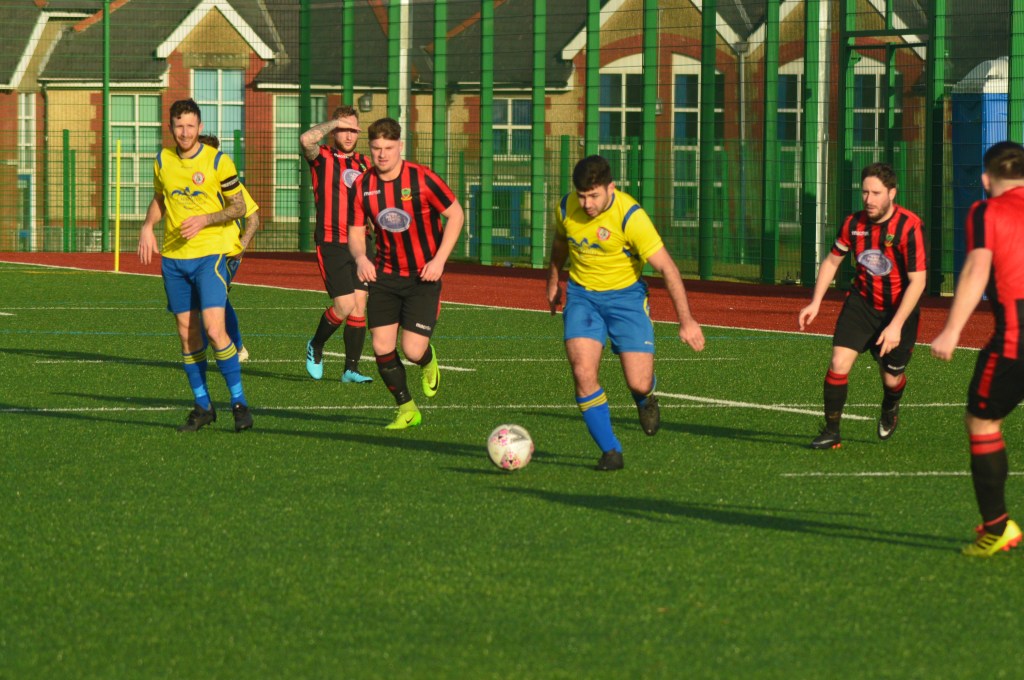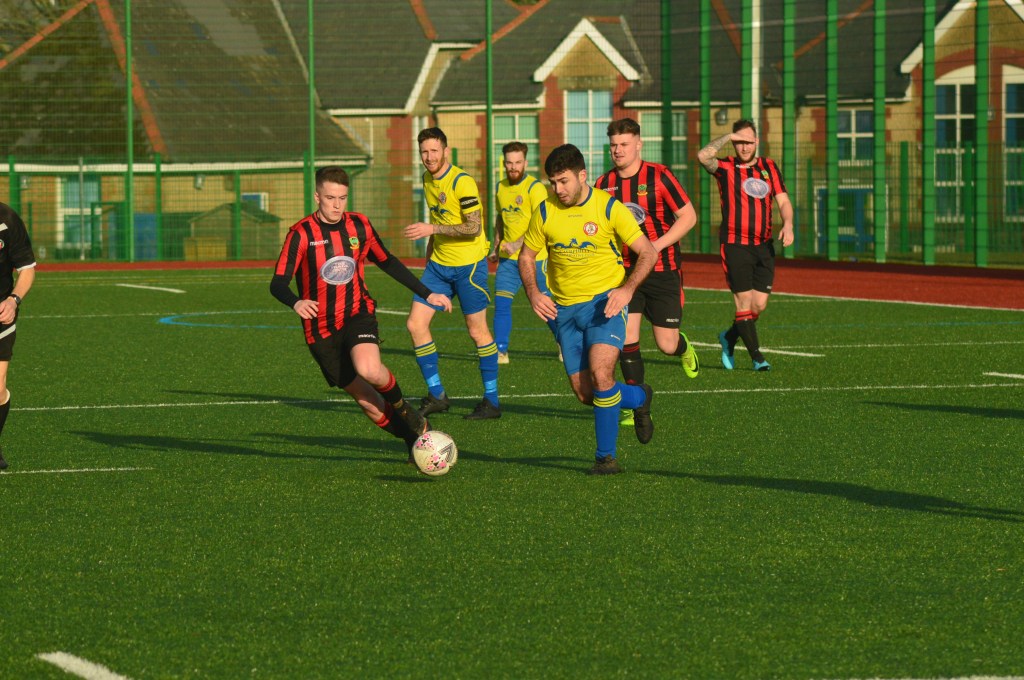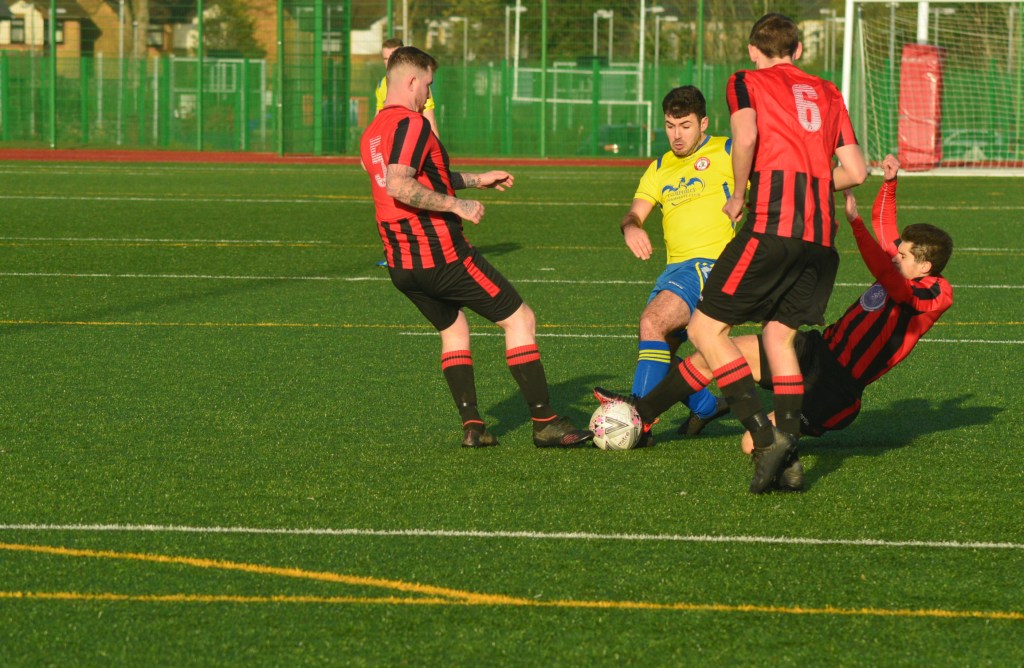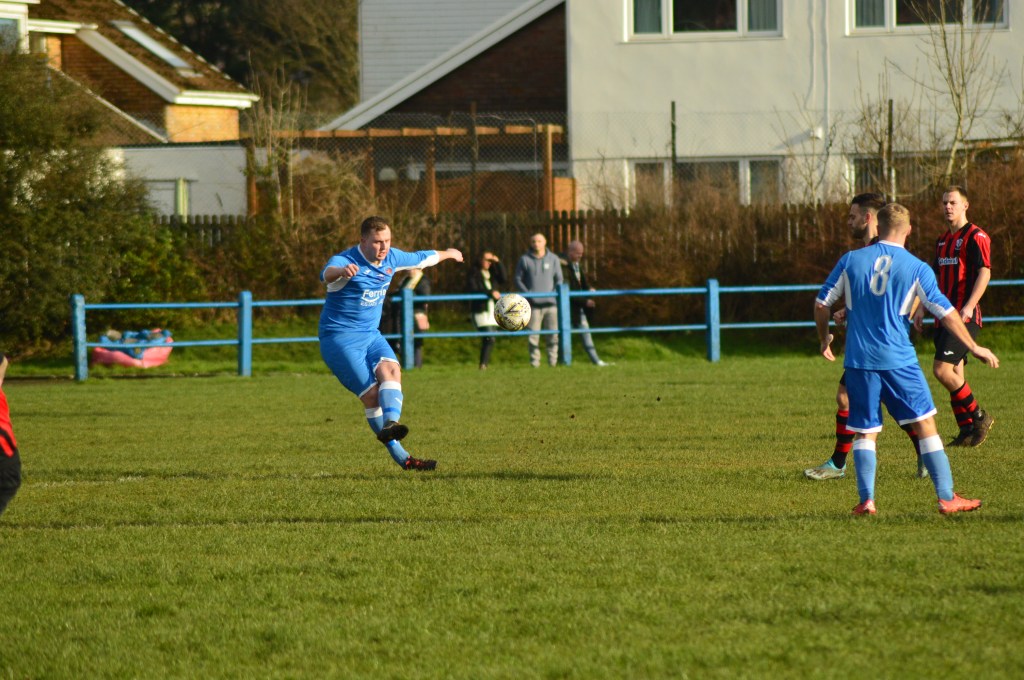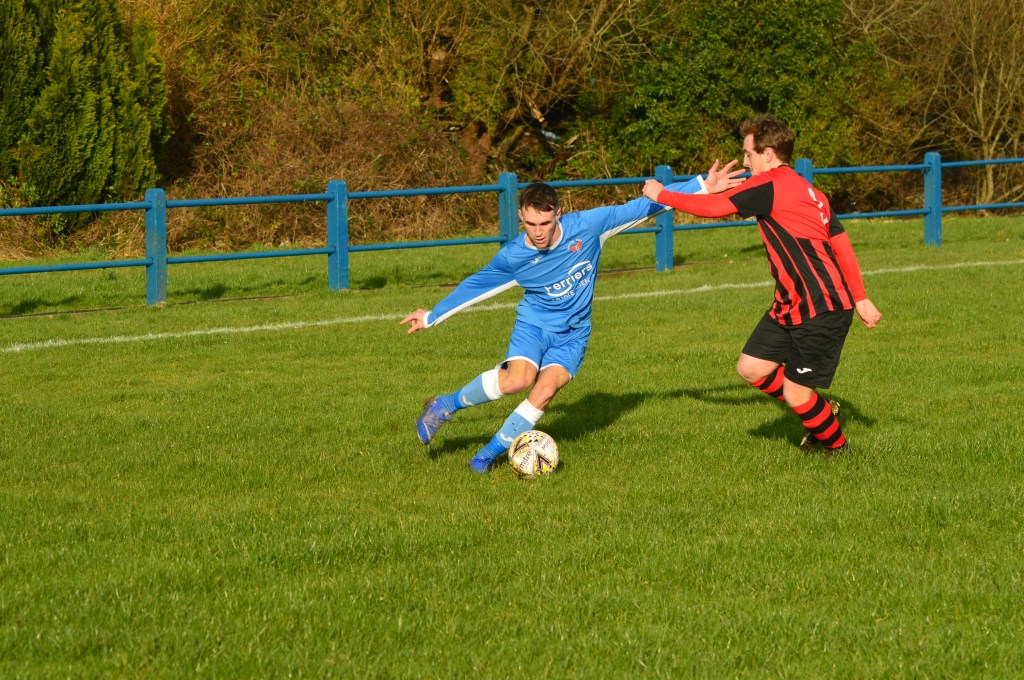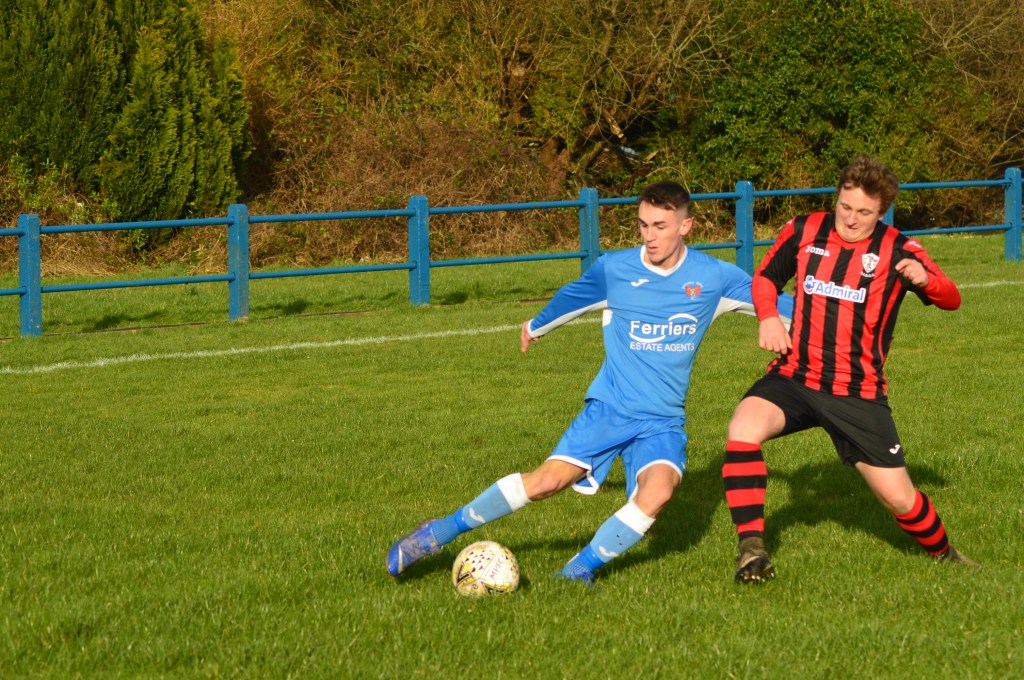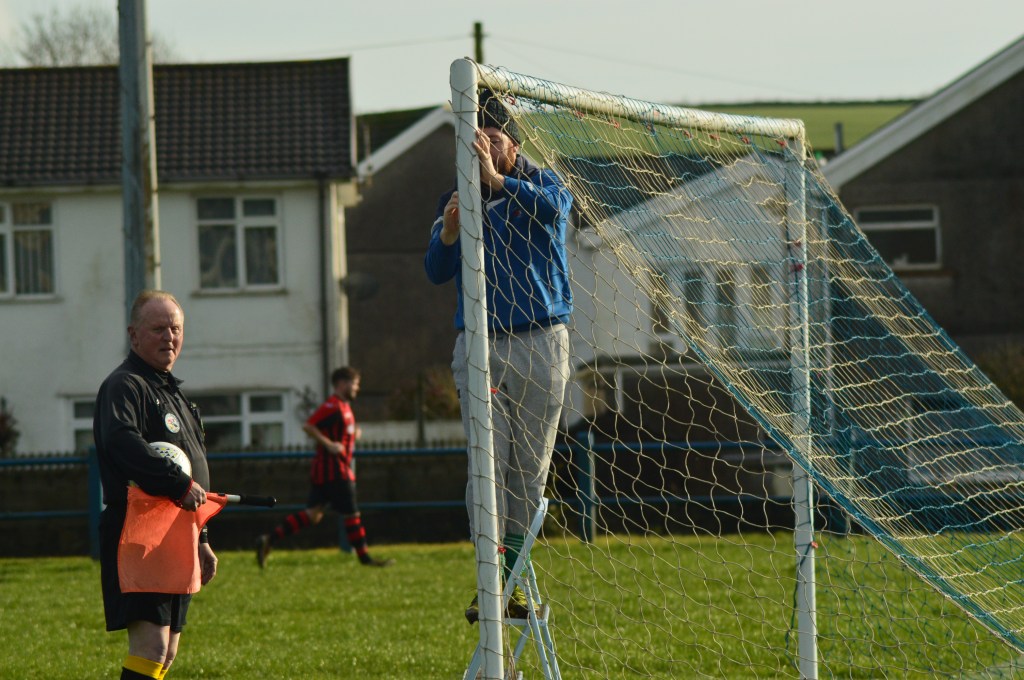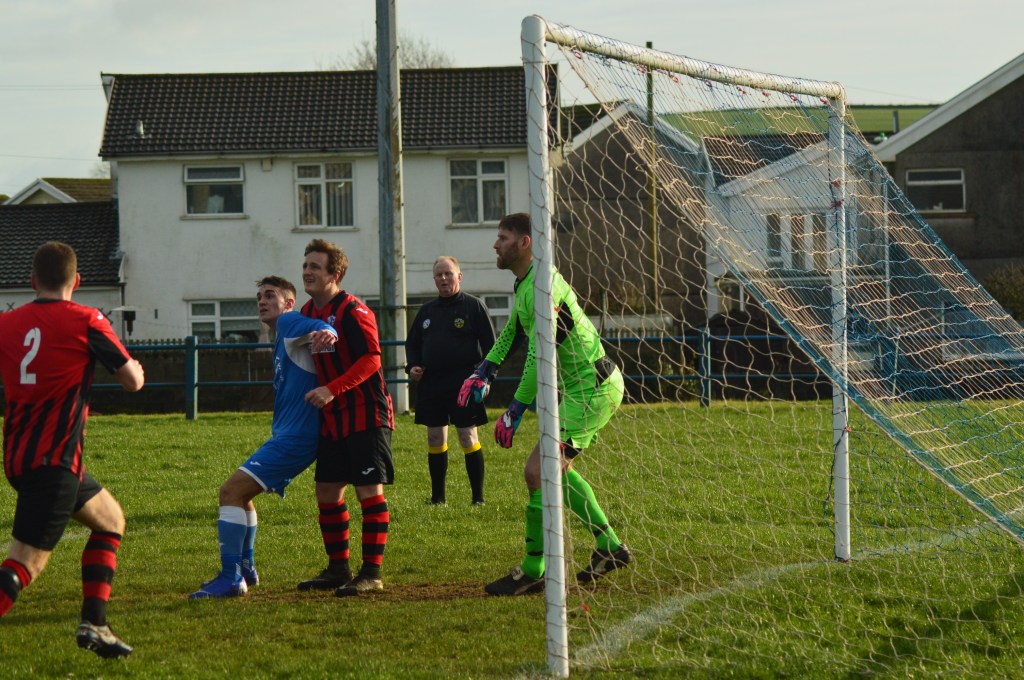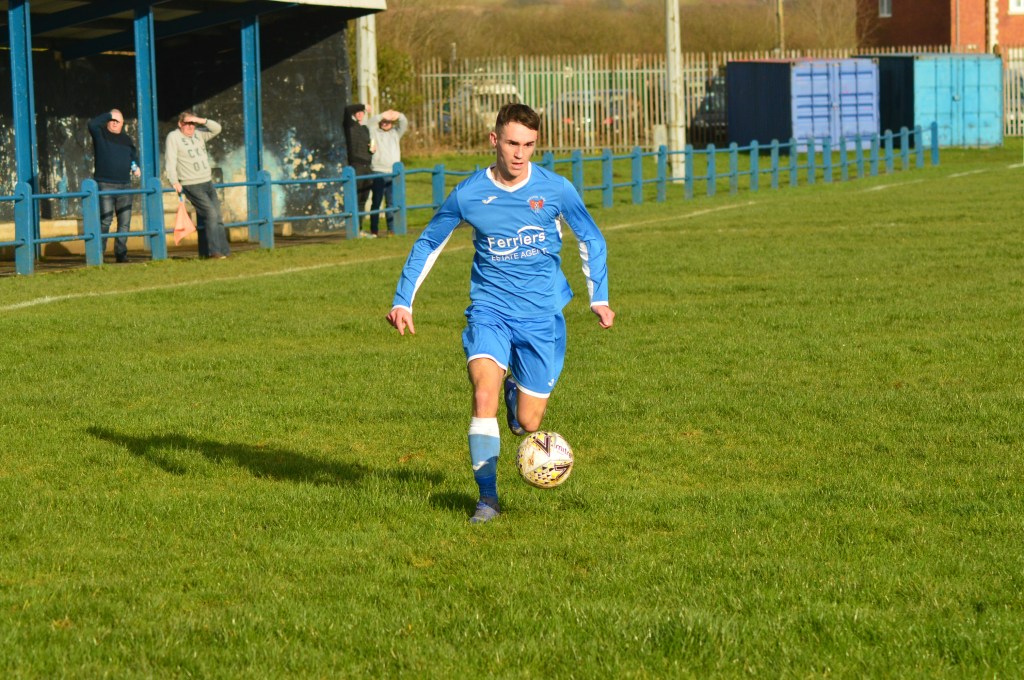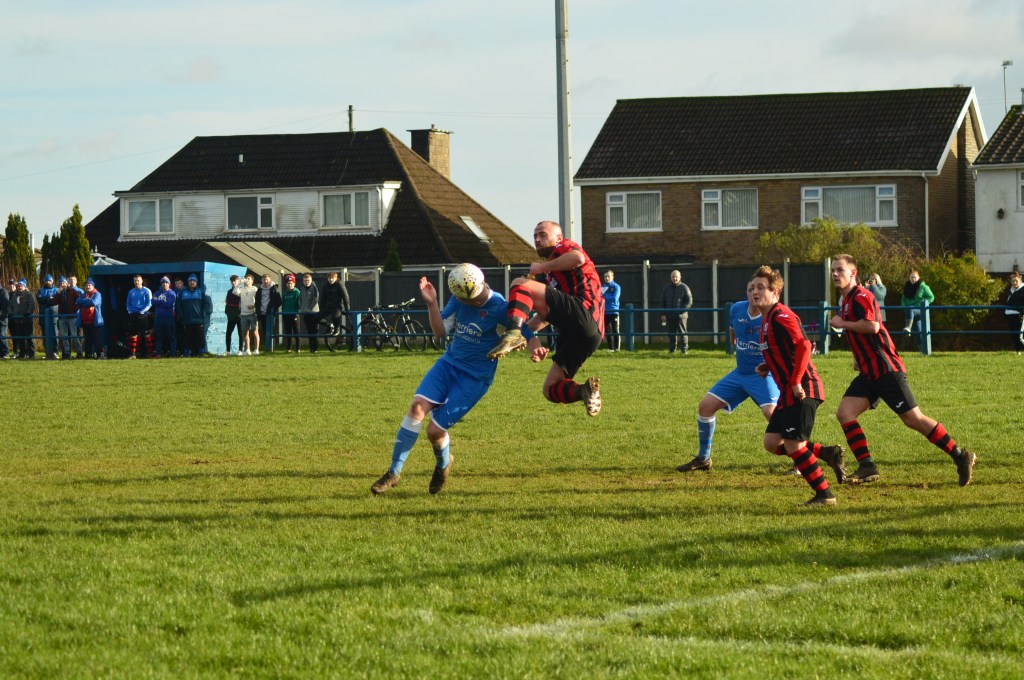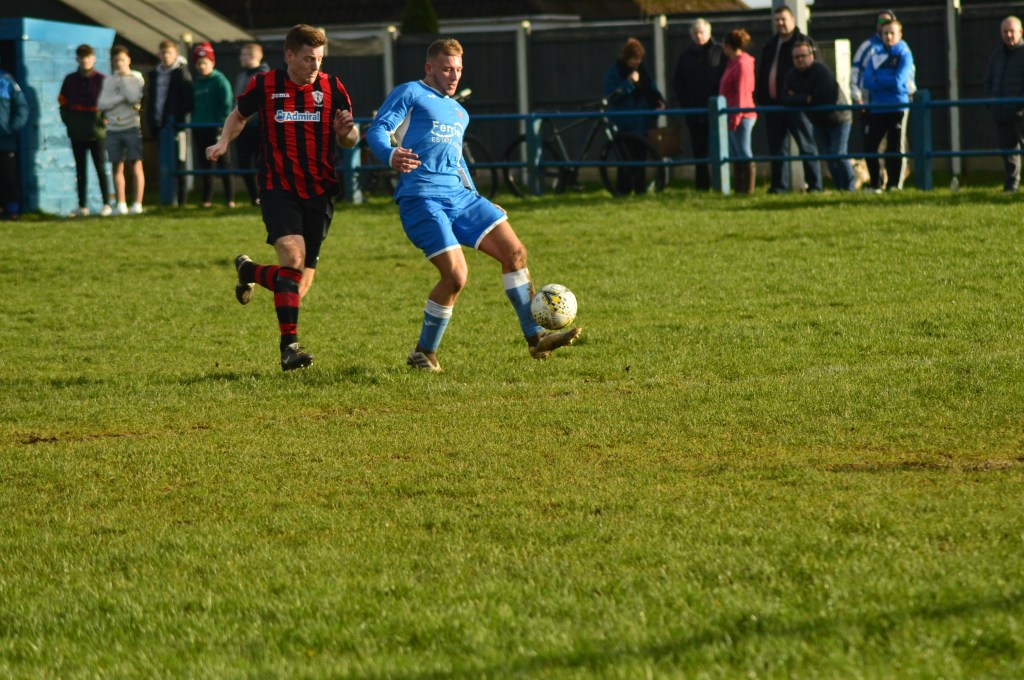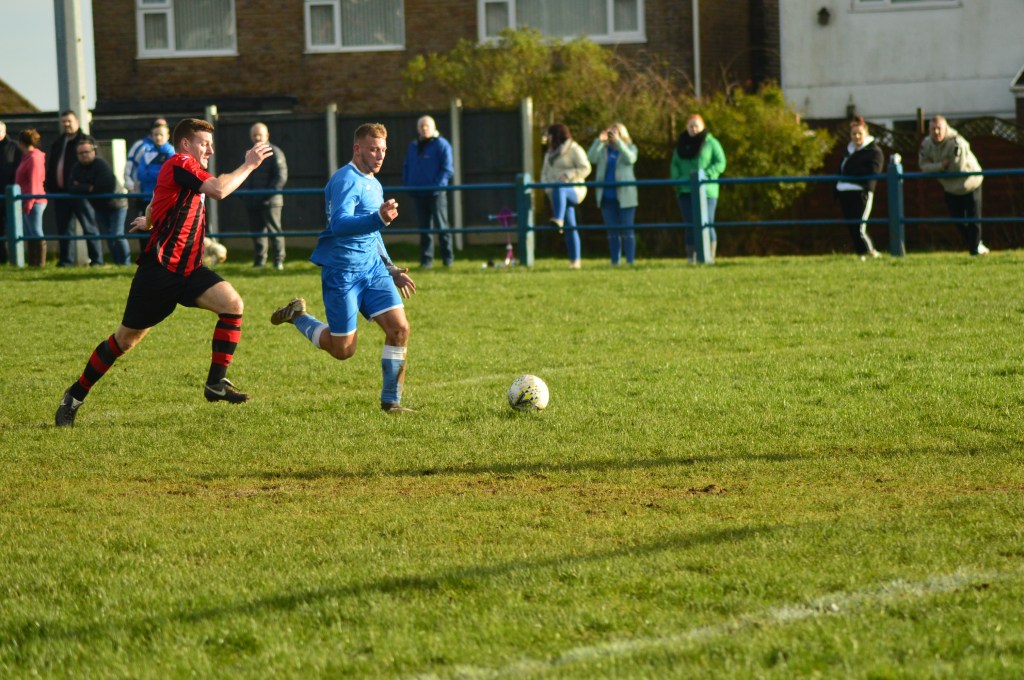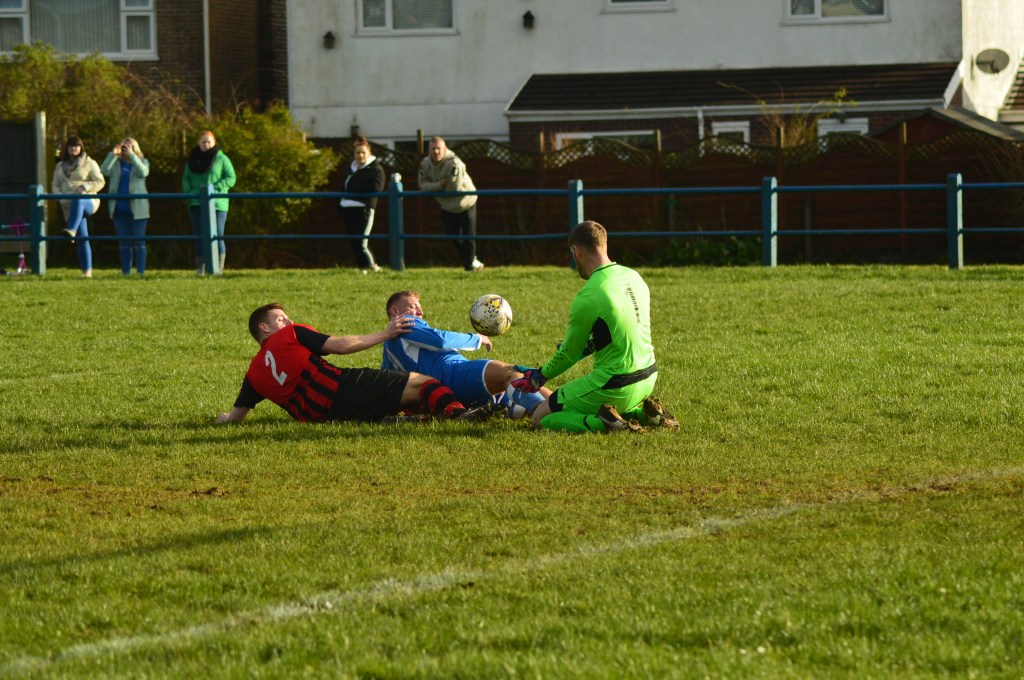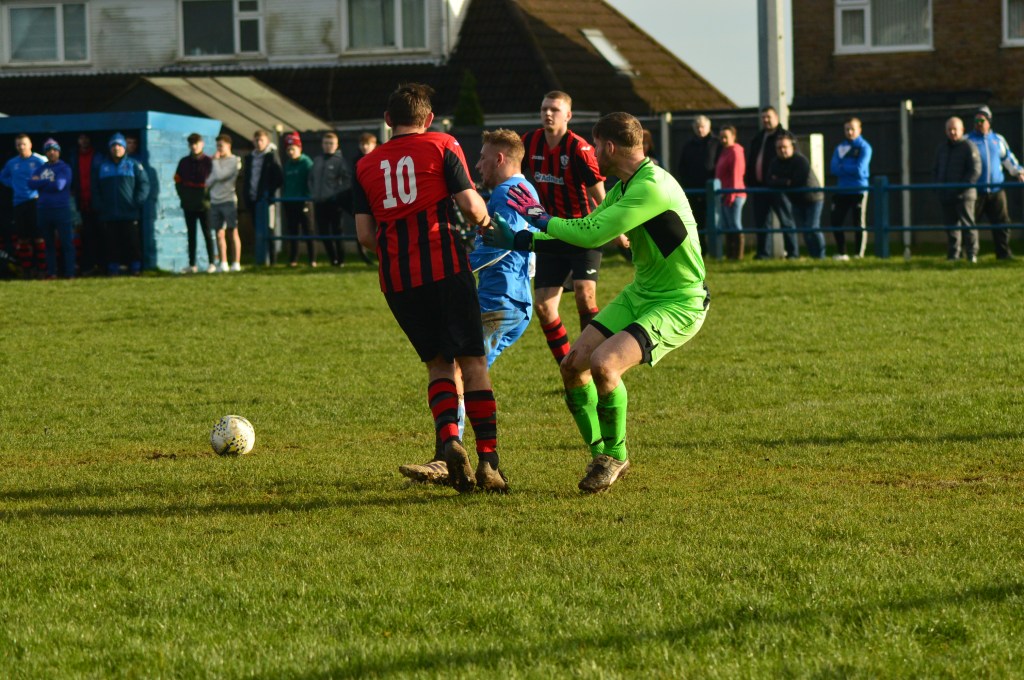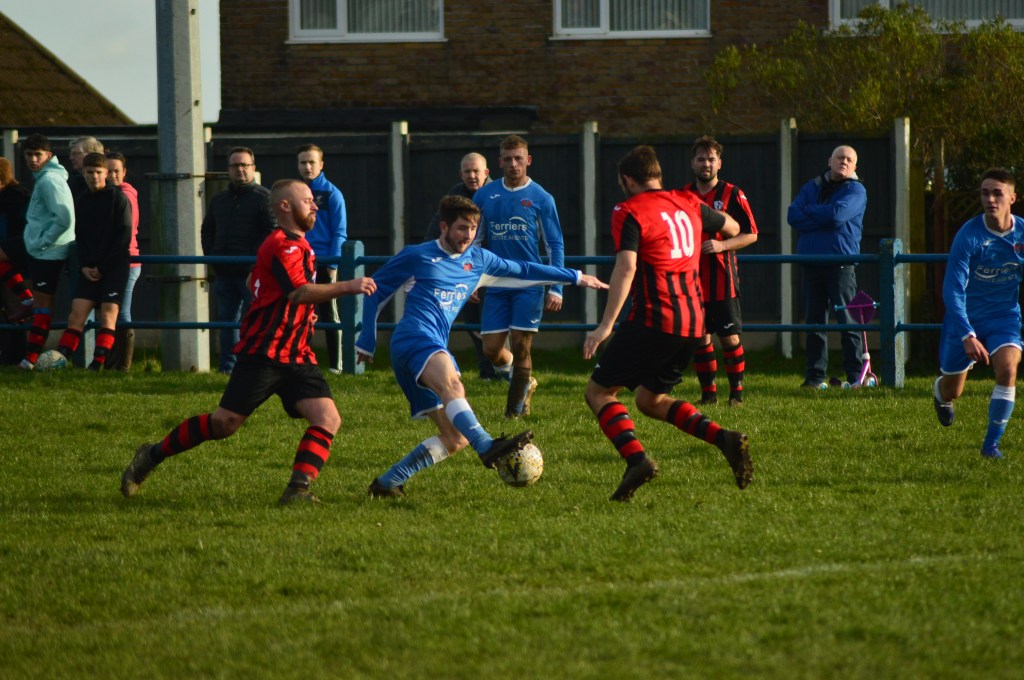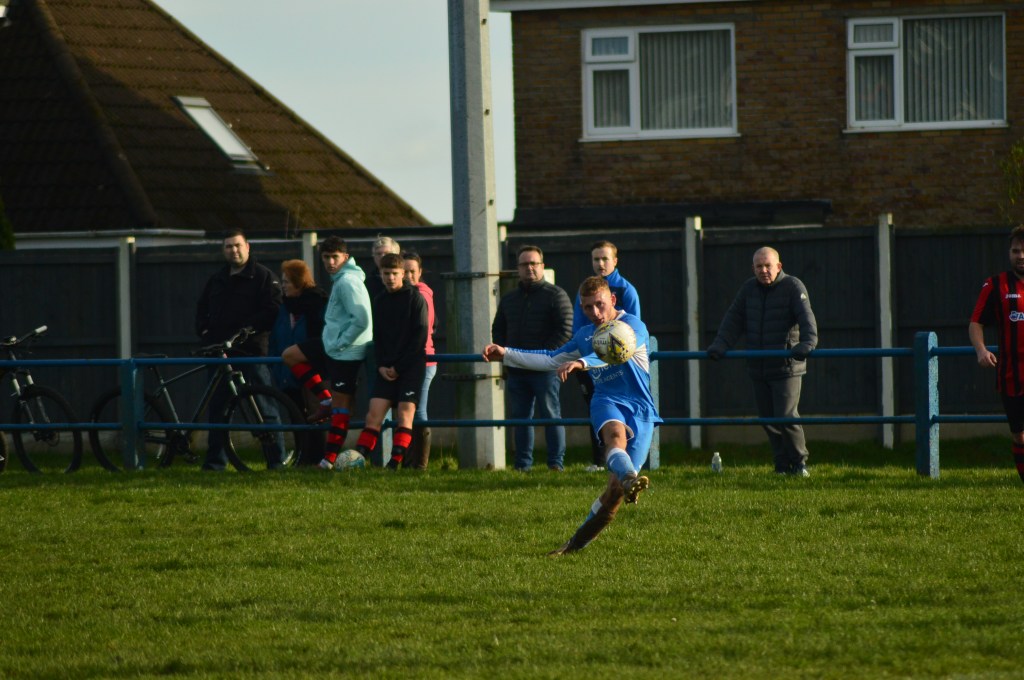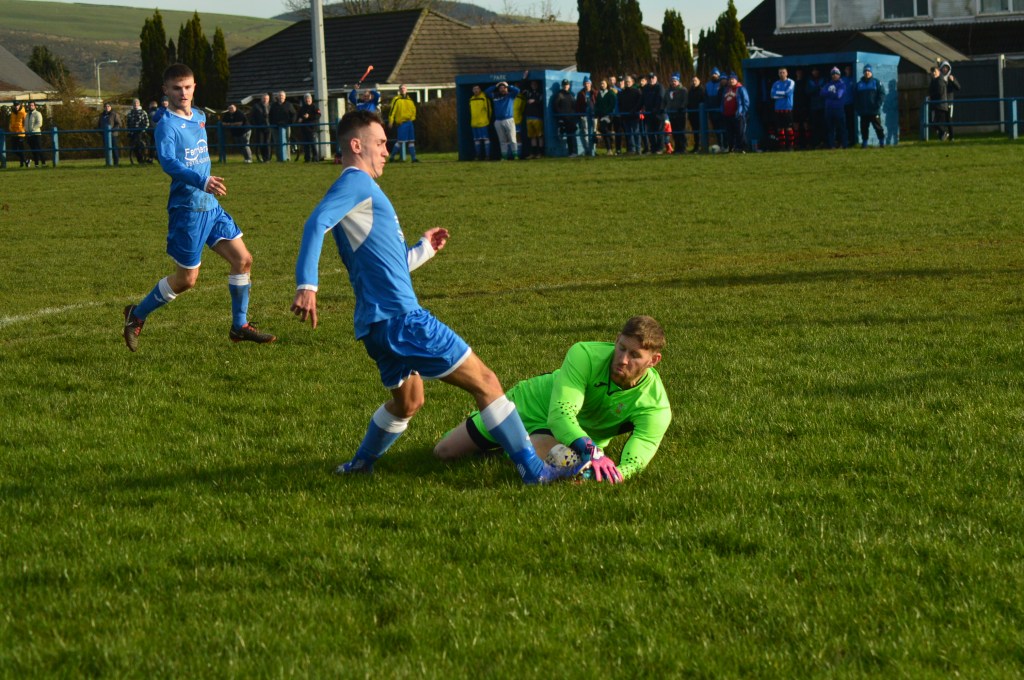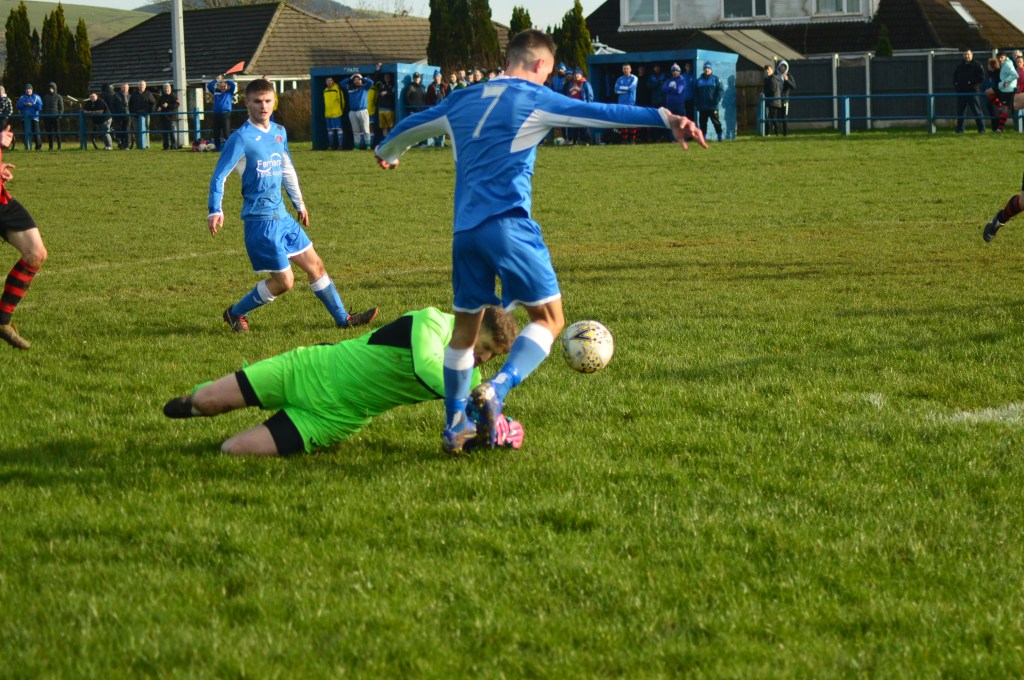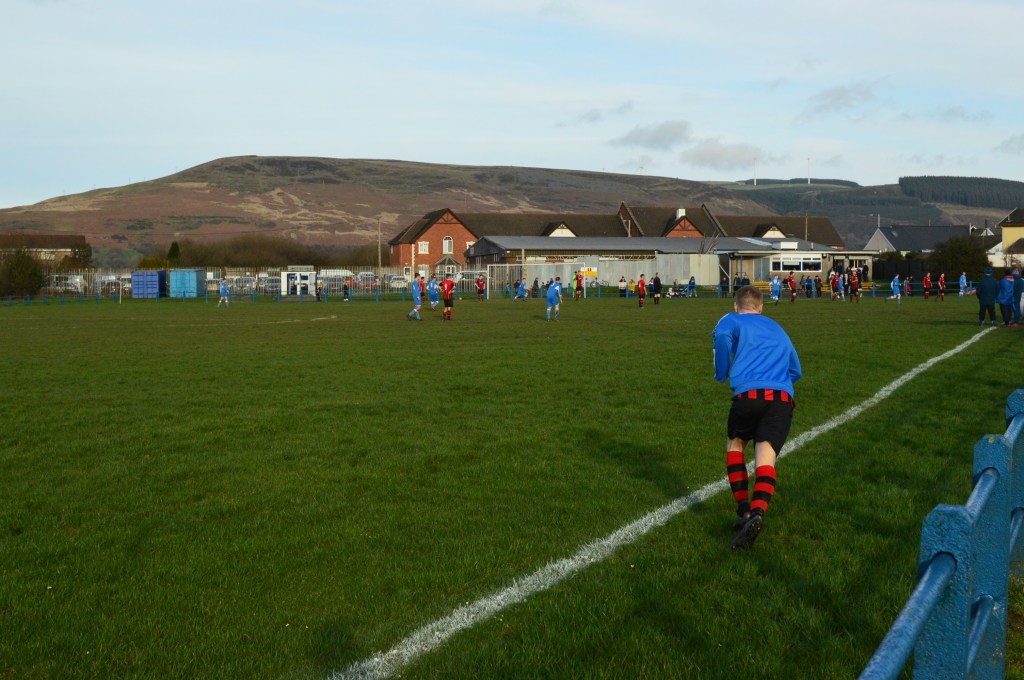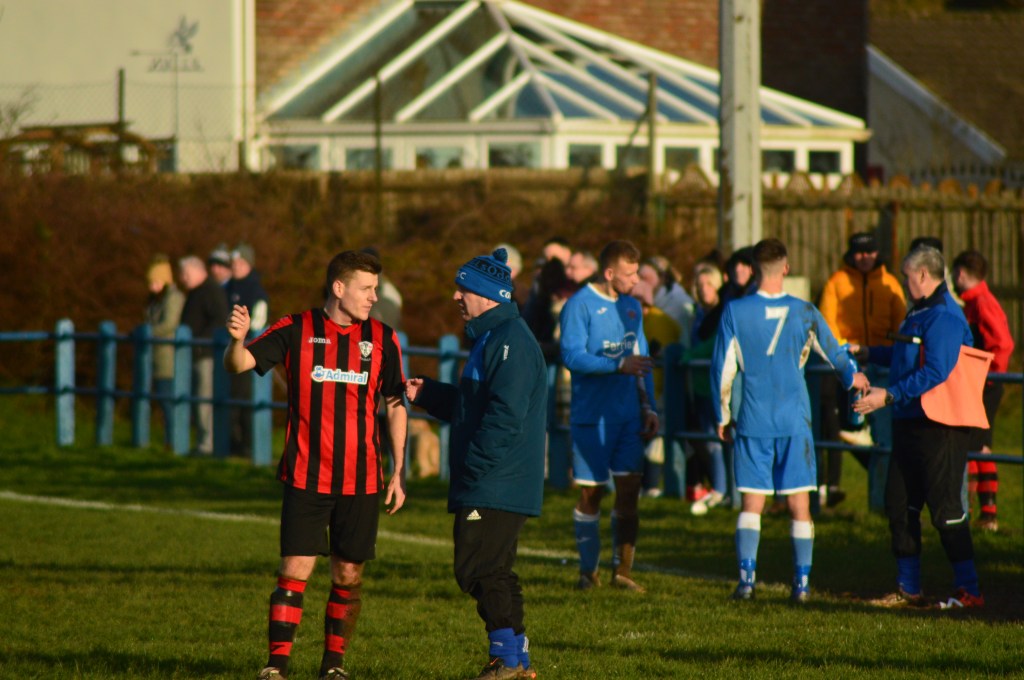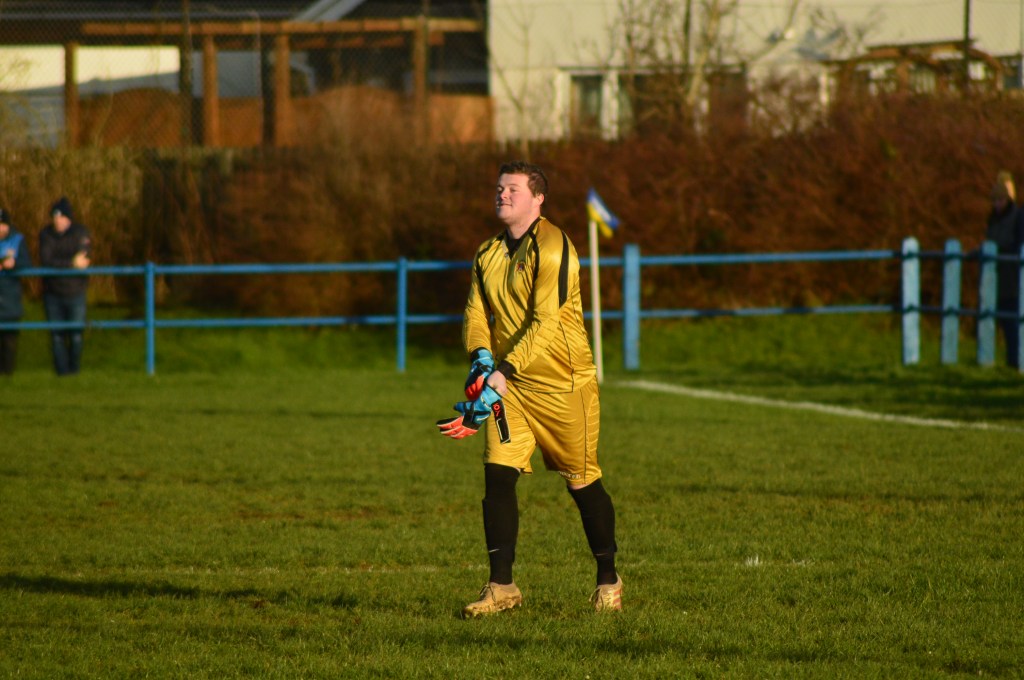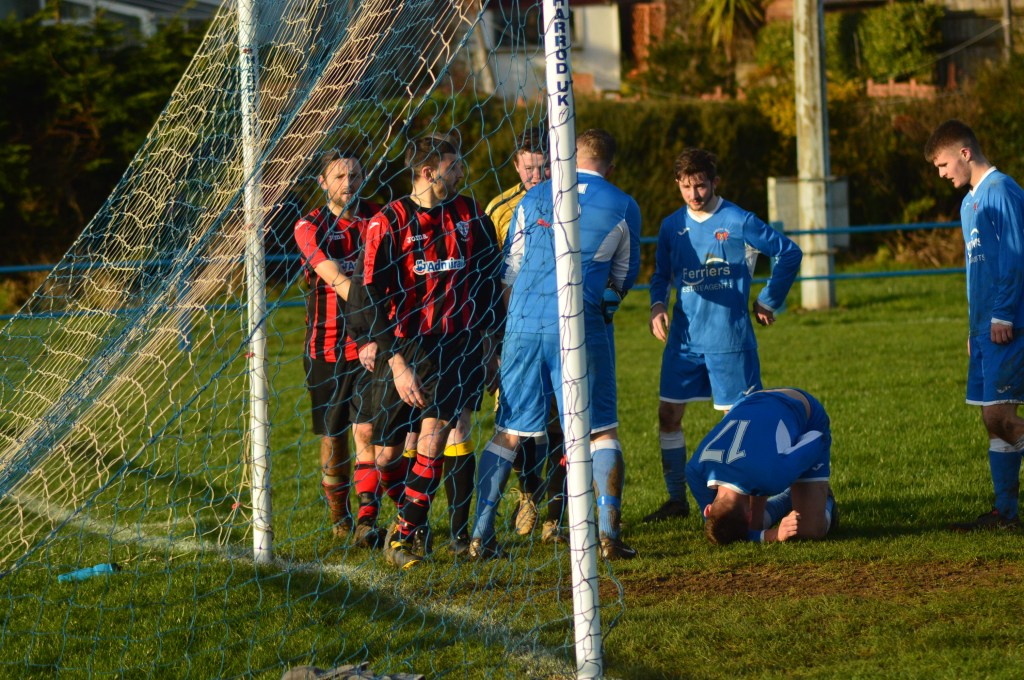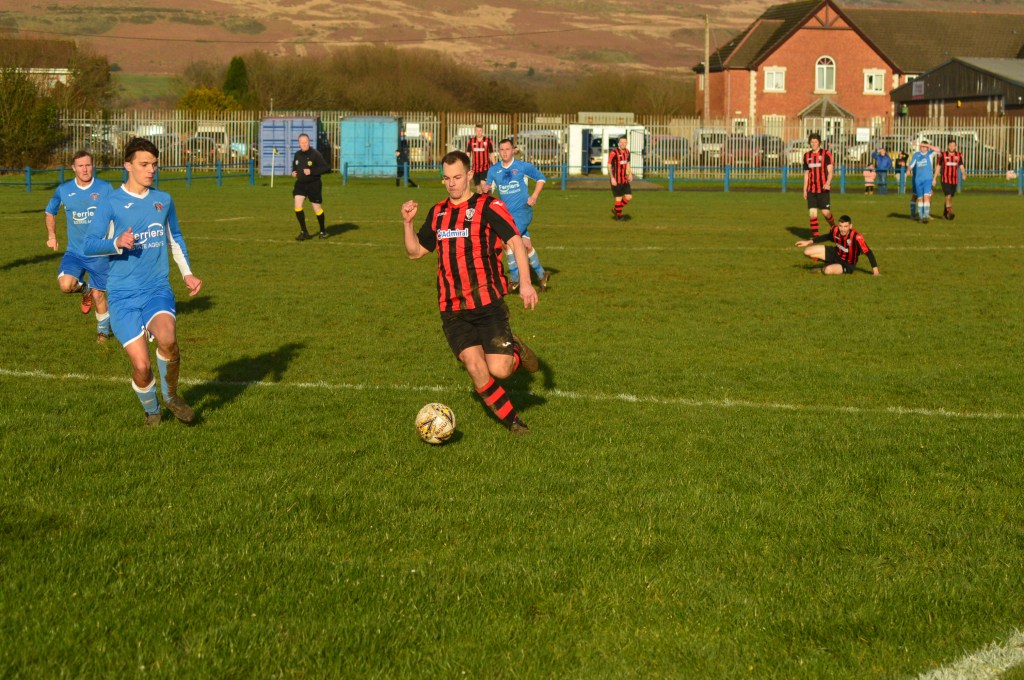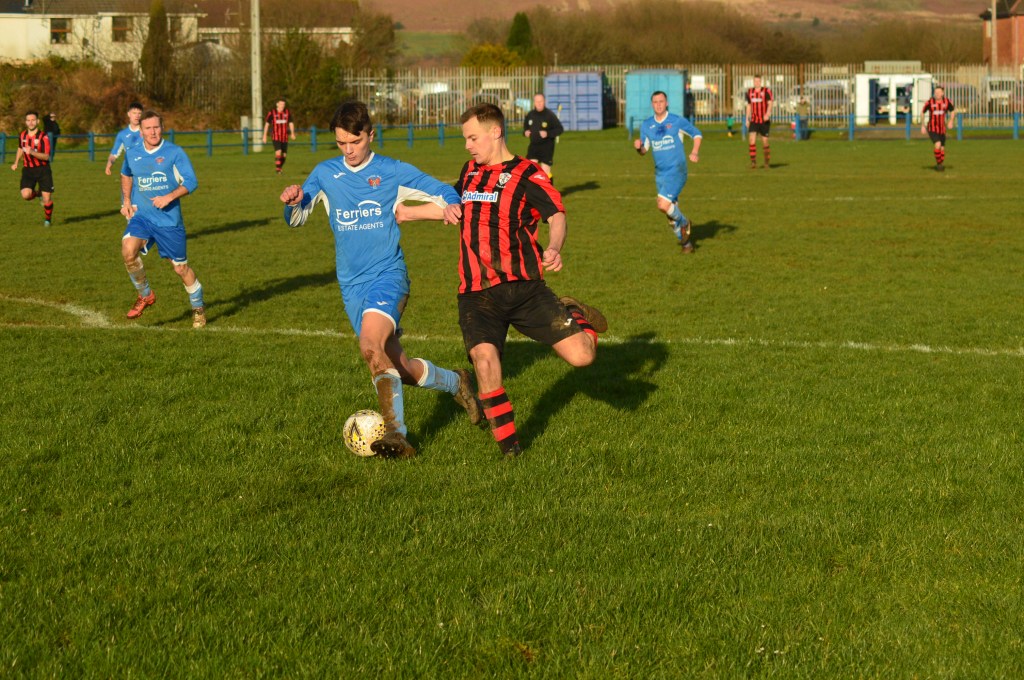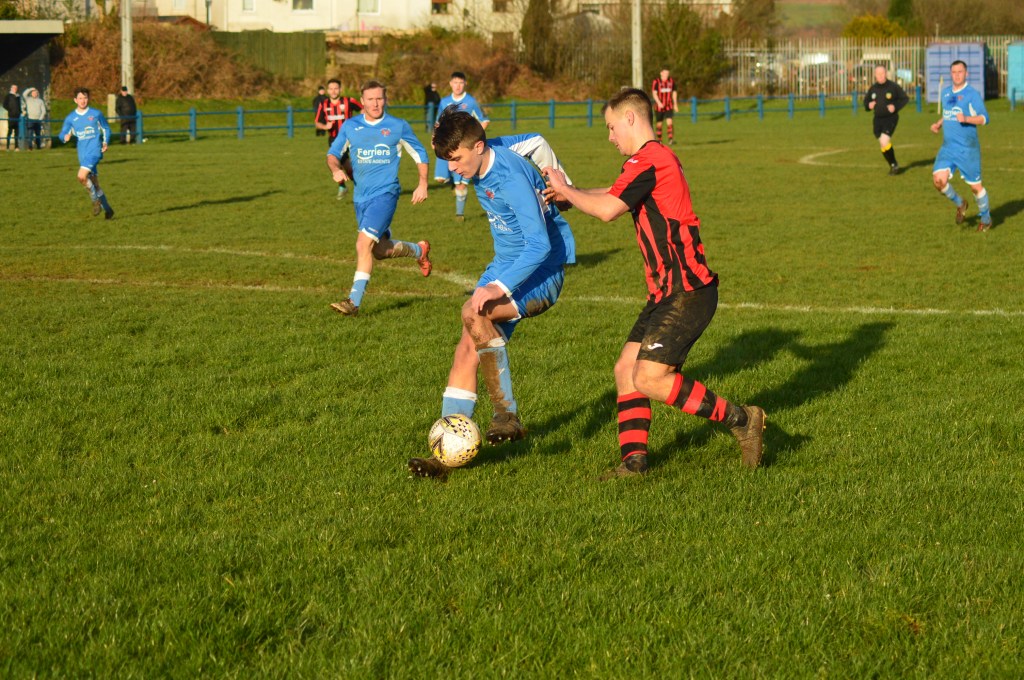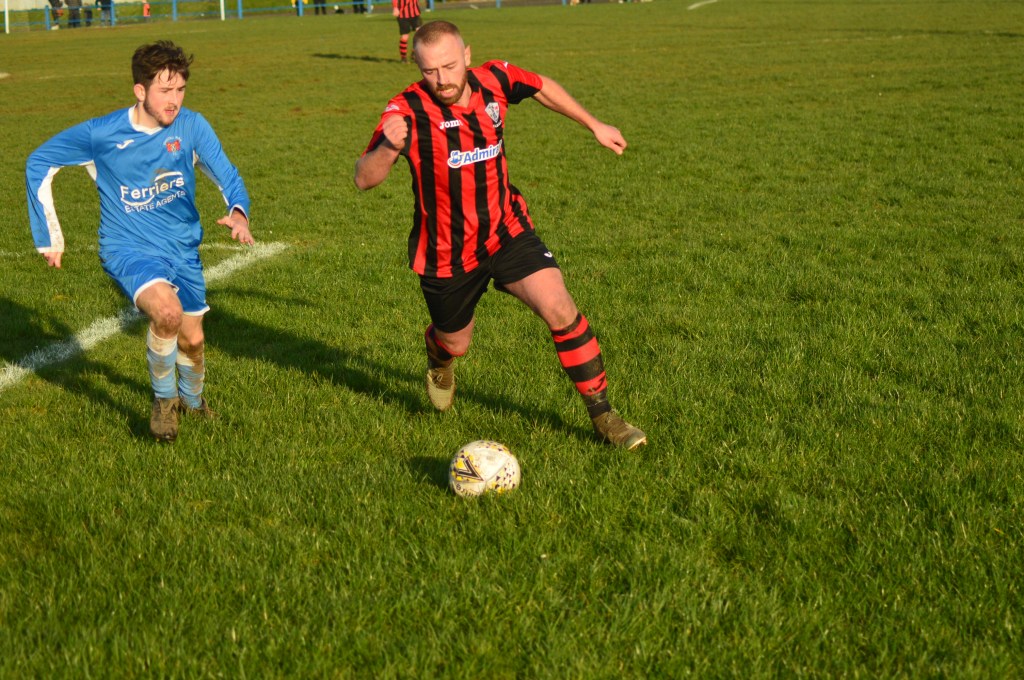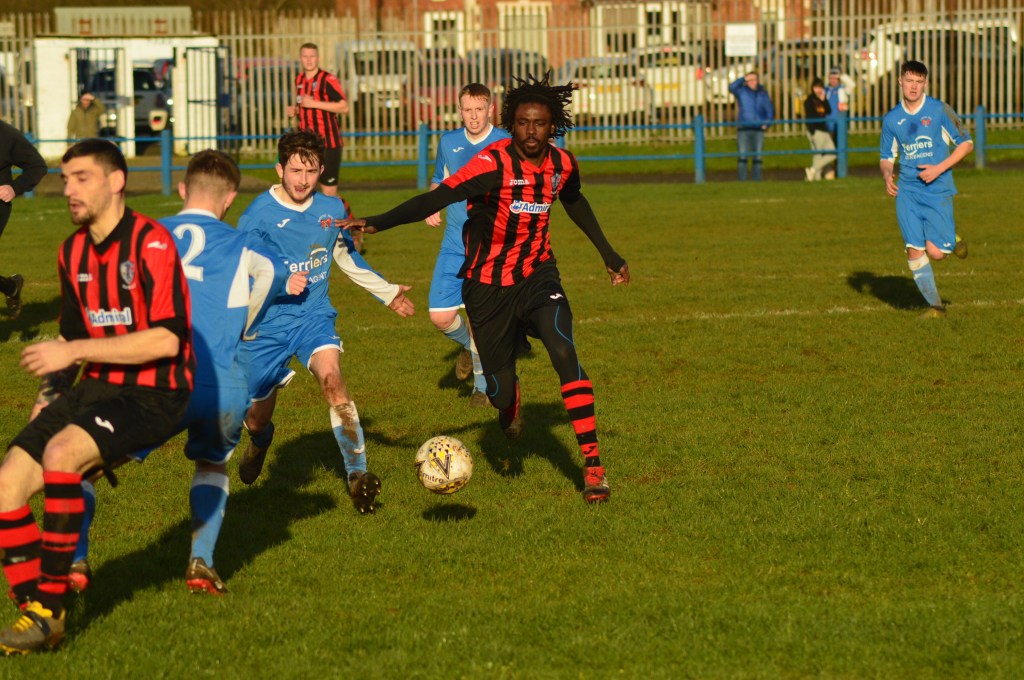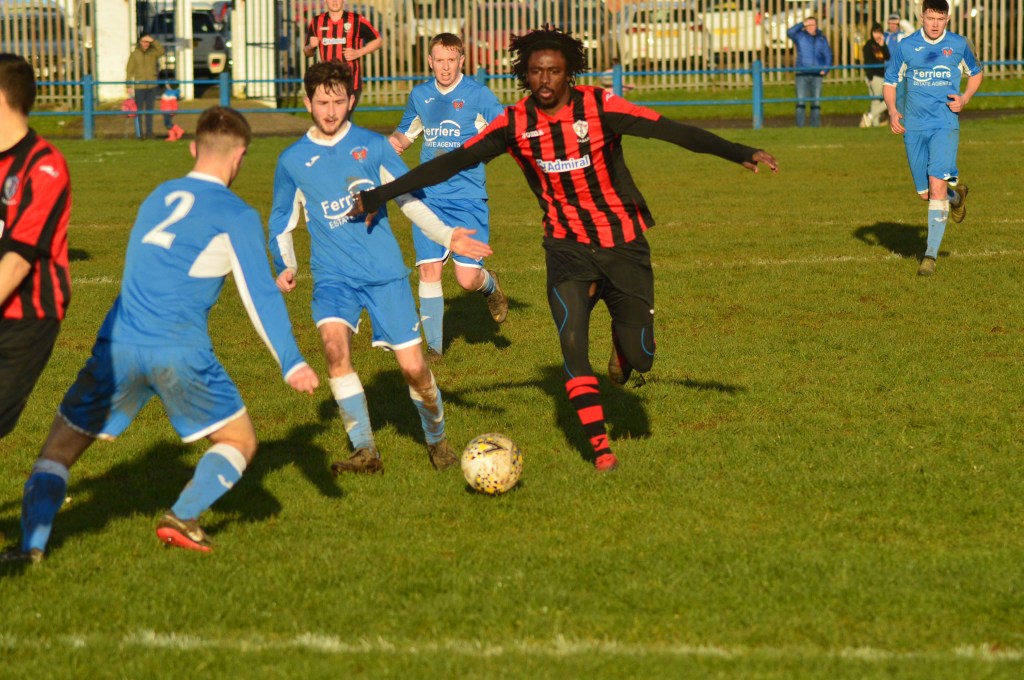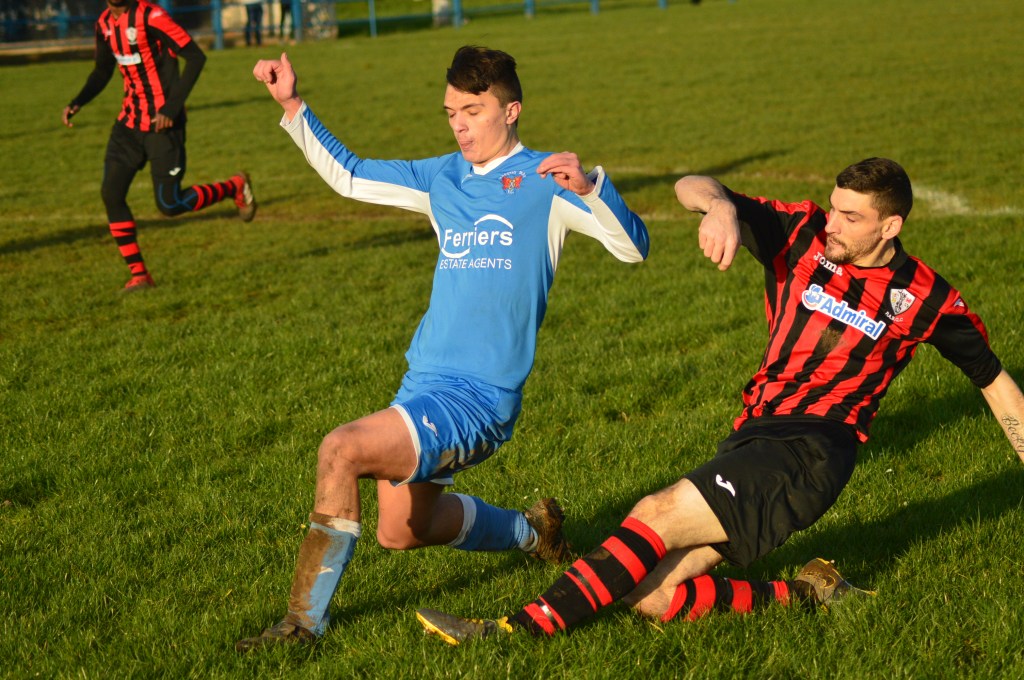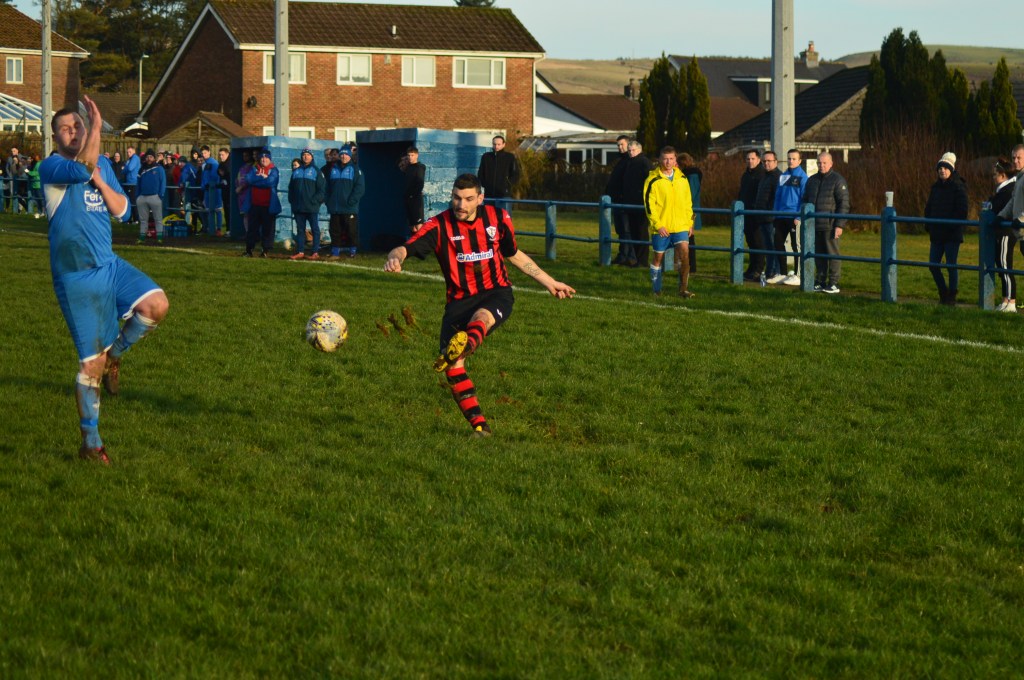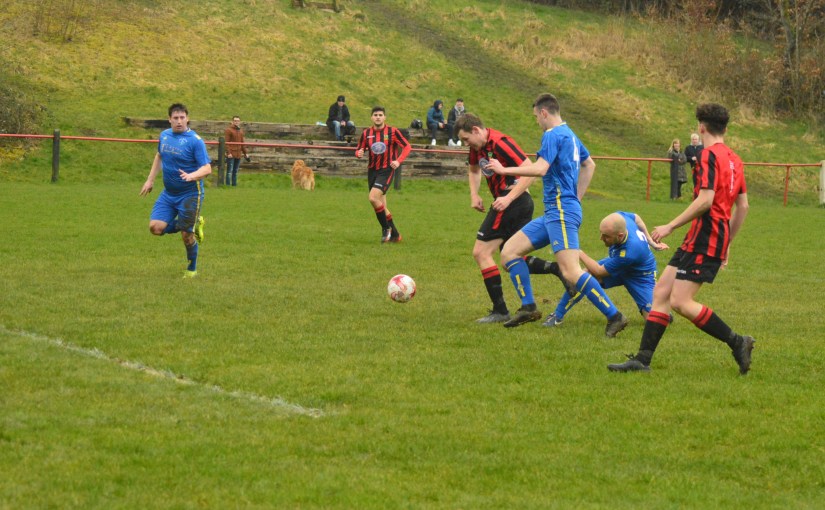
Nelson Cavaliers raising their standard at The Wern

With a free Saturday last weekend there was the opportunity to visit my 100th football ground and/or complete the Welsh League again. The short trip to Ynyshir Albions would have meant hitting two birds with one stone, but their home game with Treowen Stars didn’t really appeal to me with lots of other football on. Besides, I reasoned prior to Coronovirus outbreak, there will be plenty of opportunities to finally visit the Ynyshir Oval before the end of the season when the midweek fixtures in the spring begin to kick-in.

There was the FAW Trophy semi-final on offer but having been to Cardiff Met’s ground several times already this season I didn’t fancy a re-visit this time around. There were South Wales FA Senior Cup ties still to be resolved, two in particular stood out: Cwm Rhondda v Porthcawl Town Athletic and Nelson Cavaliers v Island Marine.

Both ties had their appeal and as it turned out Cwm Rhondda (of the Rhondda & District League) pulled off a big shock by beating cup favourites Porthcawl. However, on the morning it was the chance of a slugfest between two sides playing at district level and going well in their respective leagues that swung me. I wasn’t disappointed.

The current Nelson Cavaliers trace their origins back to the 1980s. The original Nelson Cavaliers club were formed in the early 1970s but folded after a short lifespan. The history of football played in the village goes back to the early days of organised football in the south of Wales, a Nelson [Unionists] club playing in the South Wales League in several campaigns between 1896 and 1910. The Welsh League table in the 1919/20 season includes a Nelson club but they appear to have either folded or not participated at that level beyond that campaign. Nelson Welfare club joined the Welsh League in 1946 and played thirteen seasons before dropping out in 1959.

Back to the modern club, they took on the name Nelson Cavaliers in the 1990s as a tribute to the 1970s club (also around the time they moved to the current home at Wern Field on the eastern edge of the village) and were founding members of the former South Wales Senior League in 1994 where they played for 18 seasons. Since relegation in 2012 the club have been re-building with the ambition to return to regional football in the South Wales Alliance League.
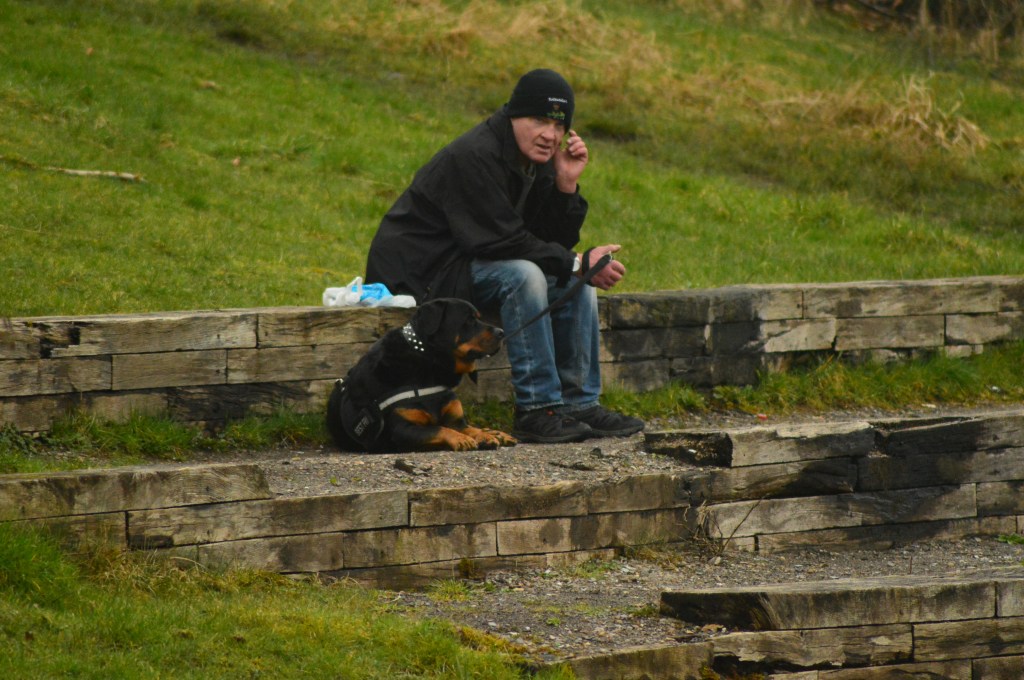
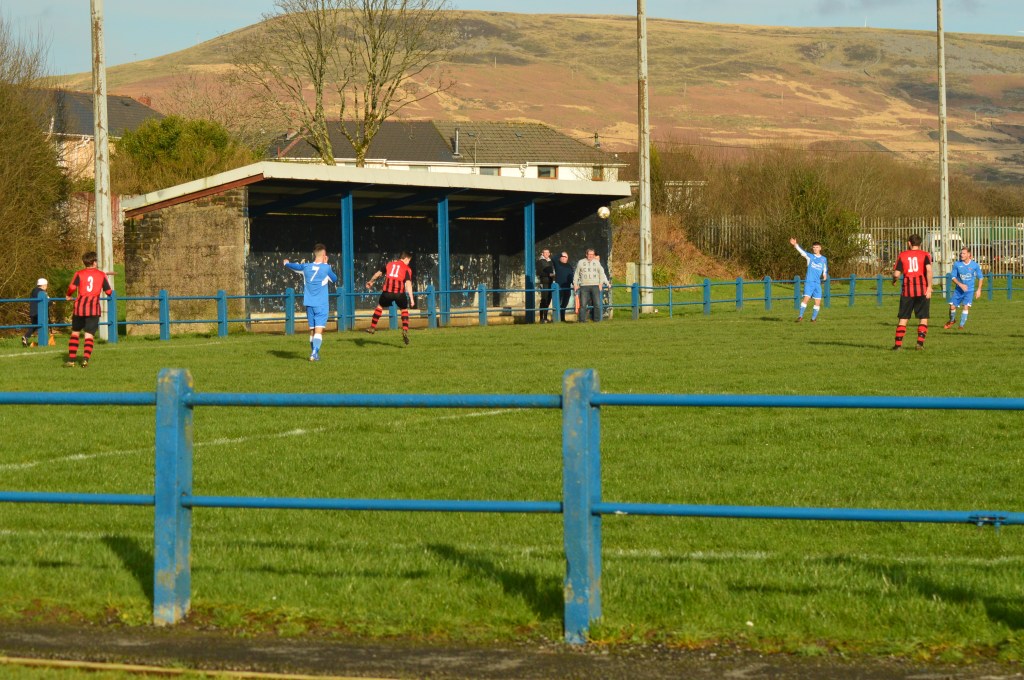
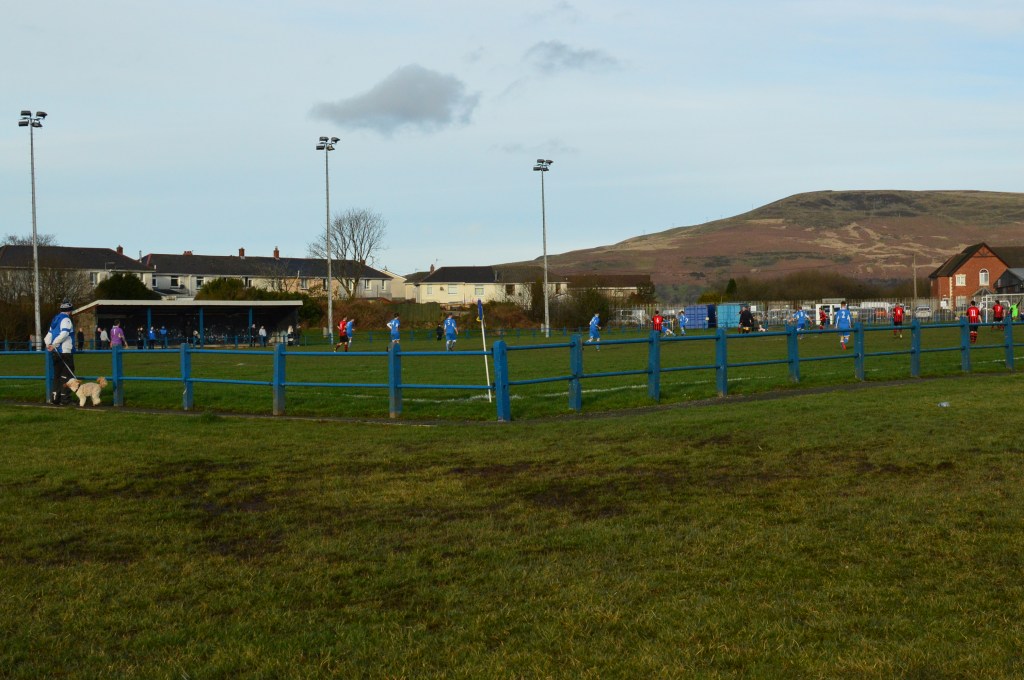
One of the features of the Wern Field, this makeshift terracing. Great to see this sort of thing at grassroots grounds.

This was my second visit to the Wern Field but my first opportunity to have an extended chat with club secretary and legend Rod Powell, who has been involved at Nelson since 1983; first as a player, then as first-team manager before handing the responsibility to his son Aaron in 2017. It is always a privilege speaking to long-standing custodians of grassroots club football with plenty of anecdotes to share and an enthusiasm for the sport that is as genuine as you will find.

Anyone familiar with Nelson’s club website and social media channels will know they are one of the more modern-thinking clubs in district football, operating as professionally as possible with a very informative website packed with archive information and relevant, positive content through their Twitter page. Information is so important for building a club’s narrative and heritage, it is an opportunity missed when clubs make so little effort to inform any potential audience.

It isn’t surprising then that the club maintain a folder of old newspaper clippings featuring the club’s achievements down the years, including some valuable records of local football. My thanks to Rod for sharing it with me and it is genuinely worth a visit alone, as well as the fact Nelson produce a programme for every home fixture despite no league requirement to do so. I’d venture that is probably unique at this level of football and a credit to the club as even some Welsh League clubs barely make an effort.

Nelson are pushing again this season for the Taff Ely & Rhymney Valley League title (they were champions two years) and their opponents Island Marine are also going well in the Vale of Glamorgan Premier Division. Both sides have eliminated South Wales Alliance League teams in this competition this season so there was the potential for a good couple of hours of knockout football.

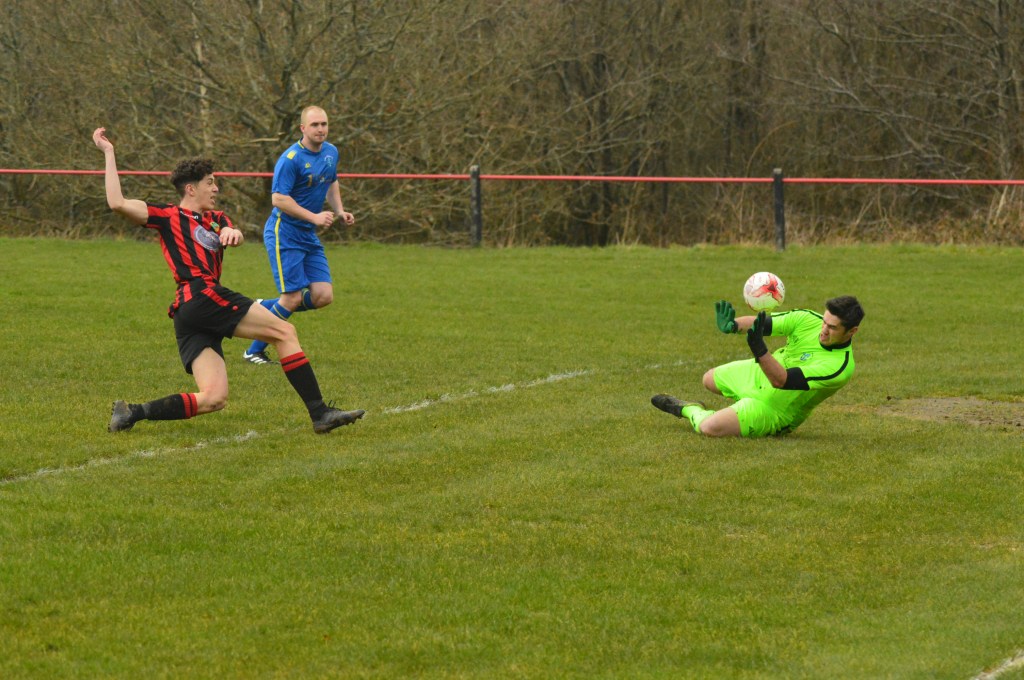
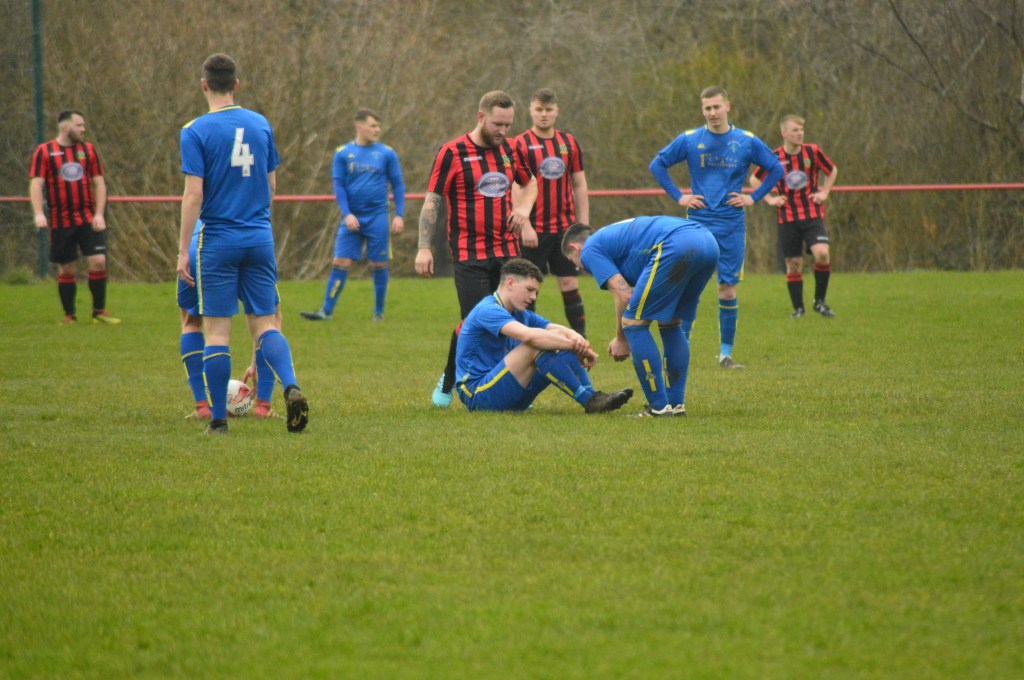
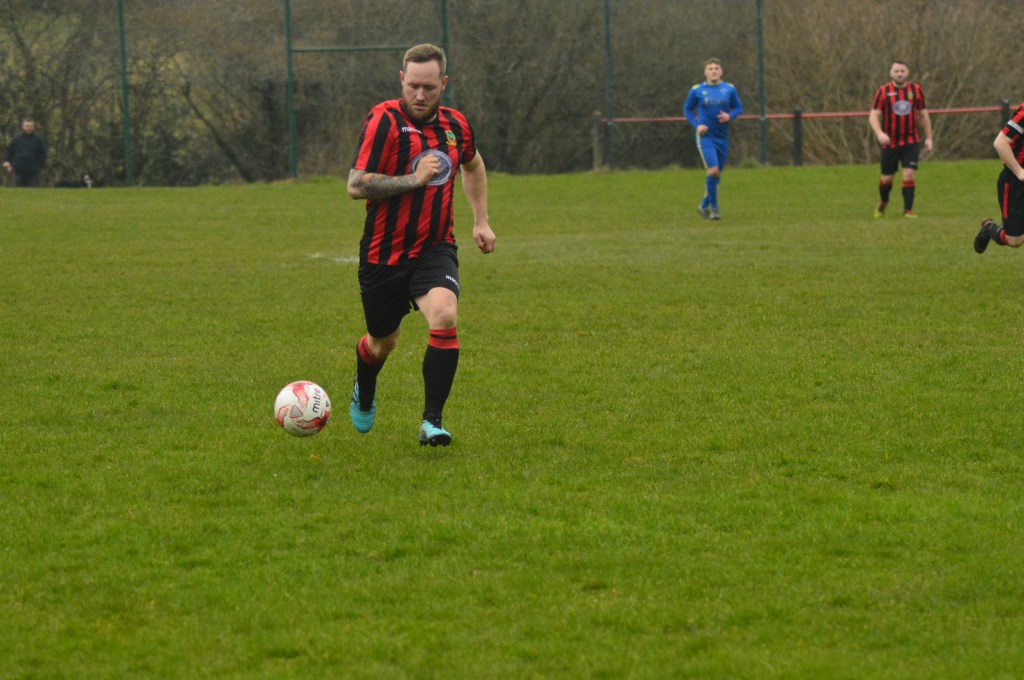
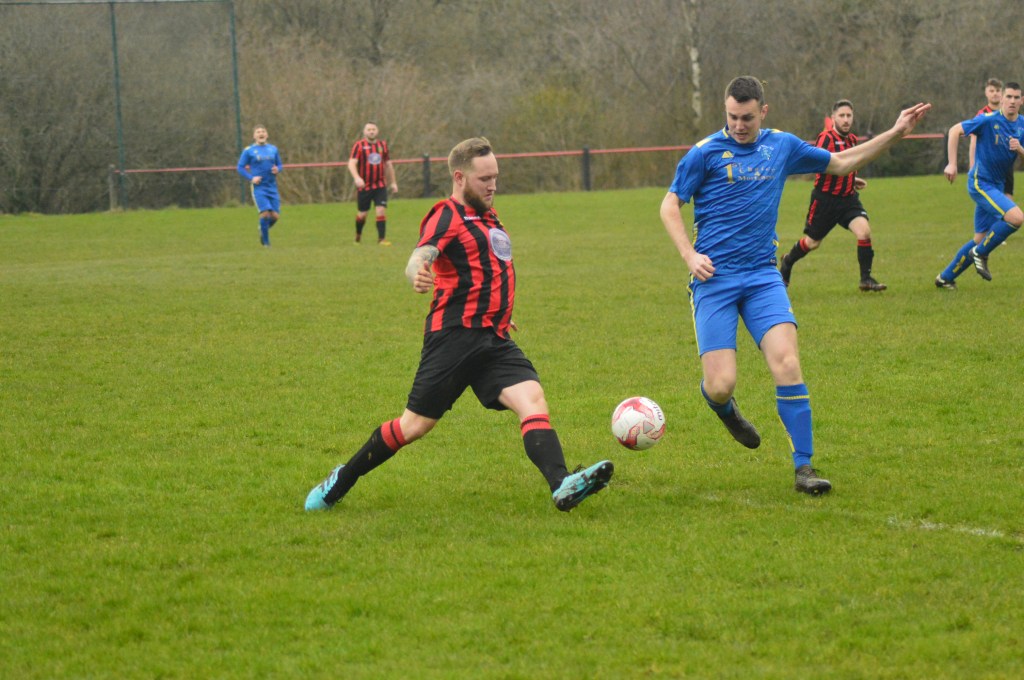
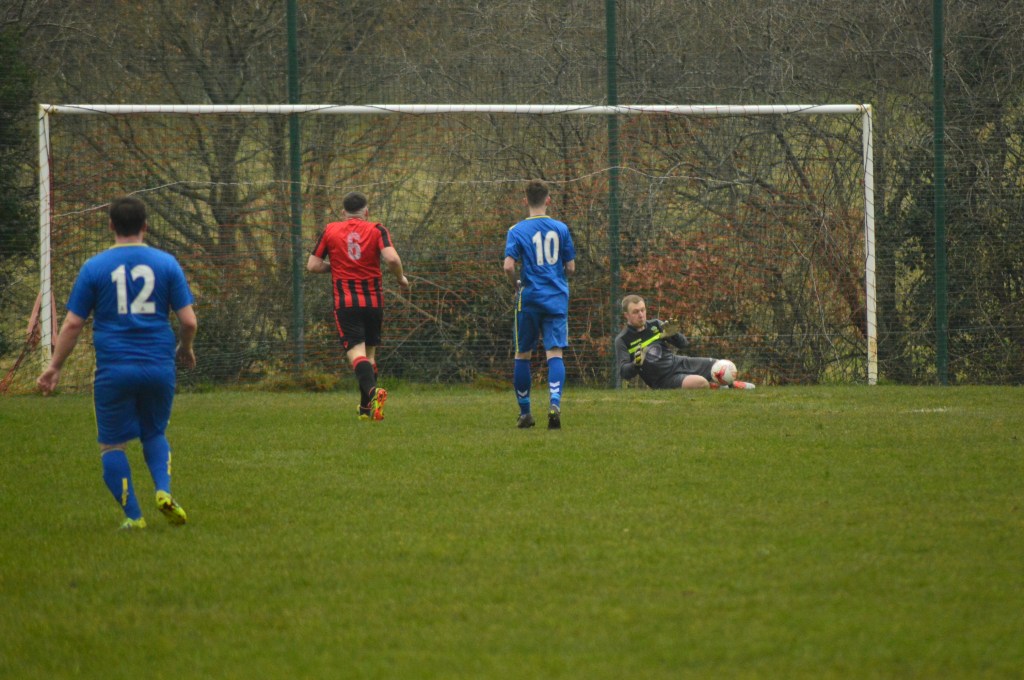
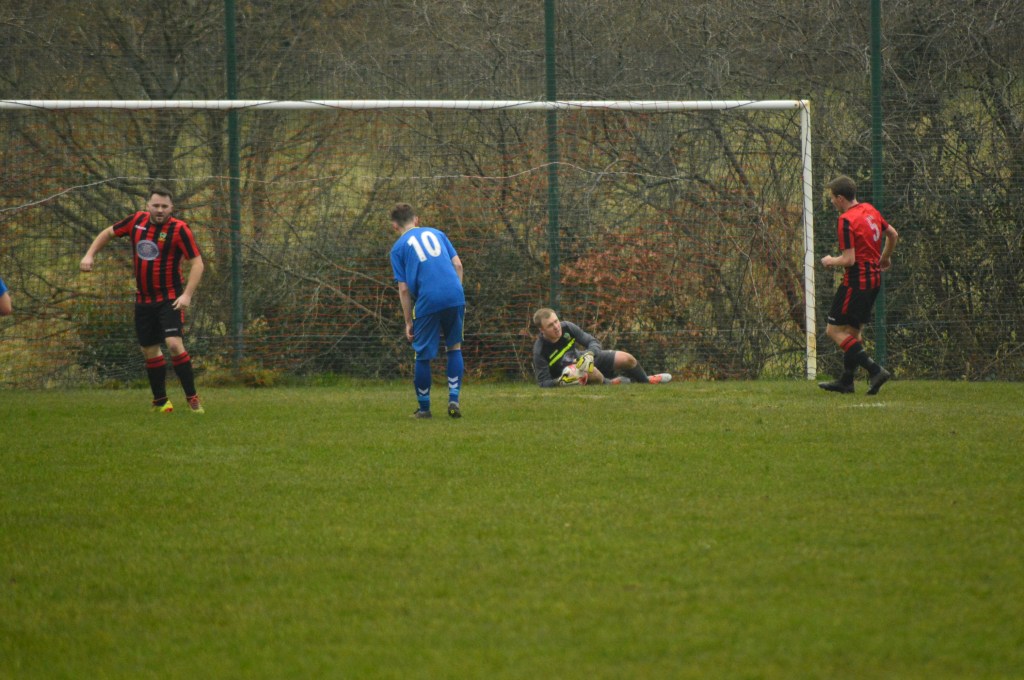
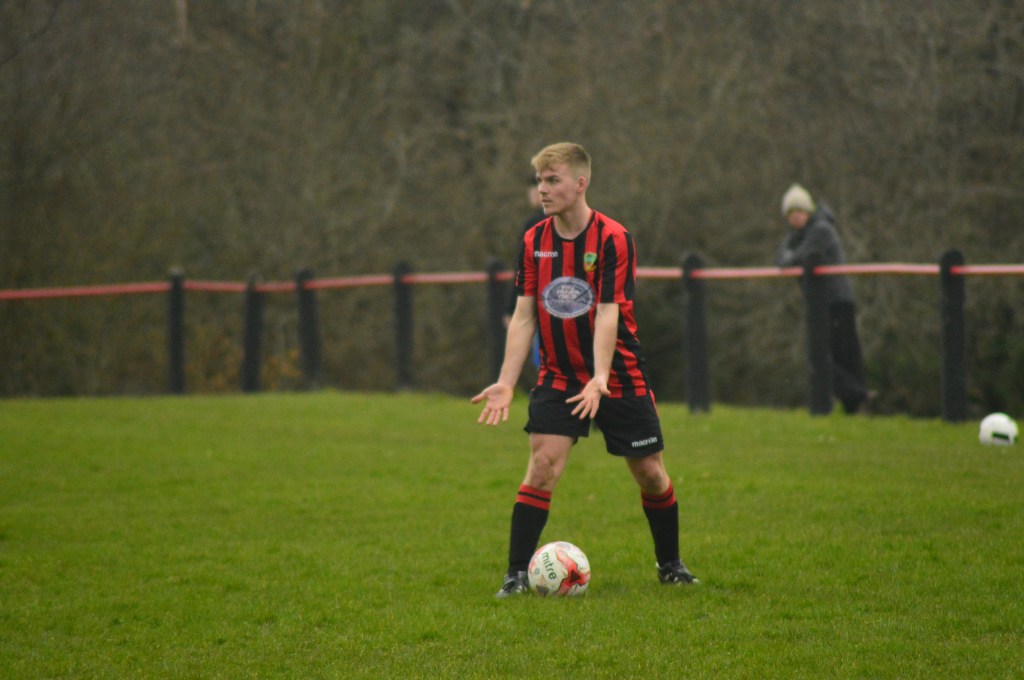
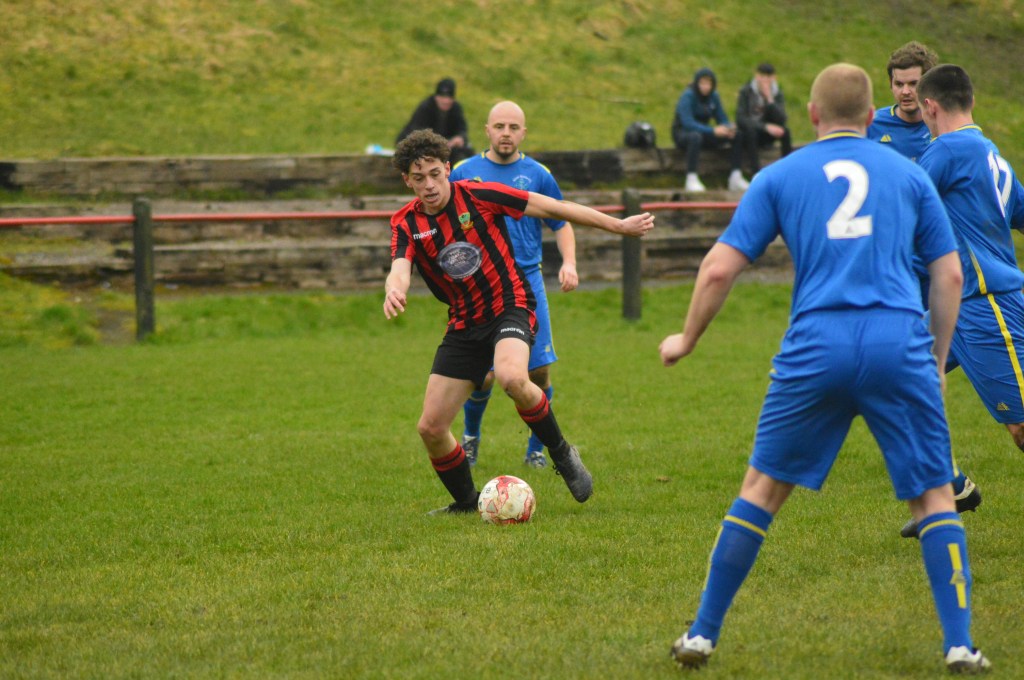
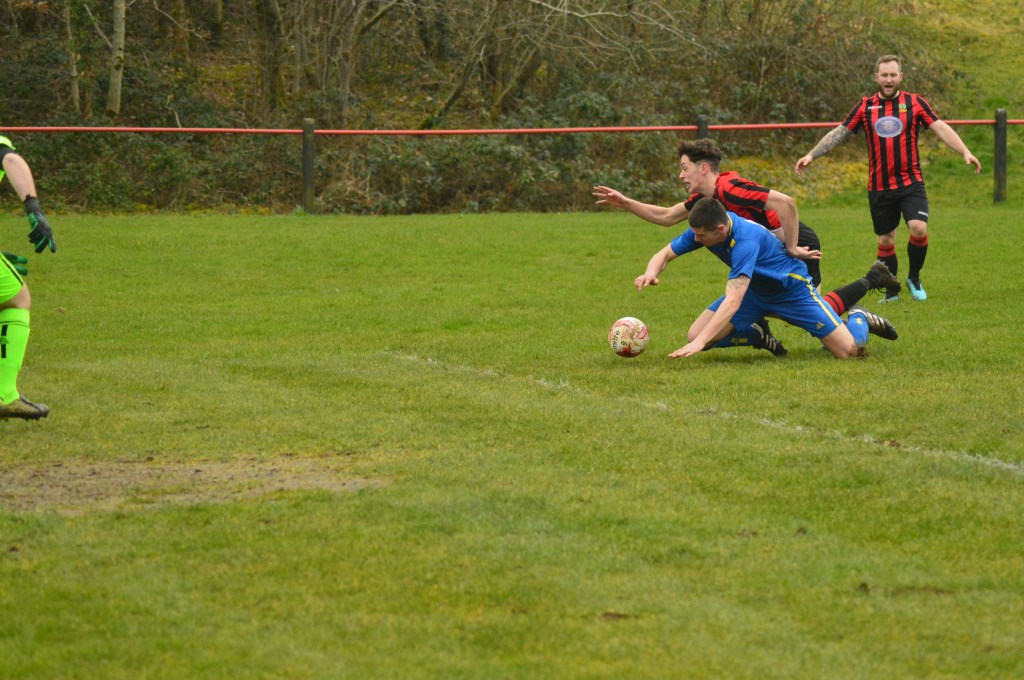
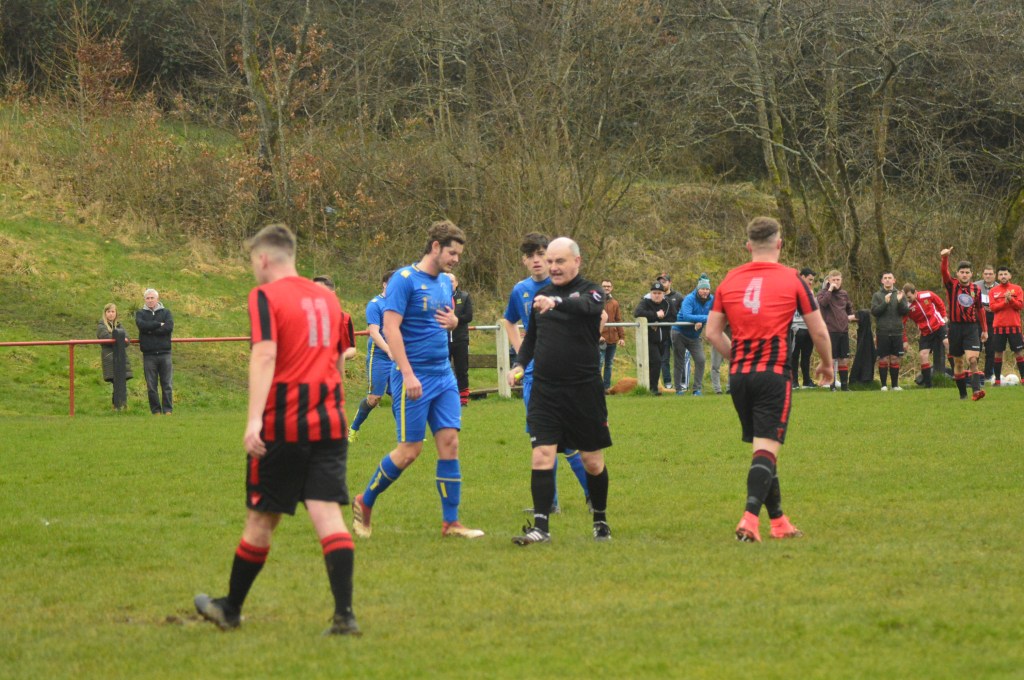
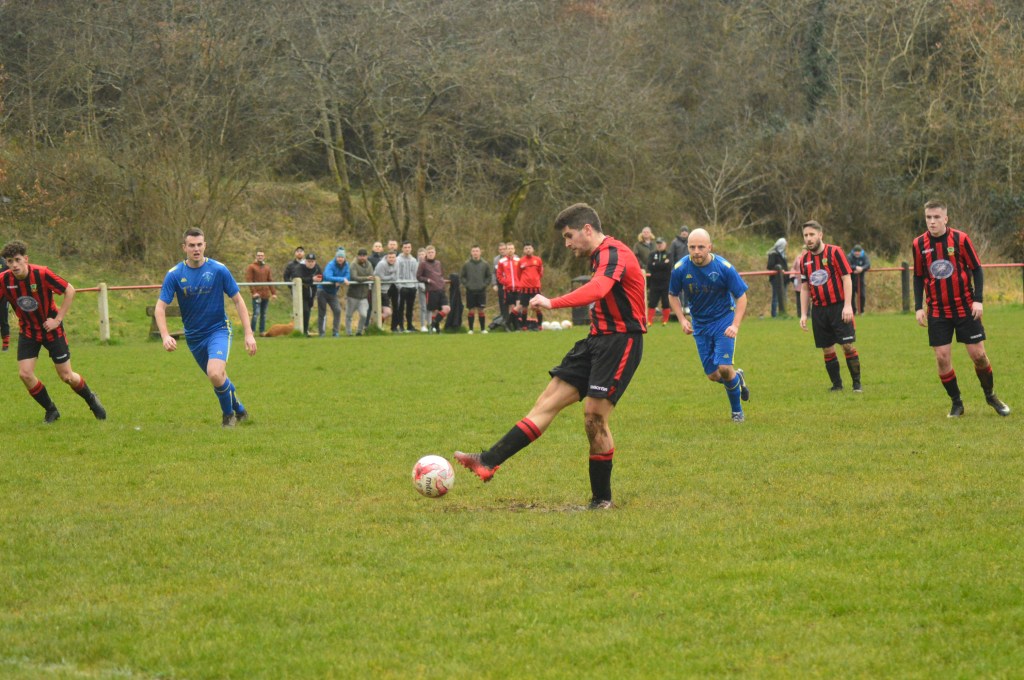
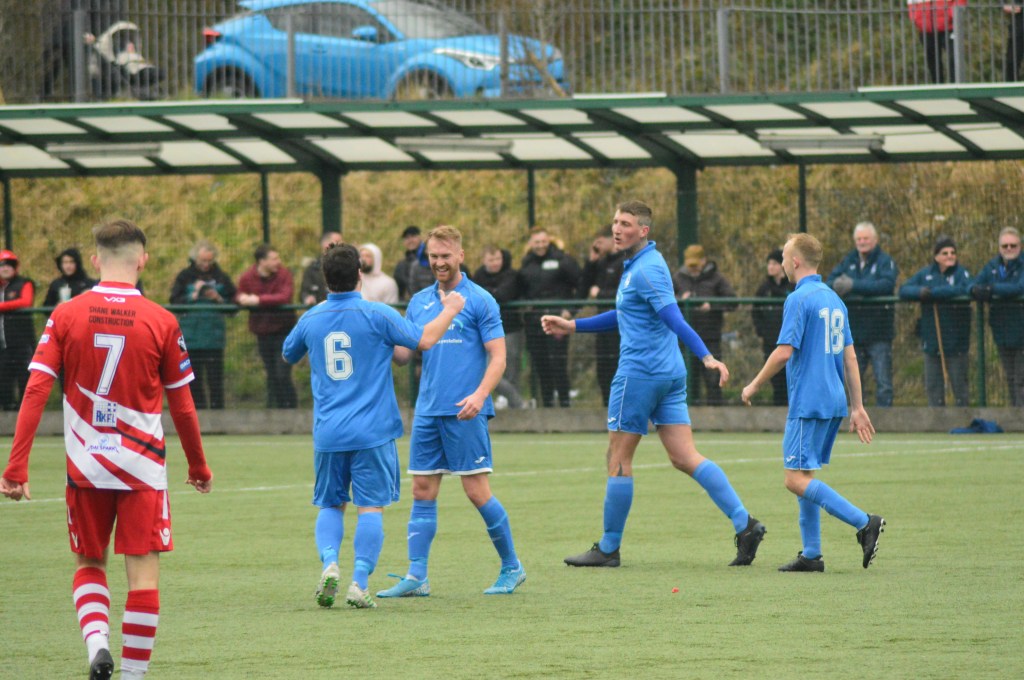
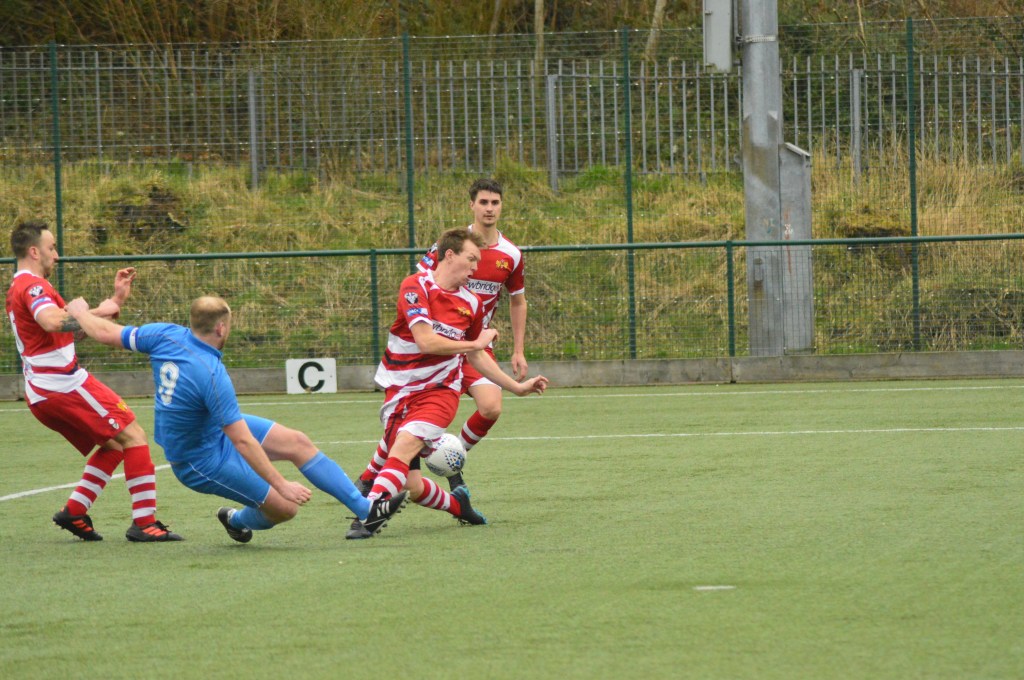
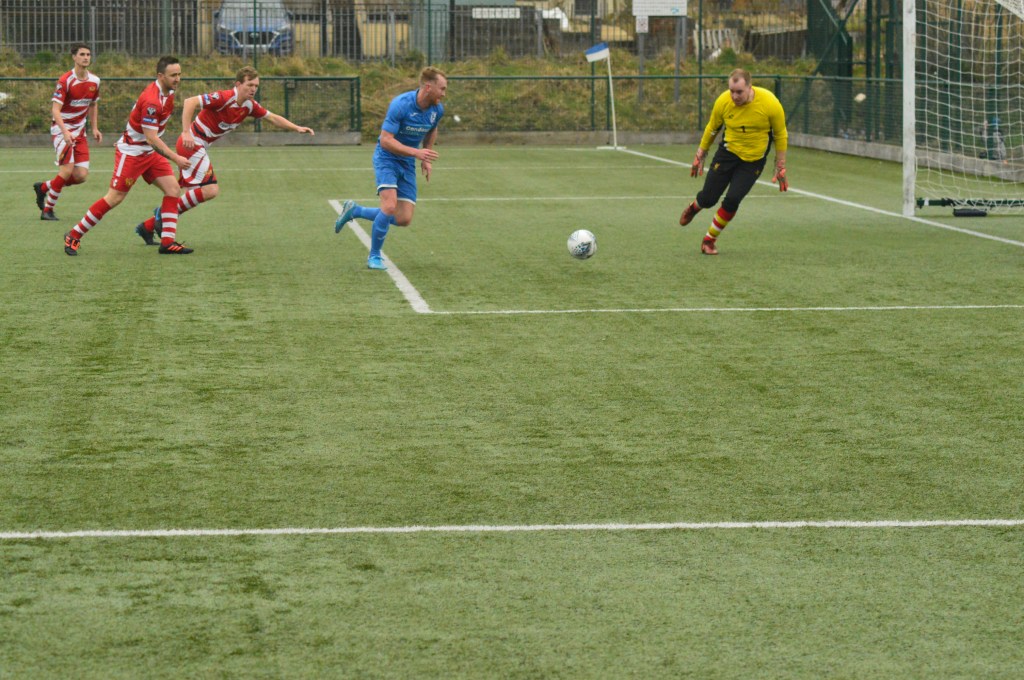
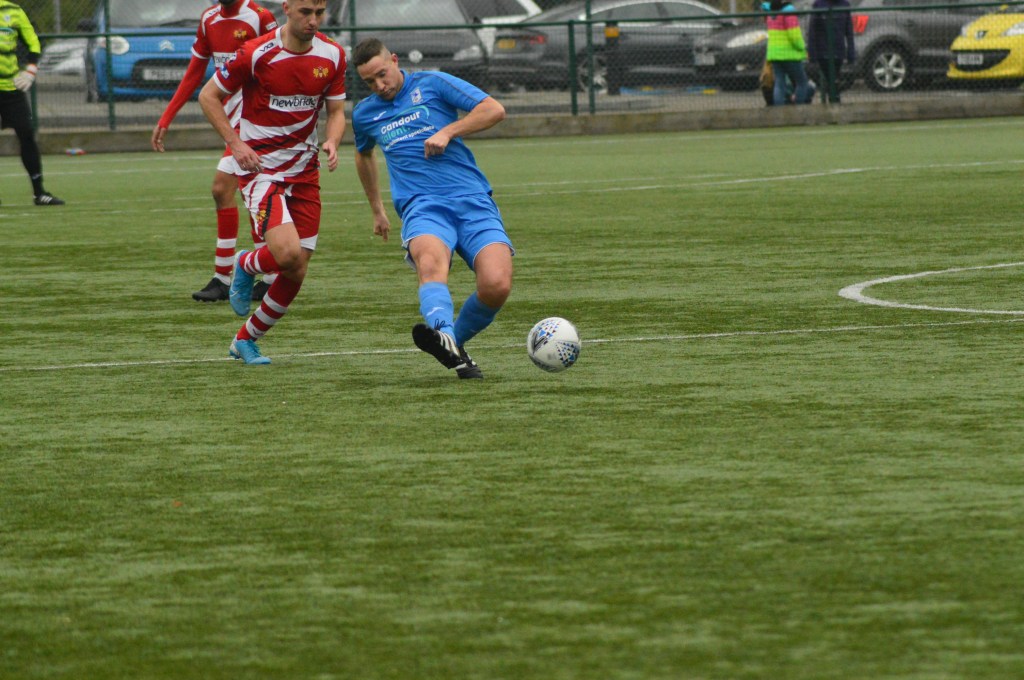
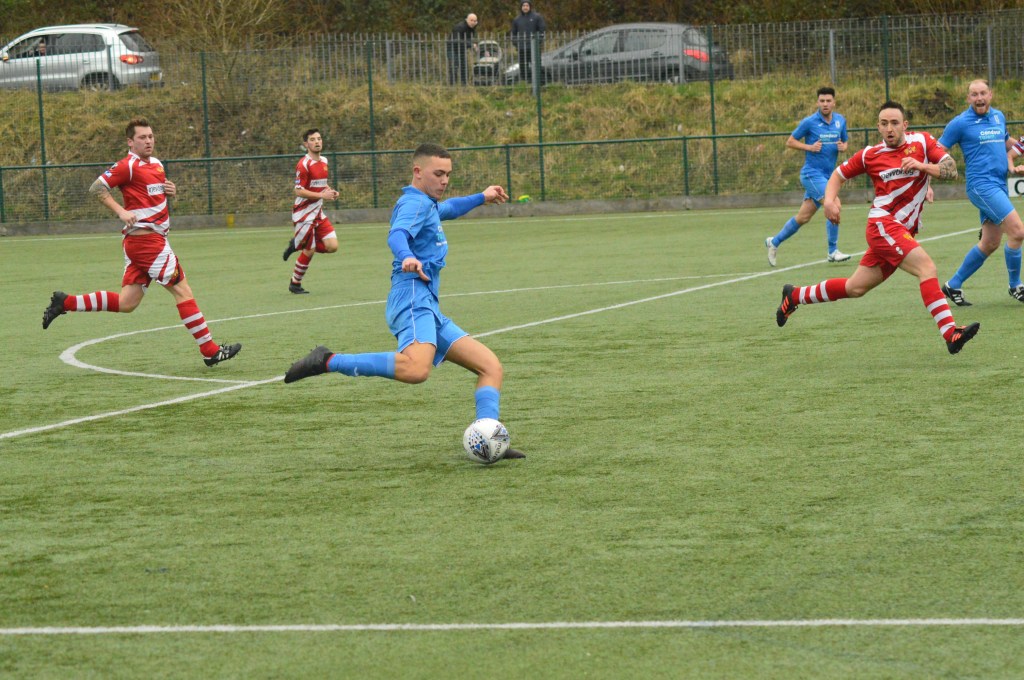
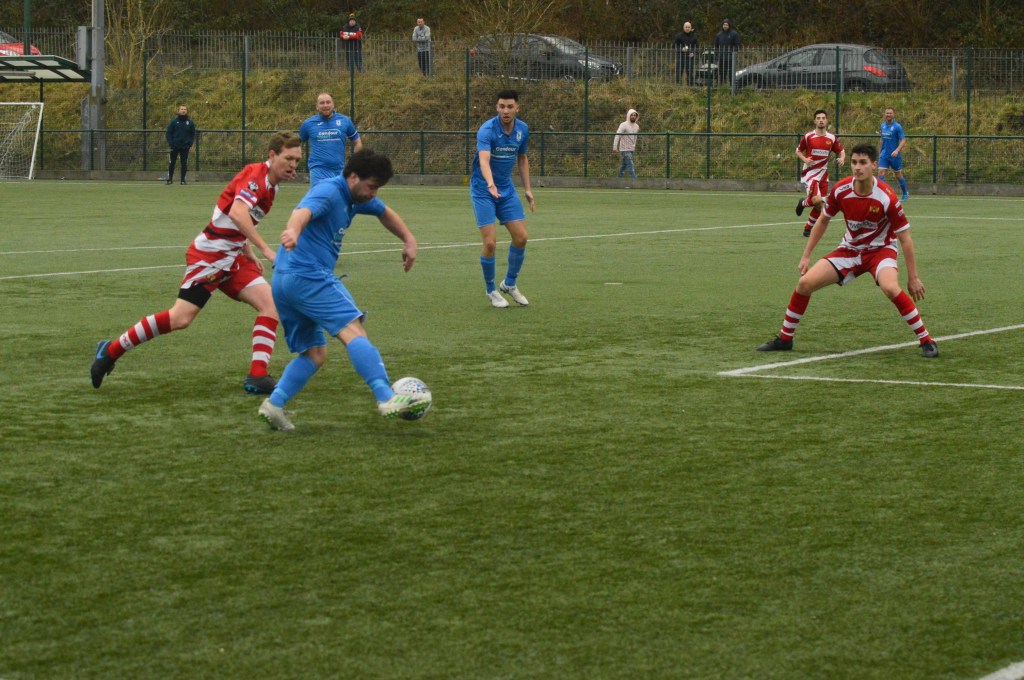
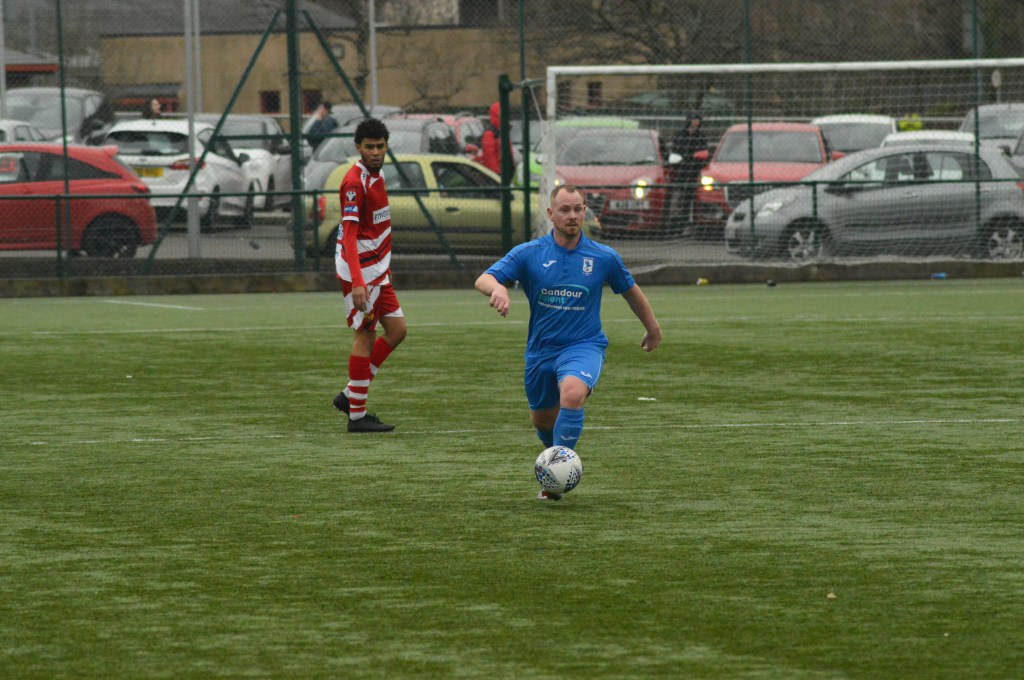
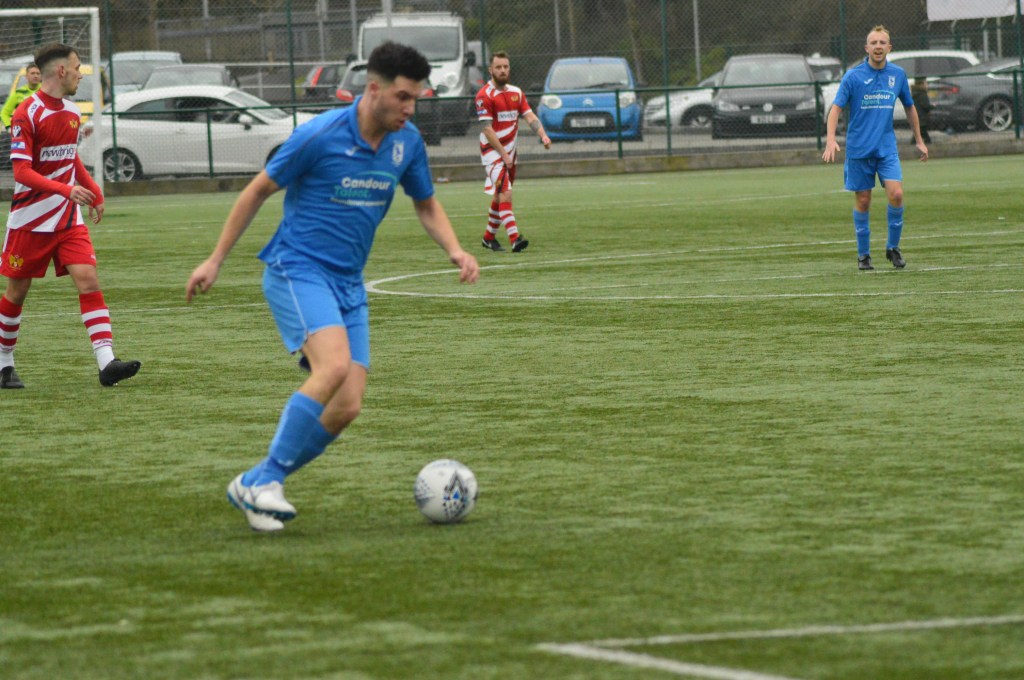
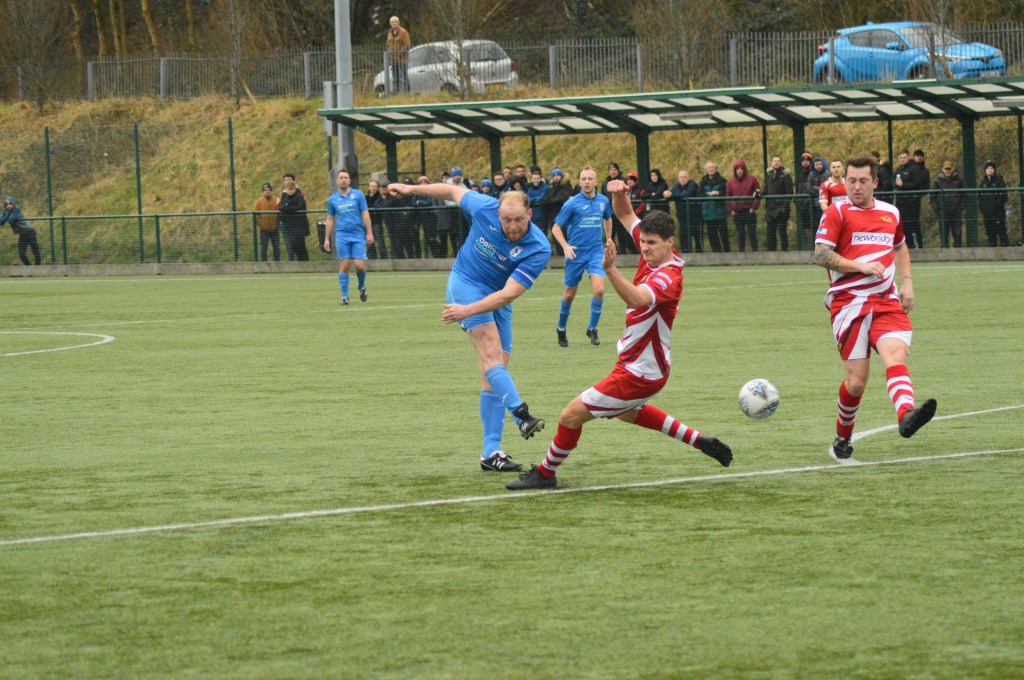
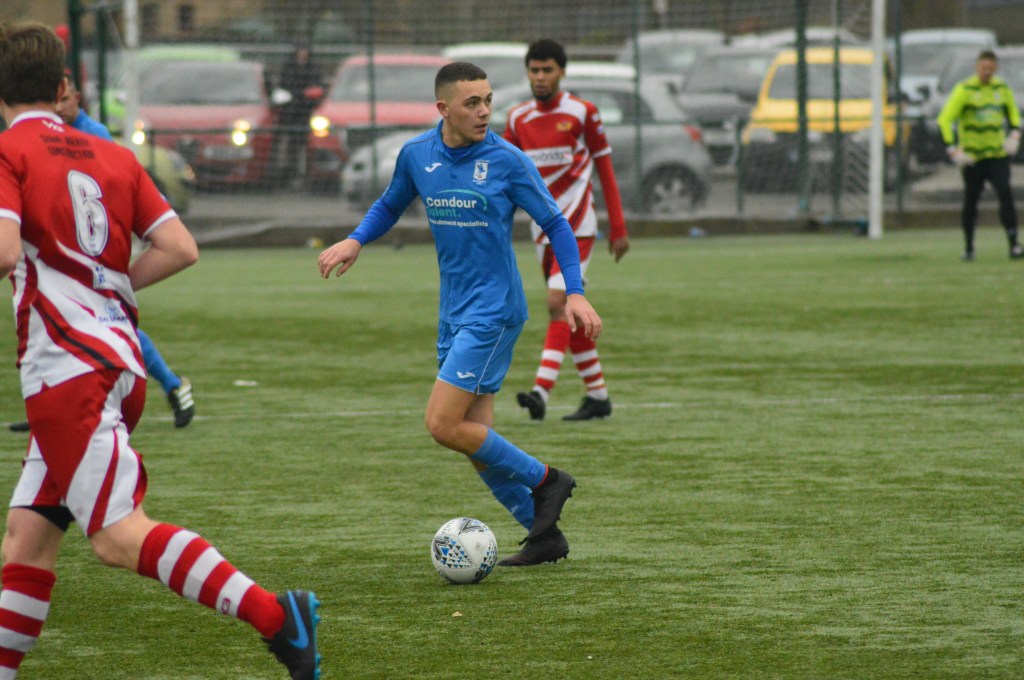
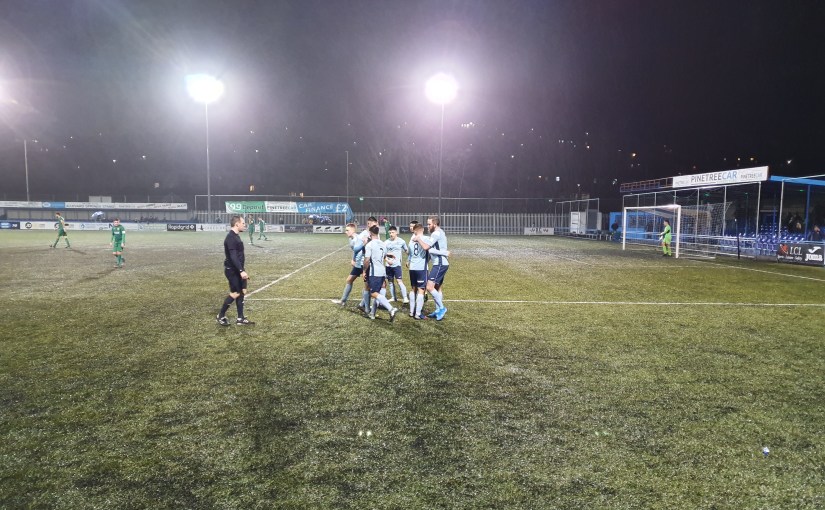
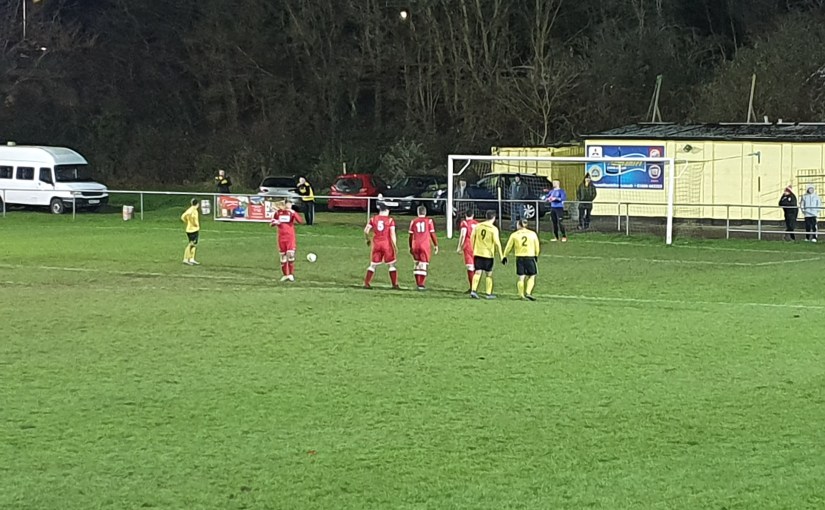
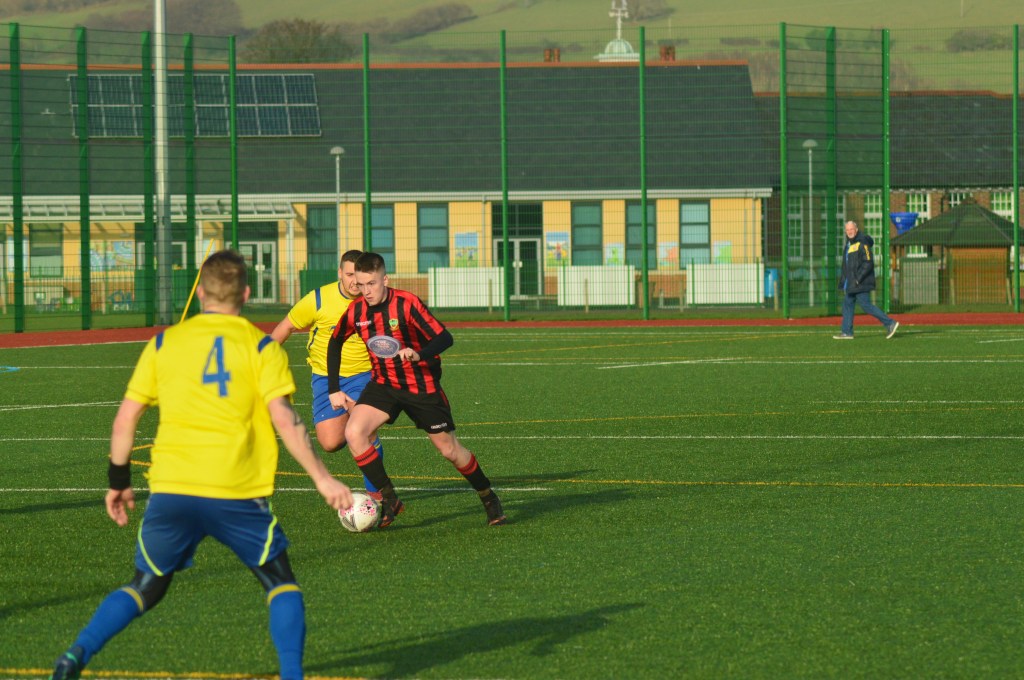
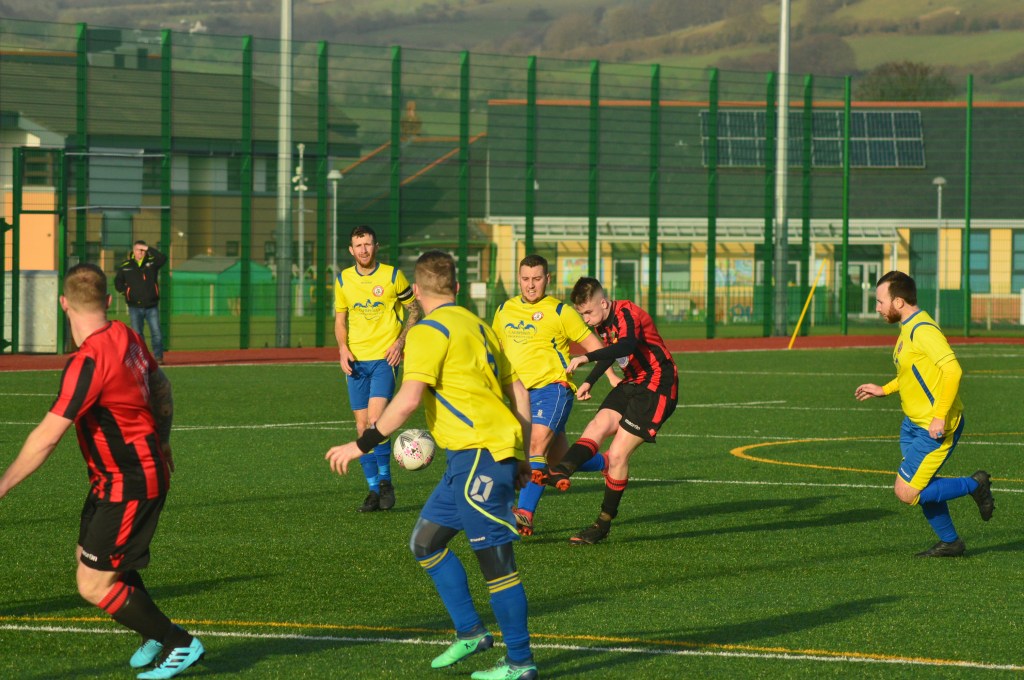
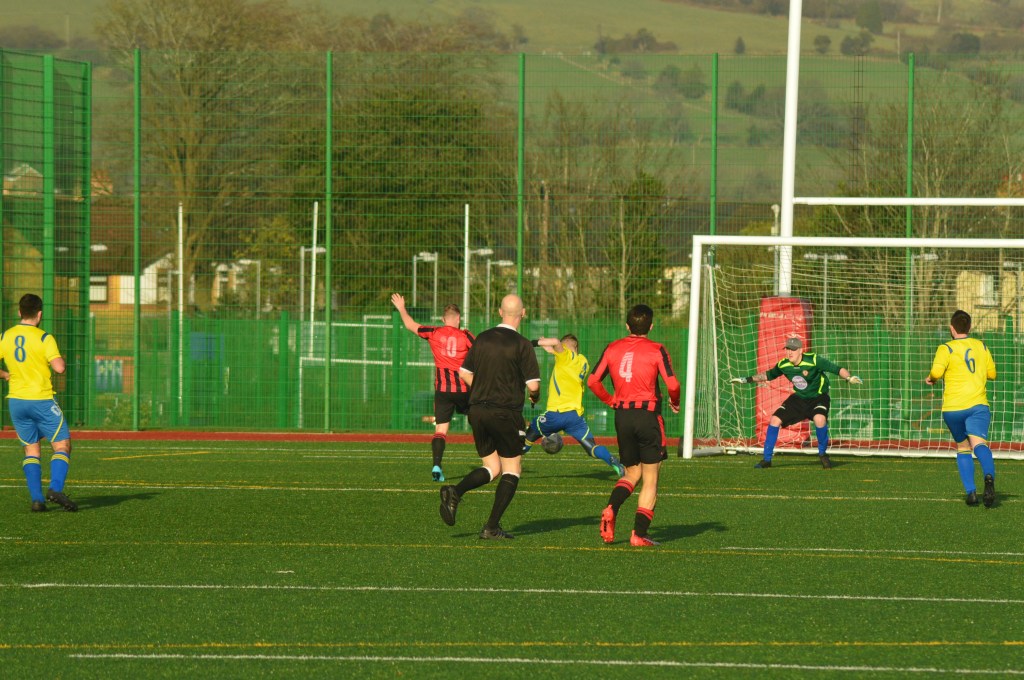
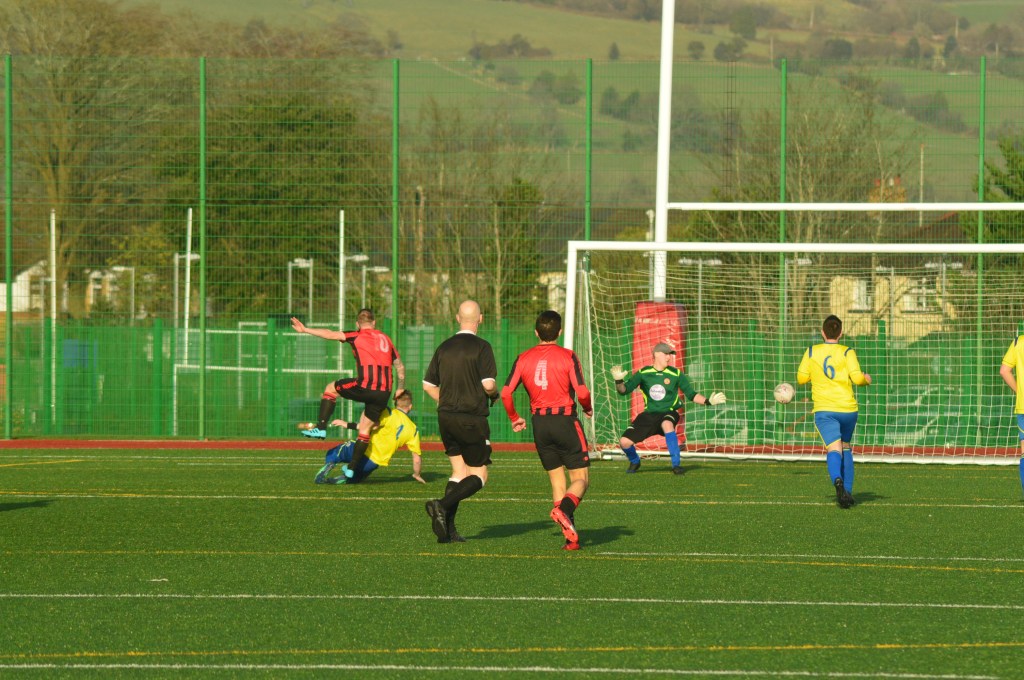
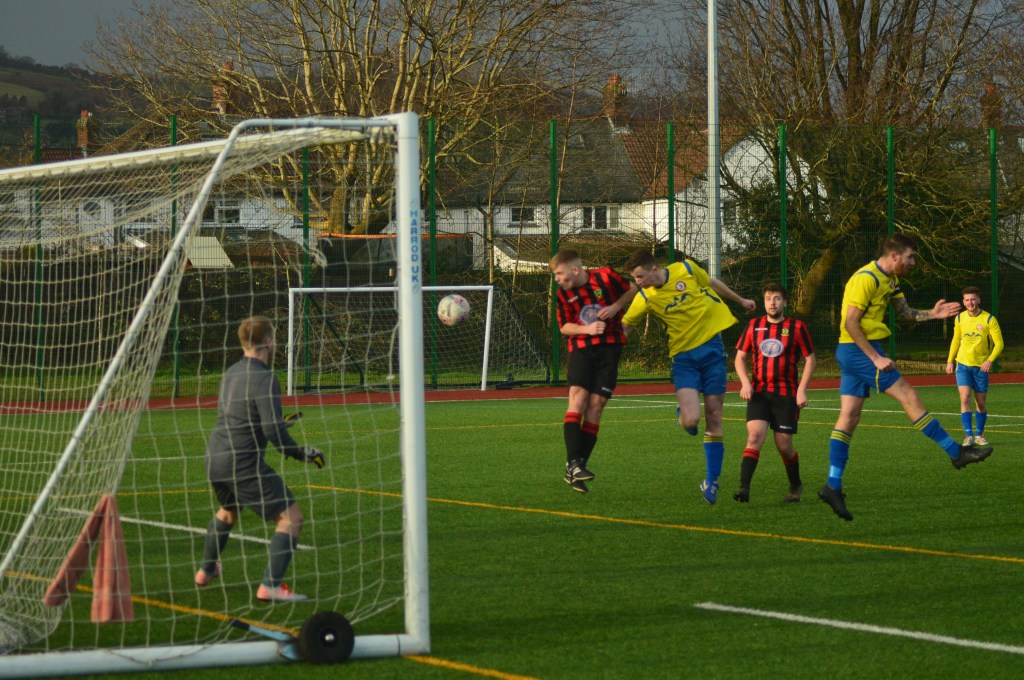
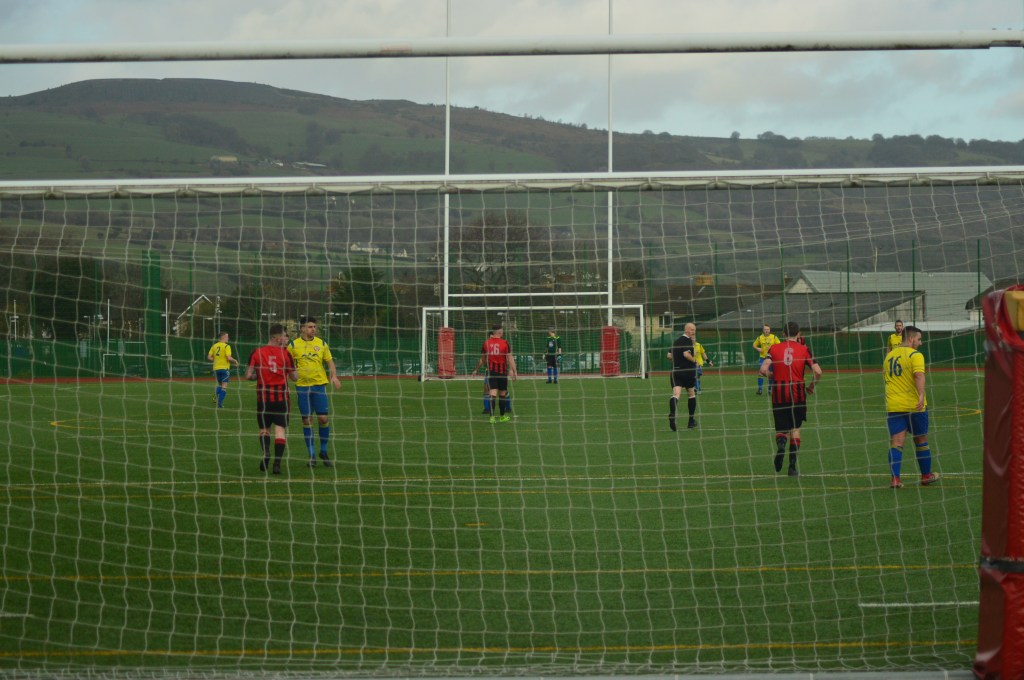
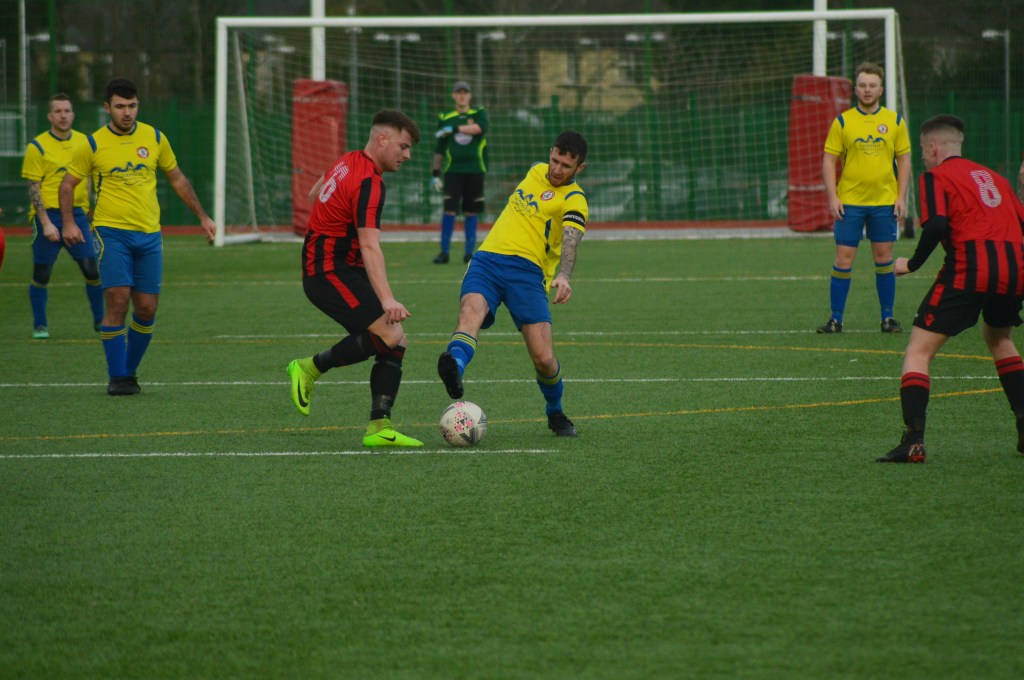
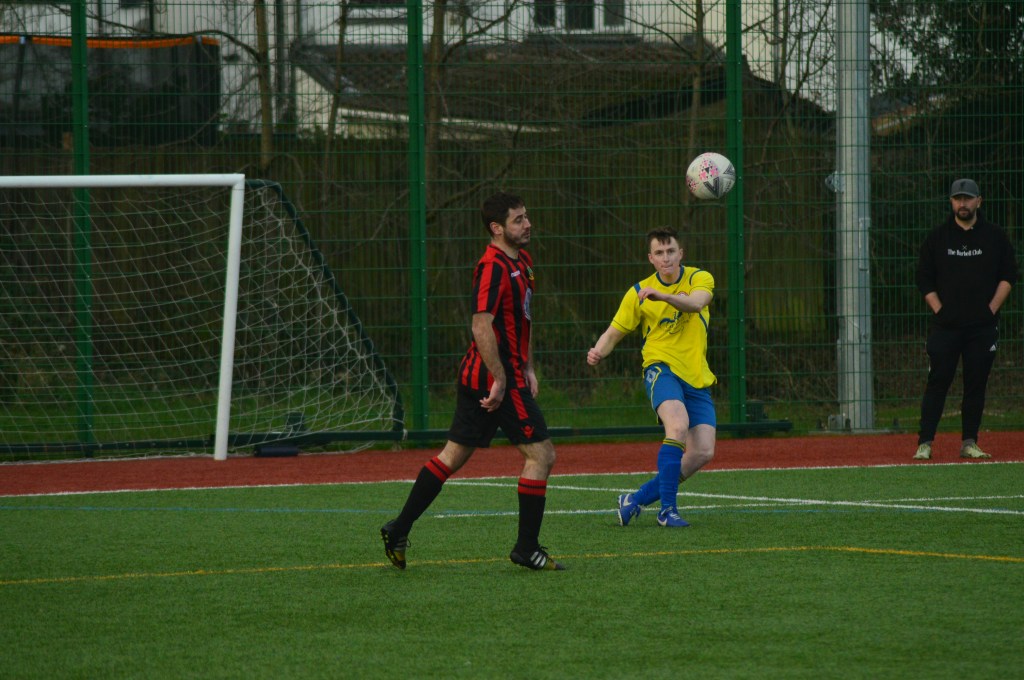
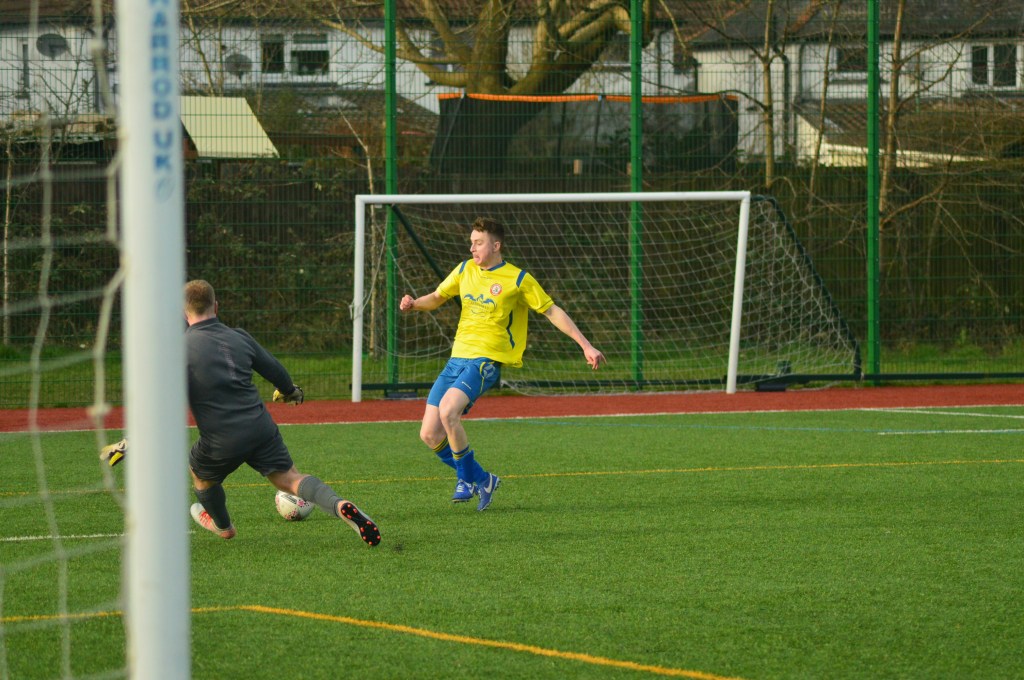
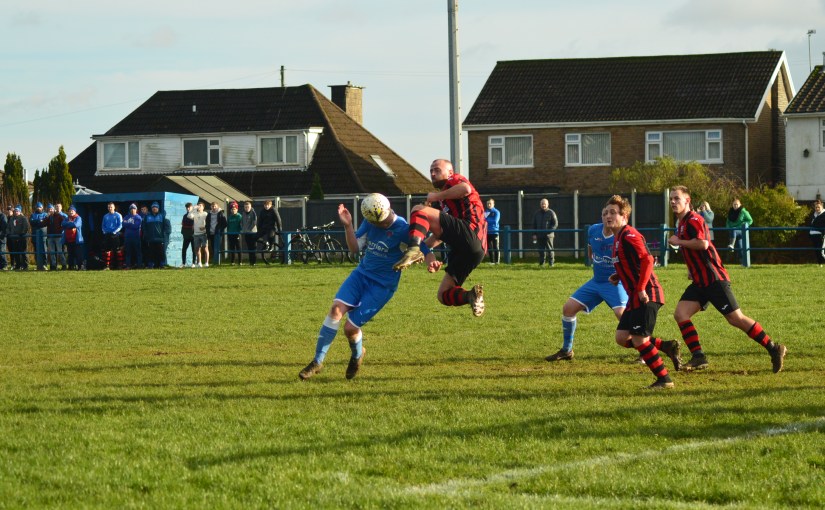
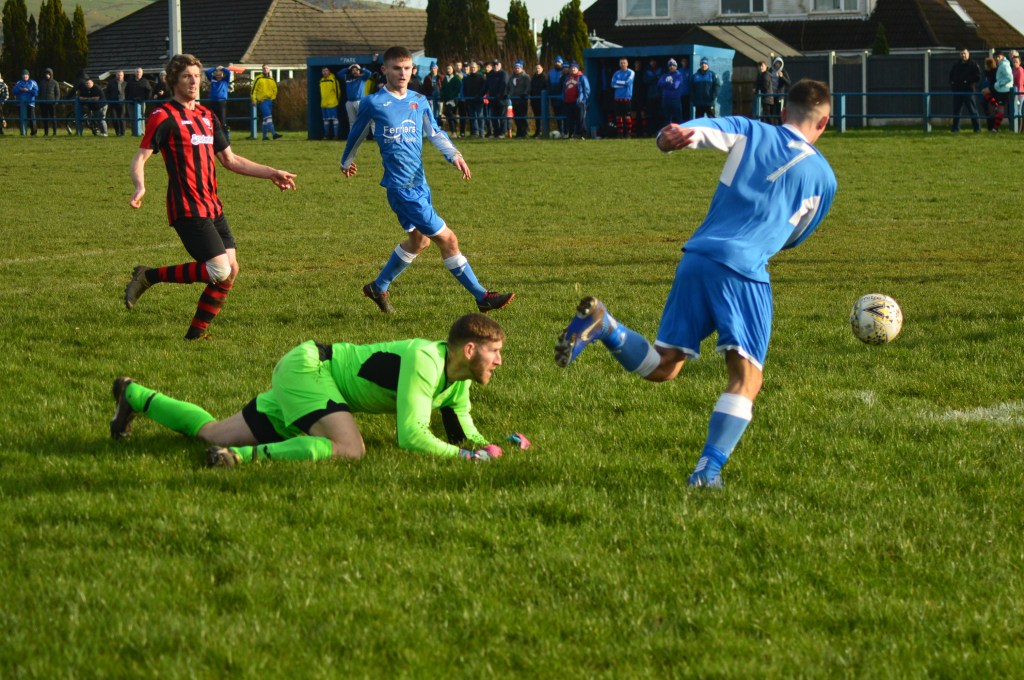
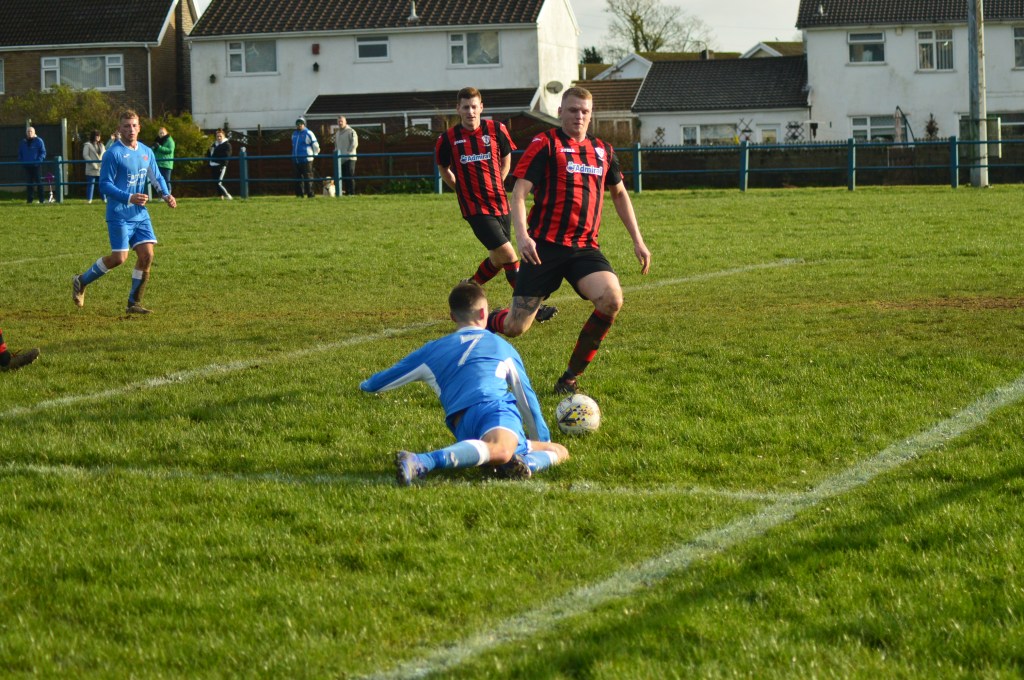
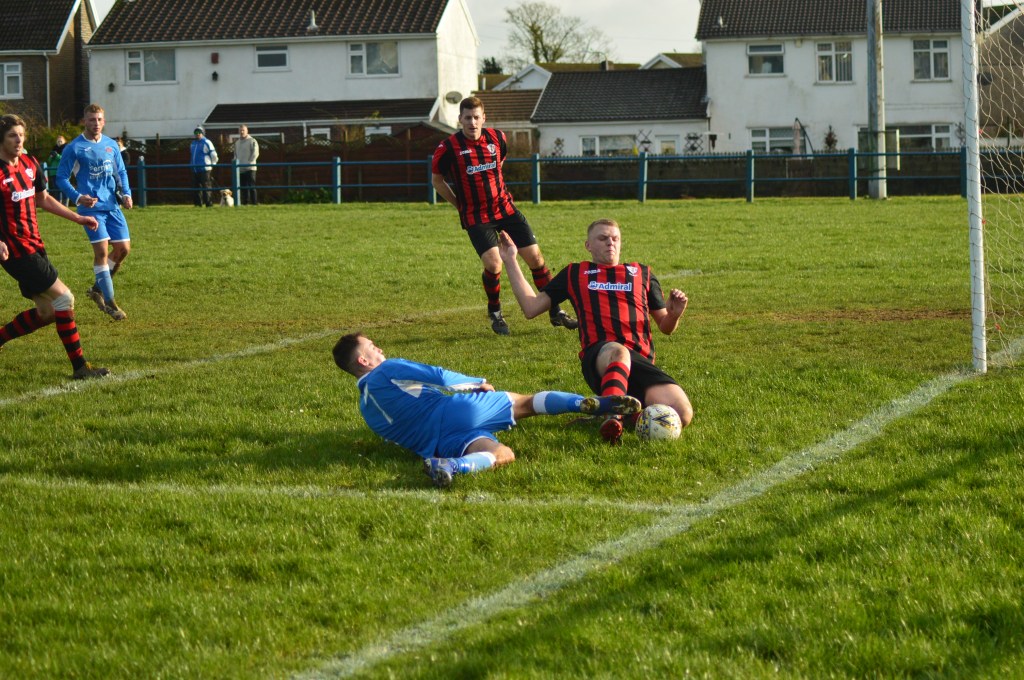
The game didn’t disappoint, ebbing and flowing as you might expect between two evenly matched sides. Nelson had the better of the first quarter of the match, Liam Dellanna had already been denied by a brilliant point-blank save before he won the penalty that allowed Dan Falconer to break the deadlock for Nelson. The goal sparked the Barry side into life though and they were the stronger outfit as the game headed towards half-time. Adam Bowsher’s poached finish to level the scores was no more than they deserved at the break.

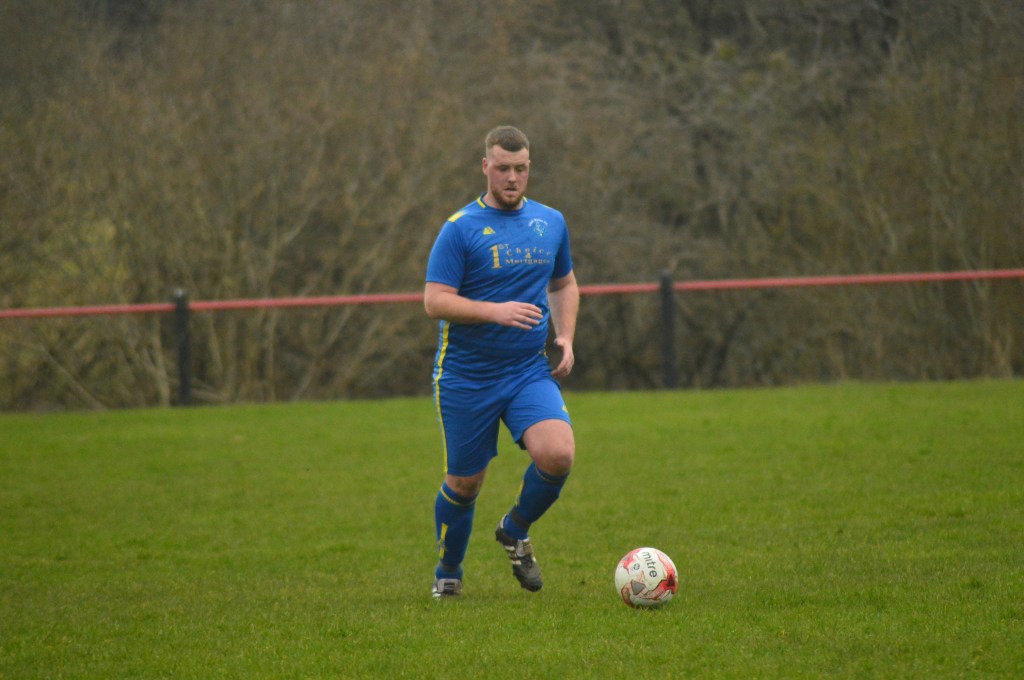
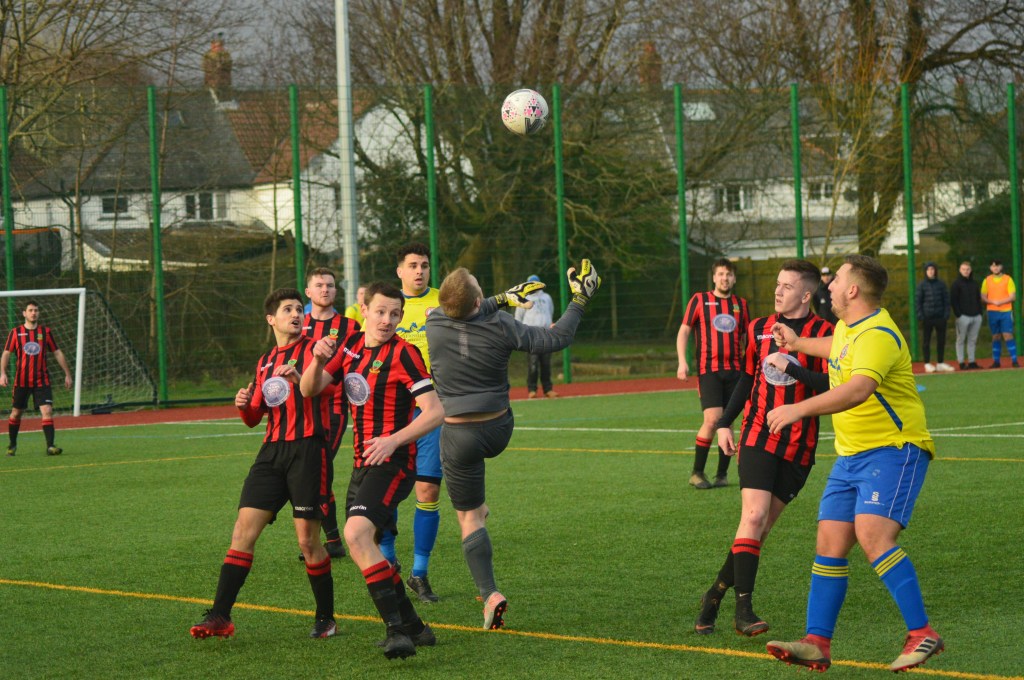
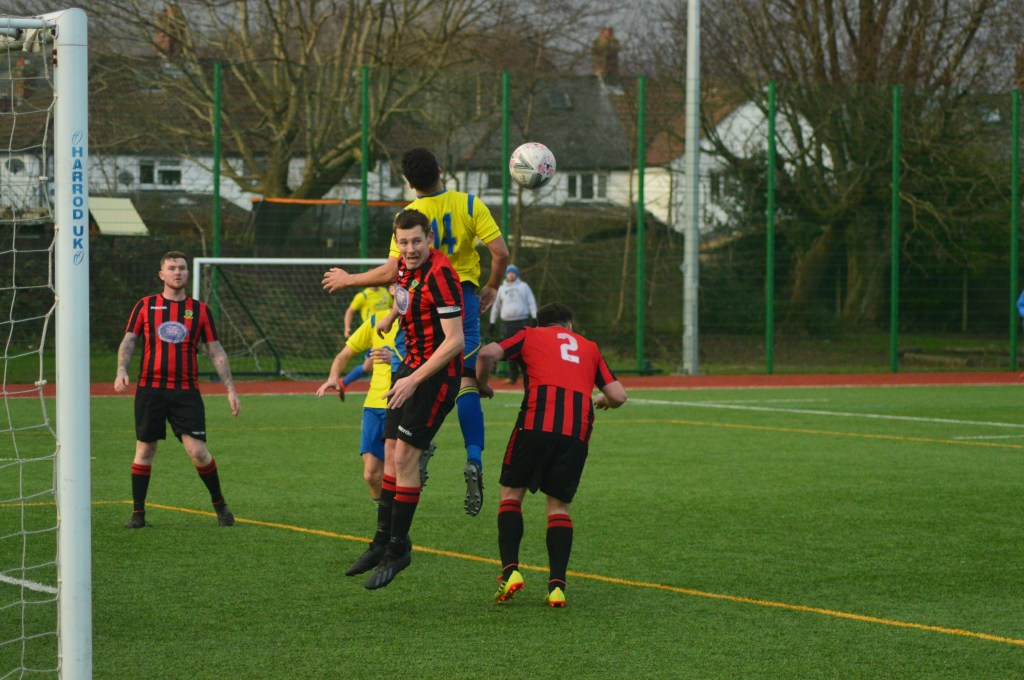
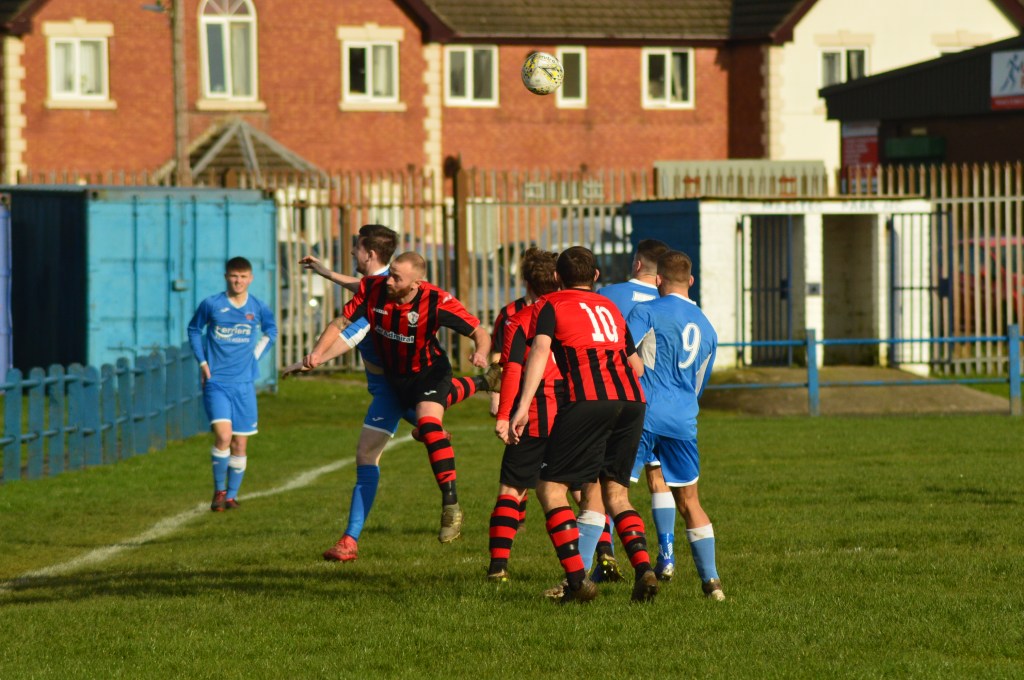
After an early second half chance was squandered by Marine’s Joe Mellars, Ryan Donovan restored Nelson’s lead from Dellanna’s cross and for a long time this looked like it would be enough for the homesters but a scrambled equaliser from Sam Adamson set-up and end to end finale. Both sides had chances but Nelson took theirs. Cameron Szpadt edged them ahead with a close range strike from a corner before Liam Dellanna capped his impressive display with Nelson’s fourth goal in added time to seal their win and keep alive their hopes of a quadruple this season.

Match notes
7.3.2020
Nelson Cavaliers 4-2 Island Marine
(Dan Falconer 22′ pen, Ryan Donovan 50′, Cameron Szpadt 86′, Liam Dellanna 90+2′; Adam Bowsher 31′, Sam Adamson 73′)
South Wales FA Senior Cup round of 16
Wern Field, Nelson
Attendance: c. 45 | Entry: Free (programmes £2)
Abertillery pushing to keep tier 3 hopes alive

I ‘completed’ the Welsh League last season at Kimberley Park in the shadow of the M4 on a balmy evening last May. Watching Albion Rovers beat Ynysygerwn 1-0 to retain their Welsh Football League status for another campaign meant I had watched a game at every Welsh League ground up to the end of the 2018/19 season.

An 18-month crusade along the full length of the M4 in Wales, along countless valleys A and B roads, hundreds of cups of coffee, too many windswept drenchings to remember but plenty of good memories and a lot of good – and bad – football consumed at nearly 50 grounds.

However, with annual promotions and relegations that ‘completed it’ status didn’t last long and the return of Abertillery Bluebirds and arrival of Ynyshir Albions from the Gwent County League and South Wales Alliance League respectively meant there were two grounds still to visit to regain that badge.

Of course, fixture scheduling this season has Abertillery and Ynyshir at home on the same weekend but also these games always falling on the same weekend as many commitments with Pontypridd FC. Ordinarily that wouldn’t be a big concern in Welsh football because there are always postponements and you can visit lots of grounds for midweek games in the spring. Abertillery Bluebirds play on 3G though, so I was running out of games as far as they were concerned.

Fortunately, the weather intervened in my favour as RCT council called off all football on grass pitches in the County Borough, postponing Pontypridd’s visit to Hopkinstown, I was free to head east over the valleys to the Ebbw Fach.

Unsurprisingly, Abertillery is a town steeped in south Wales’ industrial past with half a dozen deep coal mines around it’s vicinity as well as various other works. At it’s height the town’s population numbered some 40,000, although it is around half that nowadays. This part of the valleys is renowned for it’s narrow gorge-like landscape, with the towns and communities piled up the steep hillsides.

Abertillery Bluebirds are one of two clubs in the town (Abertillery Excelsiors being the other), formed in 1989 the club has mostly played at Gwent County level apart from a five-year stint in the Welsh League between 2009 and 2014. They returned to this level for this campaign having won the Gwent County League title last season. Their home ground is currently at Abertillery Sports Centre where they use the 3G football facility. The club’s spiritual home is at the Cwmnantygroes Six Bells, where the Bluebirds are returning next season as part of their bid to meet the incoming FAW tier ground criteria (which the Sports Centre ground won’t adhere to).

Should Abertillery Bluebirds be successful in their application to play in the new FAW tier 3 leagues, Cwmnantygroes will be a welcome ground on the circuit for groundhoppers because it is as picturesque a setting as you will probably find in this part of Wales.

The Bluebirds are making a good fist of their return to the Welsh League in it’s final season. Lee Thomas’ side sit in the upper reaches of Division Two with the possibility of finishing near the top of the division. However, it is very tight in the top 7 and with such a discrepancy in games played among the sides, it is difficult to predict exactly who are the front-runners. Visitors Treowen Stars are scrapping away in the lower reaches of the table.

League position is even more important for clubs at this level this season. The new FAW tier 3 leagues will condense the existing eight divisions at tiers 3 and 4 across Wales into four regionalised tier 3 divisions – SE/SW/NE/NW. There will be 64 places available in the new tier 3, but 93 clubs have applied. My understanding is criteria + sporting merit will determine which sides are included, with priority given to clubs already playing at tier 3. Fifty-four current tier 3 clubs have applied and if all are successful in achieving the criteria that will mean just 10 places for applications from tiers 4 & 5 (39 have applied). There are going to be a lot of disappointed clubs at the end of this season; some that may forced back into “recreational” leagues despite achieving a relatively high position in their respective league.

We all await the outcome of the Tier 3 Certification applications in April with some enthusiasm.

In this game Abertillery did their bid to stay in the mix with the frontrunners no harm. Luke Lewis completed his hat-trick inside the opening 20 minutes, including a fine header for his third, and Treowen never really looked like they would mount a comeback.

There was a lot of effort on both sides but the game felt largely like a procession to the final whistle until a flurry of activity in the final quarter after Tommy James had been sent off for Treowen. Daniel Suter scored an excellent goal for the visitors that had a few home eyebrows raised but Bluebirds substitute Thomas Beynon put paid to any thought of a grand finale within a minute when he restored the three-goal cushion from close range.

Charlie Davies then scored a potentially offside goal to make it five before Chris Jones at least earned the consolation of the scoring the goal of the game: a beautifully curled free kick from outside the box.

Match notes
22.02.2020
Abertillery Bluebirds 5-2 Treowen Stars
(Luke Lewis 10′ 15′ 20′, Thomas Beynon 69′, Charlie Davies 72′; Daniel Suter 68′, Chris Jones 86′)
Welsh Football League Division Two
Abertillery Sports Centre, Abertillery
Attendance: c. 70 | Entry: £3 (free programme on admission)

Prosser gives Cambrian a new cutting edge

Like others no doubt, I really thought this might the season for Cambrian & Clydach Vale BGC to challenge again for the title at this level of football. It’s been nearly 8 years since their solitary Welsh Football League triumph and the club has undergone a massive transition in that time; the first team now enjoying the fruits of the seeds they began planting when their academy was set-up around a decade ago.

Last season was a breakthrough campaign for the Rhondda club, manager Dane Williams leading his charges to a 2nd place finish in what was then Welsh League Division one (it is now the Cymru South), a well-publicised run to the final of the Nathaniel MG Cup and the quarter-finals of the Welsh Cup. In the summer, attackers Leon Jacka and Sam Johnson were added to the squad and although they lost captain David Thomas and Joe Evans to Cardiff Met (Thomas has since returned to Clydach Vale), the balance of the squad looked good enough for a challenge.

After winning the first five league games it looked like my prediction was spot on but a barren run of form that saw the side win just once in 11 games during the autumn months saw them drop into mid-table. Three wins in four before this game had boosted their league position but there won’t be a title challenge this time around.

Their visitors, Cwmbran Celtic, are in real trouble. Although they have been a team that has held their own since they returned to the second tier of Welsh football three and half years ago, their league position has declined every season since a club record 6th-placed finish in 2017. The club haven’t really been able to stabilise on the pitch since Lee Challenger stepped down as manager last season. Former Monmouth Town manager Nicky Morgan tried but left the club last month with club playing veterans James Kinsella and Owen Cook currently overseeing a side languishing in the bottom three and at real risk of relegation.

Here it was evident to see why they are struggling, making little impact against a Cambrian side that are always strong at home; or they are when I visit. This was my 10th time watching Cambrian and this was the 9th victory they recorded with me in attendance and a combined aggregate score of 27-5. Maybe they should employ me as a full-time lucky charm, or at least try and do something about the weather! It always seems to either be raining or blowing a Baltic gale when I venture up to their 3G ground.

They didn’t let the weather dampen their performance here though, running out comfortable winners on the night. Sam Jones opened the scoring as early as the sixth minute and the Rhondda men never looked book back. Ryan Prosser – recently recruited from Merthyr Town – scored a brace to seal the victory, consisting of a superb individual effort in the first half and a fine finish to cap a lovely flowing team move on the hour.

Dane Williams may well be wondering what might have been had Prosser been signed earlier. The hitman has struck 5 times in 3 consecutive wins for Cambrian since he joined from The Martyrs and definitely seems to have brought a new dimension to the attack with his skill, physicality and ruthlessness in front of goal. The Cwmbran Celtic defence certainly had no answers to his threat and will no doubt hope to produce much better in the games ahead.

Match notes
21.02.2020
Cambrian & Clydach Vale BGC 3-0 Cwmbran Celtic
(Sam Jones 6′, Ryan Prosser 16′ 59′)
JD Cymru South
M & P Group Stadium, Clydach Vale
Attendance: c. 80 | Entry: £5 (free programme available online)

Wellmen’s young men leading club’s fightback?

The last couple of years have been rough for Taffs Well. Let’s be honest the club has been a bit of basket case when it comes to competitive senior football. Managers and players have come and gone like the shifting of the weather. In fact there have been too many managers, probably 8 or 9 if you include caretaker roles. It got to the point where the resumption of the club’s membership in the third tier of Welsh football for the first time since 2004 looked inevitable (and it’s still a possibility).

This has all come in the midst of a few ground-breaking years for the club. Three times they have hosted lucrative friendlies with English Football League side Cardiff City, attracting thousands of fans to Rhiw’r Ddar for those moneyspinners. As a result, Taffs Well have been able to launch what I presume, due to FAW funding rules, is an entirely self-funded academy to compliment an already strong youth team set-up.

But the senior side has been sliding backwards.

The appointment of Lawrence Badman as Steve Williams’ successor (sacked last November) in January has seen a recent upturn in results. Following 10 defeats in the previous 11 matches, The Wellmen have hit back with 7 points from their last three fixtures. Whether this is a familiar jolt of forward momentum amidst the decline or truly the start of a turnaround remains to be seen.

I watched them lose 6-0 at Pontypridd Town last month and as that result would suggest they absolutely dreadful that night. It couldn’t have been easier for Pontypridd and Taffs Well couldn’t have done any more to make the Cymru South nomads look better. Something has definitely changed between then and now because in this Cymru South encounter against Undy Athletic there was at least some work-rate and desire from the Taffs Well players to give the side a platform from which to play. There wasn’t very much of that at USW 3-4 weeks ago.

One thing Taffs Well have had to deal with, as well as the upheaval in the dugouts, is a loss of some experienced players. The likes of Jason Bertorelli, Jacob Isaacs and Jack Fox have all departed over the winter, and while a few familiar veterans remain or have joined, there seems to have been a move towards bringing through and into the first team younger, hungrier players with something to prove. You cannot judge the entire picture from one look but it was noticeable in this game the prominence of four young players in this improved display.

Anyone who has been following the Cymru South/Welsh League division one for the last 12 months or so will be aware of Jordan Carey. The 20-year-old attacker broke into the side last season and has been practically ever-present since. His physical stature may be slight but his presence on the pitch is large. His energy is relentless and should be infectious among his team-mates but he possesses real quality to go with it. Impressive though is his mentality; despite his lack of experience he never gets himself down about mistakes, always looking to be involved and take responsibility in the game. I suspect already there are several clubs watching him.

Dylan Jones (18) is another great hope for The Wellmen. A very talented ball-player with very good technical ability and the ability to create time on the ball; I’ve heard some at Rhiw’r Ddar are even more excited by his potential than Carey’s. Carey and Jones were complimented by two other stand-out young players on the night: Thomas Gameson (22) and Liam Martin (20). Gameson has arrived from Aberbargoed Buds I believe, has very good feet and a big personality on the pitch. Martin, before being sent-off, looked a very composed figure and another player with good ability on the ball, as you might expect from a player that has previously been involved with Bristol City’s academy.
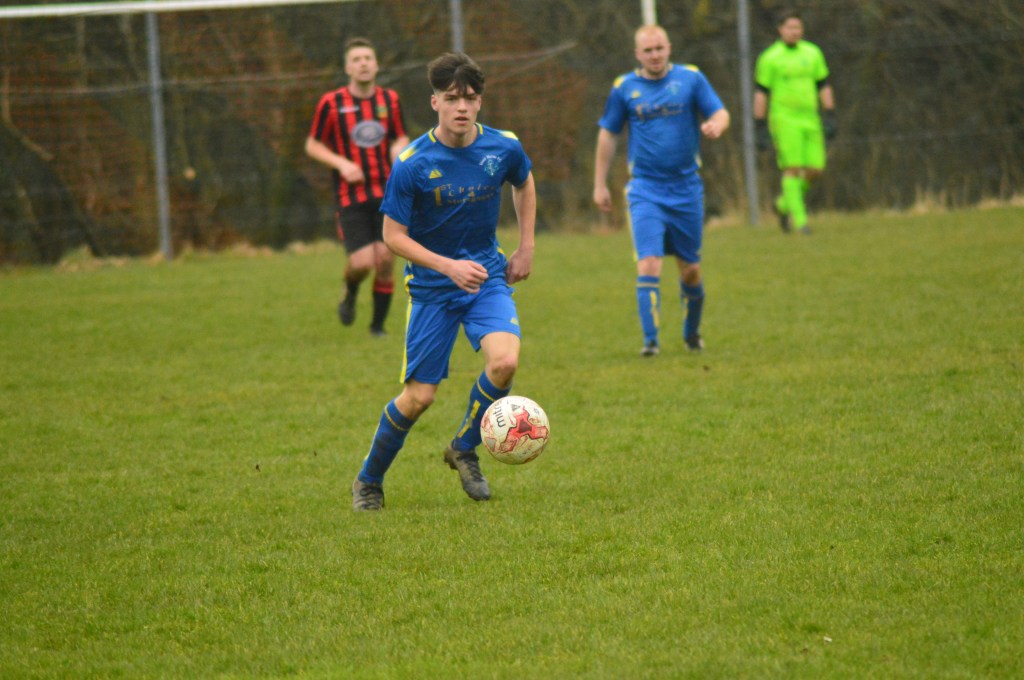
On the night, Taffs Well definitely merited the win against an Undy side that is always well-organised and competitive at this level. The Wellmen dominated most of the play from the off with Undy always looking most likely to threaten from mistakes and counter-attacks.

Carey was involved in practically all of Taffs Well’s best moments in the first half and probably should have done better with a couple of opportunities that came his way. Undy came closest though in a goalless first half, a drive from midfield beating Cael Jones but hit the top of the crossbar.

When Martin was sent-off early in the second half for a poor tackle it looked like the game might swing the way of the visitors, but Cymru Premier ref Gavin Townsend flashed his red card again within 90 seconds, showing a straight red to Undy’s Rhys Aherne, presumably for what was deemed another dangerous tackle.

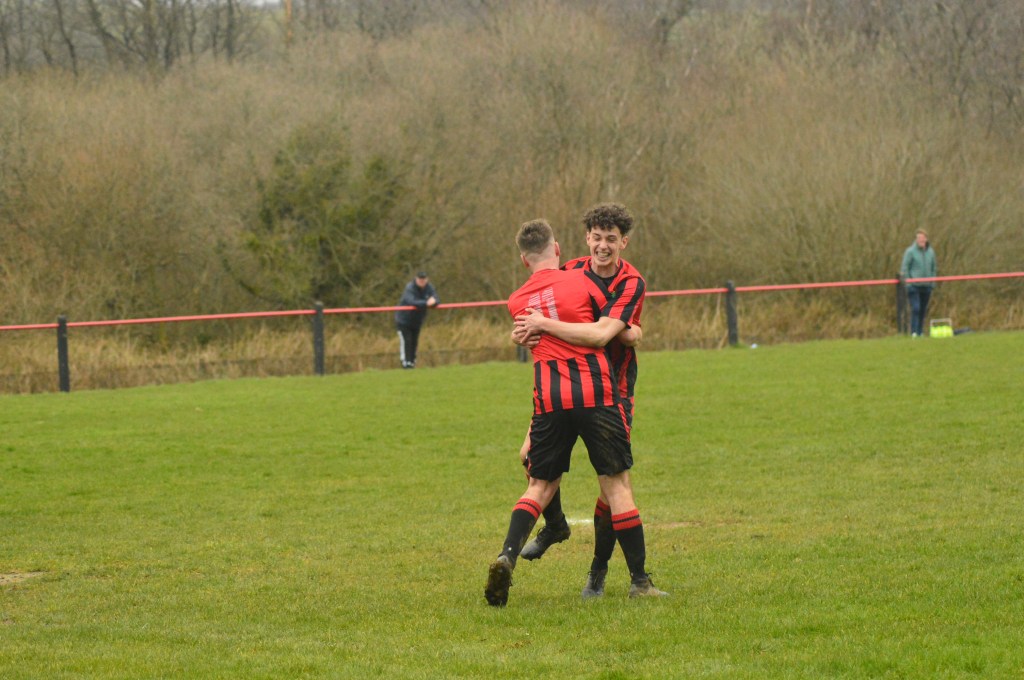
With parity restored in terms of personnel and more space on the field, Taffs Well went on to secure the win. Carey scoring first from the penalty spot before Richard French scored with a close range header to seal the points. An excellently struck free-kick from Ollie Smith (another talented young player at this level) in injury time threatened a late comeback but there was little time for Undy to mount any pressure so the points, deservedly, went to the home side and took them out of the potential relegation places.
Match Notes
11.2.2020
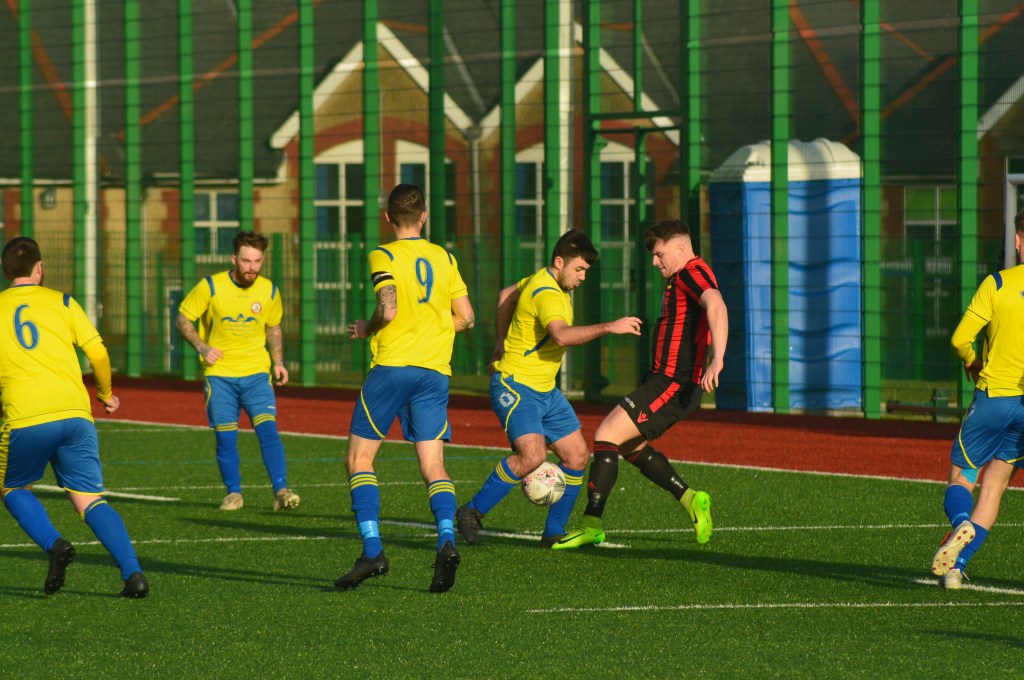
Taffs Well 2-1 Undy Athletic
(Jordan Carey 70′ pen, Richard French 89′; Ollie Smith 90+2′)
JD Cymru South
Rhiw’r Ddar, Taffs Well
Attendance: 55 (approx) | Entry: £5

Treharris Athletic Western looking forward and not just back to the past.

Among groundhoppers interested in Welsh football there are two grounds that historically capture the imagination in south Wales to such an extent it’s something of a badge of honour among those that have “bagged” those grounds to have done so.

“Have you been to Garw?” “Did you ever go to Treharris?”

Blandy Park and the Athletic Ground were two of the most sought after south Wales grounds. Blandy Park in the Blaengarw valley still stands, captivating and alluring hoppers from all over; new and old visitors. Sadly, the Athletic Ground in Treharris is no longer with us. The changing rooms and stand were condemned around 2015/16, demolished in May 2018 and exist now only as relics in memory and photographs. However, the playing field remains and Treharris Athletic Western hope to base their junior set-up there in the future.

Unfortunately, I never got to the Athletic but I’m still enamoured with the story of the place and it’s famous covered terrace and, to an extent, the football club that was based there for over 100 years – Treharris Football Club, Treharris Athletic, or their modern rendition, Treharris Athletic Western.

If you’re interested in the history of football in the south of Wales, Treharris – along with Aberdare – are two of the foremost place names; communities where the “association code” began to win hearts and minds, almost with the same popularity as rugby union, in the final decade of the 19th Century.

Treharris Athletic Western claim to be the oldest football club in south Wales, sharing heritage with the Treharris football club that is believed to have been formed in 1889 and was a founding member of the South Wales League in 1890 and the league’s inaugural champions. Their prominence in football in the southern valleys in these early decades is illustrated by their honours: lifting the South Wales League title twice more, the South Wales Senior Cup four times, the Welsh Football League (then called the Rhymney Valley League) in 1910, as well as being crowned Western League champions in the same year and among the south Wales clubs that joined the Southern Football League as professional outfits between 1908 and 1913.

Those pre-World War I days were very much the glory days for football in Treharris, where the men and boys worked the seams of the Deep Navigation Colliery, because when football resumed after the Great War the town’s club, now called Treharris Athletic, did not re-join the English football pyramid but instead remained exclusively a Welsh Football League (and probably amateur) club. Treharris appear to have enjoyed uninterrupted Welsh League membership since 1919, or at the very least from 1935 (from examination of historic league tables at welshsoccerarchive.co.uk).

The modern idenity as Treharris Athletic Western is the result of incorporating another local football club, Western Hotel FC, in 2009.

While it is tempting to keep looking back with regards to football in Treharris, the modern-club is now very much forward thinking. After a couple of years as groundhoppers themselves, Treharris Athletic Western have set-up a permanent home on the former ground of the now defunct Trelewis Welfare football club in Parc Taf Bargoed – a regeneration of the former Deep Navigation grounds into a nature reserve/public park which sits between Treharris and the neighbouring village Trelewis.

Whereas the Athletic Ground was very much a relic of an era of football the FAW want to put behind them at the top levels of the domestic pyramid, the ground at Parc Taf Bargoed provides Treharris with scope to develop a ground in line with the FAW’s regulations for playing in the new national tier 3 league that commences at the start of the 2020/21 season.

I first visited the ground last season, not long after Treharris had moved in, and it was impressive to see the work the club has done since then to improve the facility even further. In place last season was the covered stand with 100 seats and hard-standing along the side of the pitch but the teams were changing in the park’s visitor centre several hundred yards outside the ground itself. There were no spectator refreshments or facilities inside the ground.

Now Treharris’ modern home boasts floodlights and a modern, stylish looking wooden structure that houses the changing room facilities as well as some much needed indoor communal space with a cafe for serving hot food and drinks. The ground is well-exposed to the elements so that opportunity to escape them and replenish oneself is very welcome, not to mention the benefit for players having facilities on-site. There is also scope for further improvements, including the pitch. Maybe it is a flight of personal fancy but I would love to see in the future the club install an additional stand behind the goal at the southern end of the ground; a terrace in the style of the old Athletic Ground would be a fantastic homage to the club’s history and identity.

The tone of the Welsh League encounter I watched against Treowen Stars was set early by several crunching tackles from Treharris’ Conor Morris. They were indicative of Treharris’ physical domination and desire on the night. The midfield trio of Morris, Shane Davies and Ryan Hawkins were a class above for the hosts.

Jaymie Wearn’s pace and flair up front provided the cutting edge and it was his perfect cross that presented a tap in for Alex Jones early on. Treharris might have extended their lead further before Treowen’s Jordan Price pounced on a mistake by the home keeper Daniel Field to level the scores but that was as good as it got for the Stars on the night.

Wearn finished a lovely flowing move with a caressed finished to give Treharris a half-time lead before he doubled his tally after the interval. Shane Davies chipped Treowen’s keeper from 40 yards before Ross Jolliffe’s red card on the hour for two bookable offences removed any hope of a Treowen fight back.

Treharris substitute Christopher Rees completed the scoring on the night with the only black mark for the home side being a completely unnecessary red card for James Rees following an off the ball incident shortly after namesake Rees’ strike.

Matches Notes
7.2.2020
Treharris Athletic Western 5-1 Treowen Stars
(Alex Jones 7′, Jaymie Wearn 31′ 54′, Shane Davies 58′, Christopher Rees 71′; Jordan Price 20′)
Welsh Football League Division Two
Parc Taf Bargoed, Trelewis
Attendance: 90 (approx)
| Entry: £3

A farm, a pub and a football club…Cwrt Rawlin

Groundhopping is such an eccentric hobby you could probably write a lengthy piece on all it’s different variations. I’ve seen websites dedicated to groundhopping which include an enormous list of rules for what constitutes a valid match (I’ve even heard of groundhoppers that don’t count 0-0s!). I also know people who will watch any football match anywhere. There are some that count visits to a ground, whether there is a football match going on or not. Each to his own.

I have, I believe, a fairly laid back attitude. As long as it’s a full 11-a-side contest between two teams consisting of players eligible for senior football playing in or affiliated with a football association or league, that’s all I need.

In Wales you are restricting yourself to missing out on some superb places to watch football if you get into qualifications about stands, barriers, merchandise etc. Some of the most memorable places I have seen a game have been in public parks where a football pitch is marked out with two goals at either end.

Which brings me to my latest new ground – or so I’d hoped…

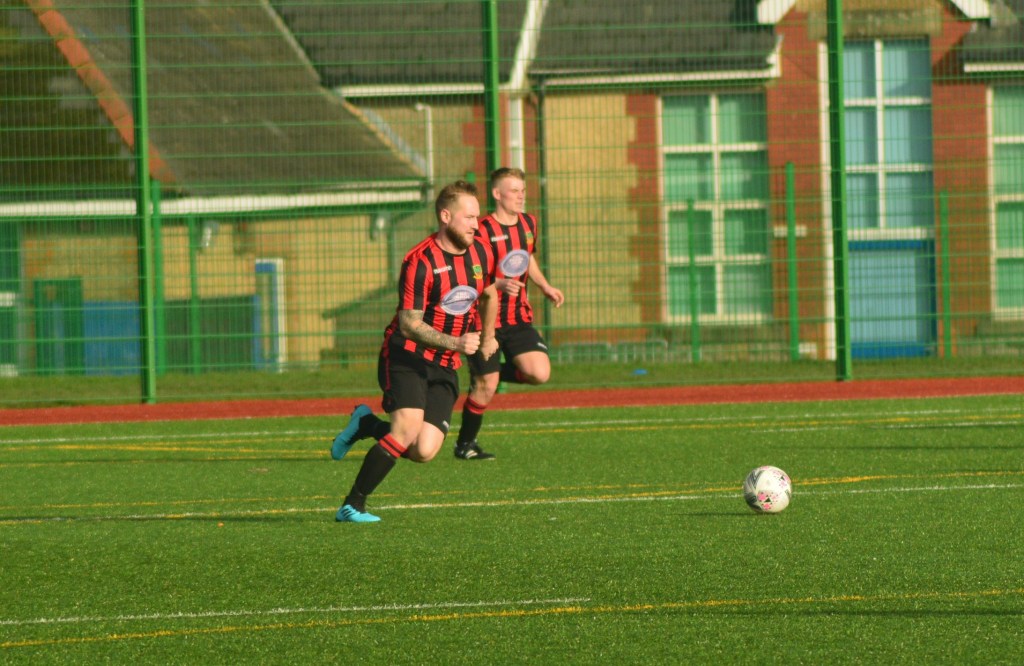
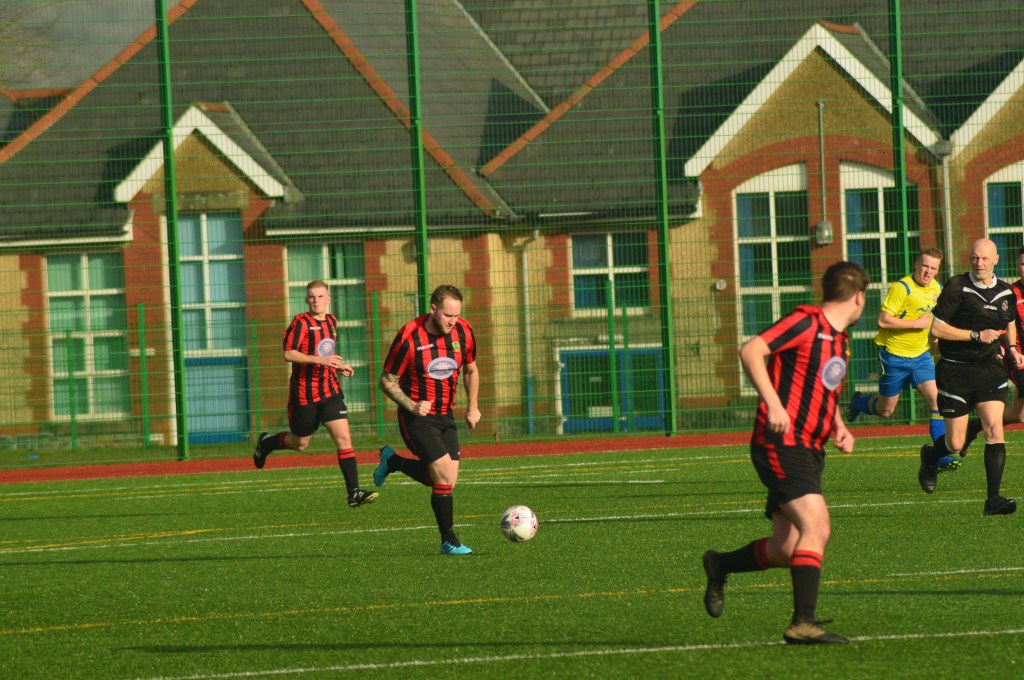
Owain Glyndwr Playing Field is a public recreational space in Caerphilly with a railed pitch. What makes it remarkable is that if you take certain positions around the pitch you can watch the beautiful game with Caerphilly’s enormous Norman castle as your backdrop because it is on the other side of the road. For someone who does like to photograph football matches the draw is the opportunity to capture some dramatic shots.

So when I had a free Saturday and saw that Cwrt Rawlin – the senior side based there – had a home match, I thought the long wait to ‘bag’ this ground was over. Except…

…the game had been moved to the 3G pitch at nearby school. As disappointed as I was when I found this out, it proved tremendous foresight by the club officials because the Owain Glyndwr pitch was waterlogged. Off I went anyway.

Cwrt Rawlin are possibly the oldest current club that is based in Caerphilly town. There are clubs in the Caerphilly area like Aber Valley and Trethomas Bluebirds that go back further but I think locals from both communities might challenge any definition of them as “Caerphilly”. The town’s highest ranked club, Caerphilly Athletic, began life as Dynamo Aber in the mid-2000s.

That Cwrt Rawlin’s origins only go back to 2001 says much about the history of football in Caerphilly. There have been plenty of clubs from the town (the 13th largest in Wales by population) to have come and gone and even though Caerphilly had a side in the Southern League for two seasons either side of the First World War, it’s not been a place renowned for producing successful football clubs. As far as I am aware, there has not been a Caerphilly town-based club in the Welsh League since 1938 (Caerphilly Town). Senghenydd Town and the original Aber Valley club represented “the area” between them in the post-Second War War era until 1968. Outside local or “parks” football, Caerphilly has been largely a football non-entity since then.

Like Pontypridd, where local senior football barely registers in the sporting culture, rugby union is king in the town; still, I’ve always felt Caerphilly is a town that really needs a football club on the map. I grew up playing on the fields at Virginia Park. It is where the rugby club is based but there is absolutely no logical reason why a football ground fit for a good standard of football isn’t possible too.

On arrival at the game I spoke to Cwrt Rawlin chairman and founder Anthony Williams and he took me through the club’s heritage. Set-up originally as an under 6 team for his son, Cwrt have built a club over 20 years that now provides football for more than 270 players from under 6s right through to senior level. The pathway from there includes a youth team playing in the Cardiff & District League and the senior side that currently plays in the Taff Ely & Rhymney Valley Football League (TERVL).

The senior side was set-up around 2010 in conjunction with the local pub, the Cwrt Rawlin, to provide a route from youth to senior football for the emerging players at the club. The club’s name doesn’t come from the pub though, but the name of the farm that was owned by Anthony’s wife’s family and once comprised the area that is now the Castle View estate. Anthony was rightly proud of that legacy, with a strong contingent of the current senior squad having come right through the club’s junior system.

Now the senior side is established, there are ambitions to try and reach the next level in the South Wales Alliance League. With a chance at winning the league this season the process for applying for the end of season South Wales FA champions play-offs is underway. Cwrt’s committee know there are limitations on what can be done at Owain Glyndwr and they continue to explore the possibility of establishing a permament ground in the town they can develop to include spectator facilities and a clubhouse. The previously mentioned Virginia Park and the playing fields near the Twyn School have been considered but the local authority remains reluctant to support to any such plans.

On the field the club’s bid to progress included recruiting Dave Kempton as first team manager after he led Caerphilly Athletic’s 2nds to the TERVL division one title last season. Kempton – who has played and coached in professional set-ups in England – said he was initially reluctant to speak to Cwrt Rawlin due to rivalry from Sunday league football but having done so he complimented the club as the “best run in Caerphilly” and felt he had the best group of players he’s ever had while he’s been involved in football in Wales.

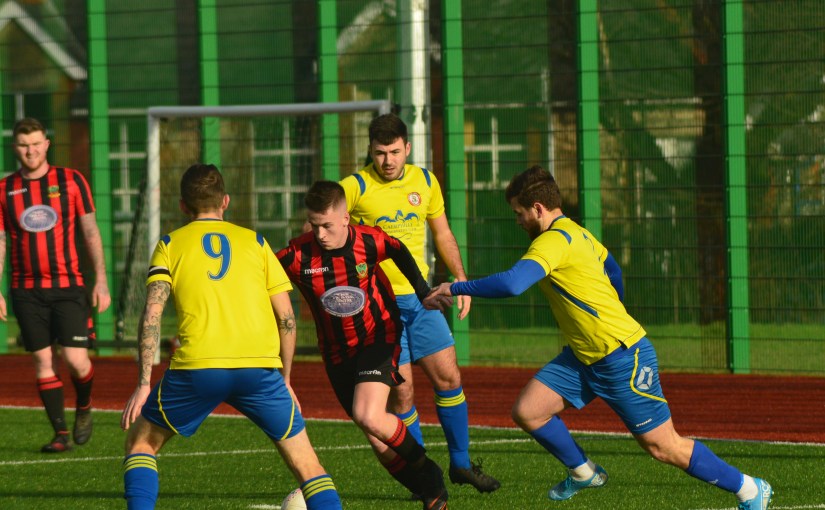
This match would provide a stern test of the side’s credentials. It’s been a decent season so far for Cwrt Rawlin, currently top of the TERVL premier division, in the last 16 of the South Wales FA Senior Cup, with a Greyhound Cup semi-final to come. This was the first bid for the club to challenge for silverware this season but for a place in the final of the Bernard Martin Cup (the TERVL’s second league cup) they would have to overcome Nelson Cavaliers.

A former South Wales Senior League club, Nelson Cavaliers have been the closest challengers to the Ynysybwl Athletic side that has dominated the TERVL in recent years. Aaron Powell’s side won the league title in 2018 only to lose in the promotion play-offs but they harbour themselves ambitions to reach the next step in the pyramid.

In very winding conditions the home side started the semi-final better, playing against the wind Nelson often struggled to clear their lines adequately. It was merited though when Cwrt Rawlin took the lead, captain David Tiltman firing home from more than 20 yards with powerful, swerving shot. The homesters almost doubled their lead during a scramble on the Nelson goal-line but somehow the ball stayed out and the visitors survived.

Oddly, an injury to Liam Dellanna – who had looked Nelson’s most dangerous player in the first half – just before half-time sparked the away team into life. Matthew Greenway smashed the crossbar from distance and Ceri Clingo was denied by an excellent save in the final moments of the first-half so Cwrt Rawlin’s lead was preserved.

But not for long. Less than five minutes into the second-half, Matthew Maksimovic was penalised for a challenge on Clingo in the box and Dan Falconer calmly converted the penalty to restore parity. Ceri Clingo fired past Joe Raspin – beating the keeper at his near post – to complete the turnaround within ten minutes.

How would Cwrt Rawlin respond? Immediately.

Within a minute of the restart the game was level thanks to an excellent finish by Tom Starr after Tiltman’s cushioned lay-off. That left an intriguing half hour for both side’s to grab the prize and Ryan Donovan’s strike edged Nelson ahead with 25 minutes to go. Cwrt Rawlin pushed hard and despite lots of pressure and possession that final moment of cutting edge was lacking to take the game into extra time.

The sides meet again on Saturday in a key league fixture.

Match Notes
1.2.2020
Cwrt Rawlin 2-3 Nelson Cavaliers
(David Tiltman 18′, Tom Starr 59′; Dan Falconer 49′ [p], Ceri Clingo 57′, Ryan Donovan 66′)
Bernard Martin Cup Semi-Final
Y Gwindy School 3G, Caerphilly (Welsh Ground #85)
Attendance: 30 (approx)
|Entry: Free

Ceiber Carry On through adversity and tragedy

I have mixed feelings about the Centre for Sporting Excellence (CSE) in Ystrad Mynach, Caerphilly CBC’s multi-million pound multi-sport facility. It’s got excellent facilities including one of the nicest and most comfortable stands in Welsh football. I’m sure it is fantastic for players and coaches with modern, state of the art facilities. But…

Yes, there is a but…

It has no identity. Which is what you expect of a community-use facility, but as a football ground it feels sanitised, like the matchday experience has been bleached of all it’s colour.

Presently, it is home to two Welsh Football League clubs: Risca United and, the hosts of this fixture, Trethomas Bluebirds. The facility is 10 miles from Risca and 6 miles from Trethomas. Both clubs play at the CSE because their traditional home grounds fail to meet the facilities criteria to play either at Welsh League level or the Cymru Leagues (which gets extended to tier 3 next season).

Risca’s historic home at Ty-Isaf Park is a fantastic ground, well-situated in the heart of its community, with a good stand and a nice feel of history about it. Sadly, it needs serious investment to meet the FAW criteria for the level of football The Cuckoos play at. Likewise for Trethomas, whose home pitch is just a railed pitch on the village recreational space. Since joining the Welsh League, the Bluebirds have been forced to play at homes away from home. They were briefly based at Bedwas Rugby Club before making the CSE their permanent home at the start of the 2017/18 season.

Importantly, this isn’t a criticism of either club. I always want to see clubs playing in their town or village because that seems to me to be part of the essence of Welsh football: clubs rich in local identity, based in and connected to their community. But ambition, finances and a lack of support from bodies like local authorities means clubs sometimes are forced to rub against this. It is an unfortunate, but sometimes, necessity of football in Wales. Ultimately, I suppose it is how you go about doing something as much as why.

Trethomas Bluebirds are a recent addition on the Welsh League scene, gaining promotion in 2016 after winning the Gwent County League title. Despite claiming to have been founded in 1903, much of the club’s history has been played out on the local scene, joining the Gwent County League at the start of this century (a Trethomas side is recorded to have played two seasons in the Welsh League between 1945 and 1947). Since promotion four years ago the club have become an established Welsh League outfit, achieving an improved final league position each year. Last season’s 5th place finish is the highest in the club’s history.

Visitors Penrhiwceiber Rangers have been established in the Welsh League since 1992, playing mostly in the bottom two tiers. Last season the club were unfortunate to finish on the wrong-end of a thrilling three-horse race for the two promotion spots with Trefelin BGC and Penydarren BGC. All three clubs accumulated a very impressive 70+ points but in the end Rangers missed out by two points to Trefelin.

The club looks like it will challenge again this season although so far the campaign has been overshadowed by the tragic loss of first team manager and club legend Steve Haggett before Christmas. Haggett’s successor Dean Brown is another clubman well-acquainted in the traditions of the club and hoping to finish the job Haggett had started.

At the start of the evening Trethomas had the chance to go top of division two if they could better Ynysygerwn’s result and having won the first meeting between the sides 4-1 at Penrhiwceiber’s Glasbrook Field ground, there may have been some confidence of doing the double. However, this was very much going to be the visitors’ night.

An intense start to the game saw opportunities for both sides to take the lead in the first two minutes before a 4th minute penalty from Ricky Carter gave Penrhiwceiber the lead. Dafydd Pearce scrambled home an equaliser in the 10th minute after Rangers’ keeper fumbled a ball into the box, but that was ultimately as good as it got for the Bluebirds.

In this clash of styles, Penrhiwceiber’s quick passing game and rapid attacks out of transition dominated against a more direct strategy from Trethomas, looking to get the ball forward quickly for their speedy forwards to run in behind. Only poor finishing stopped Penrhiwceiver running away from it before half-time, but an superb looping header from Brandon Hill to finish a top drawer right wing cross did ensure the Cynon Valley side led at the break.

Carter had another chance from the penalty spot early in the second-half but Gareth Williams read the striker’s penalty and saved the effort. More chances came and went for Rangers before Warren Jones finally gave them a cushion with a powerful drive. A minute later Joseph Jenkins punished a poor clearance with a well-executed chip. Carter did complete his brace with a tap-in from Brandon Davies’ cross before the excellent Davies got a goal his performance deserved; finishing off a superb sweeping counter-attack from a Trethomas corner kick to complete the rout to the delight of an excellent away following that comprised most of the 100+ souls in attendance.

An excellent night’s entertainment and a genuinely thrilling attacking display from Penrhiwceiber who came with a game-plan suited perfectly for the 3G surface; moving the ball quickly to feet, pressing high to force mistakes, the movement and precision of their play when the chance to attack came posed Trethomas too many questions they couldn’t answer on the night.

Match Notes
31.1.2020
Trethomas Bluebirds 1-6 Penrhiwceiber Rangers
(Dafydd Pearce 10′; Ricky Carter 4′ [p] 75′, Brandon Hill 40′, Warren Jones 63′ Joseph Jenkins 64′, Brandon Davies 82′)
Welsh Football League Division Two
Centre for Sporting Excellence, Ystrad Mynach
Attendance: 110 (approx)
| Entry: £4 (no programme available) |

Field of Dreams: how Ammanford built a football club

BOOMBOOMBOOM

“WE’RE THE BLACK AND WHITE ARMY!”

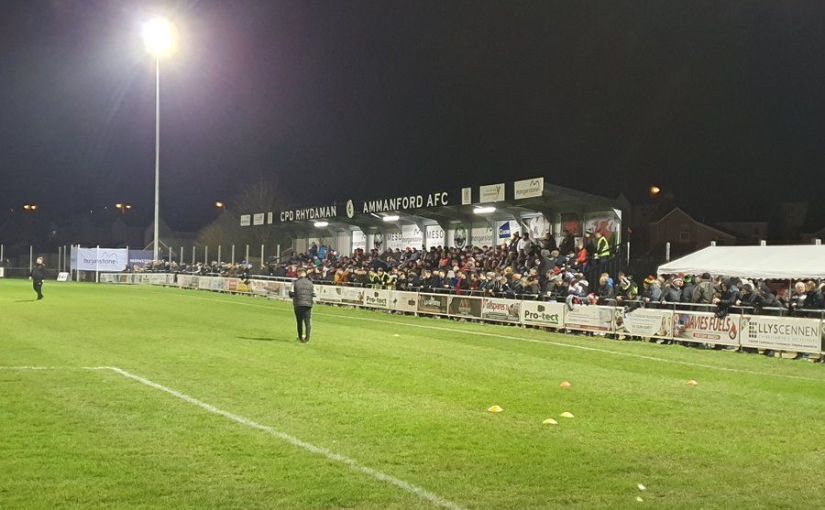
As I stepped out of my car the sound of this being belted out from the stand less than 100 yards away let me know I was definitely where I wanted to be. Forty minutes before kick-off and ‘The Black & White Army’, Ammanford AFC’s band of noisy ‘ultras’, were already going through their repertoire. Although the back of the stand obscured much of the view, the buzzing of activity in and around the ground was an early indication that this game might just live up to the hype.

For those that follow Welsh fooball, the Welsh Cup is a special and cherished competition. It is the most inclusive national competition in Wales, open to all teams that play football in the national pyramid. It provides the opportunity for small village clubs to propel themselves onto a national stage and, if they are lucky, earn a visit from the Sgorio cameras. Once it gets going with the entry of Cymru Premier clubs in round three we do see clashes between clubs from “recreational” leagues and the more professional, ambitious clubs that play in the higher divisions; players used to slick 3G pitches having to overcome a team of chancers of a local mudbath.

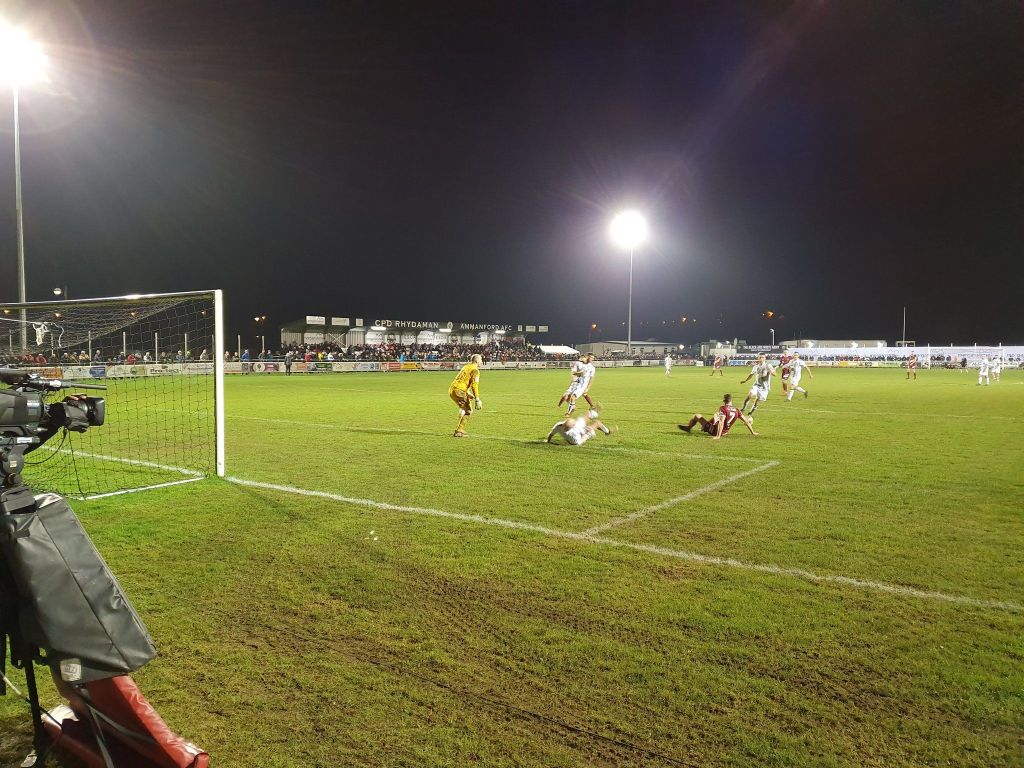
Although this fourth round tie between Cymru South side Ammanford and Cymru Premier, Europa League chasing, Caernarfon Town doesn’t have that minnows v mammoths story (it’s was a tier 2 v tier 1 clash), it did bring together two clubs that have undergone enormous growth in recent times and enjoy a level of community support most clubs in Wales are envious of and hope to replicate. Certainly for Ammanford, while maybe not a culmination, the match was an important marker in their transformation over 18 months from a fairly amateurish football club in a Welsh “backwater” that only groundhoppers and a small group of locals ever visited to a club pulling off the slick and professional looking hosting of a football match in front of 1200 spectators broadcast live on national television.

The last time I visited the Ammanford Recreation Ground was 18 months ago and it a cut a very different scene then. There was no seating, just an old bus stop type stand that would probably have been condemned if anybody would have been bothered to inspect it. No floodlights, no spectator facilities inside unless you count a portable hot water caddy for serving tea and coffee in plastic cups (although the nearby rugby club acts as the clubhouse). Even getting a teamsheet or a programme involved a mad dash to a printer by one of the club’s volunteers.

Fast forward to the present day, the Rec boasts a very smart 250 seater stand, including provision for disabled spectators; the addition of floodlights has allowed the club to host Friday night games which are apparently popular with the locals; although the 150 printed programmes is a woefully short run for such a big crowd, they were there and ready for sale as well as club crest pin badges. There is still no permanent food and drink facilities on-site but Ammanford had the foresight to bring someone in to sell hot food and the rugby club still seems to function as the place for pre-match lubrication of the vocal chords.

As the ground has developed and the club has embraced a much more professional approach (partly enforced by FAW ground regulations for playing in the Cymru Leagues), improving connections with local businesses, doing much better community engagement, setting up a charitable trust in memory of Jac Lewis, a popular local figure who tragically died in February 2019. The club now offers season tickets to supporters, has given away hundreds of free tickets to local schools, improved its social media profile and, of course, there has been the emergence of The Black & White Army.

Groups of loyal and noisy supporters are rare on the Welsh football scene, so much so that anybody trying to generate some atmosphere gets noticed. The supporters in the B & W Army have certainly invigorated the matchday experience at The Rec and they are usually there with a drum and their booming voices at most of Ammanford’s away games. They have helped raised the profile of the club on mediums like Twitter, inside Cymru Leagues grounds and among the town’s community as a game at The Rec is now increasingly seen as a place to be. Attendances have reflected this as the old joke about “one man and his dog and the dog looking the other way” watching Ammanford has been smashed by some impressive home crowds in the last 18 months, including nearly 800 for this season’s Amman Valley derby with Cwmamman United and now the ground record attendance for Caernarfon’s visit.

While the story off the field is fantastic and probably worthy of a much deeper study (as with Caernarfon Town), the matter at hand was the Welsh Cup tie and place in the quarter-finals for the winners. Ammanford had pulled off the result of the third round, thrashing Cymru Premier side, and another local rival, Carmarthen Town 4-0 with the help of a Lee Trundle goal that went viral.

That result, plus the strong possibility of a large crowd, probably induced Sgorio to select the game for broadcast. Although the decision to televise the game on Friday night drew criticism from some quarters, making the trip harder for Caernarfon Town’s players and supporters, ultimately the incredible local support (plus 100 hardy members of the Cofi army) put such doubts to rest.

A record crowd enjoyed Ammanford’s tussle with the Cofis at The Rec

If it was a big success as an event, on the pitch the game didn’t really deliver what the television executives, home fans and neutrals would have hoped for. The loss of Lee Trundle to injury before the game was a massive blow for Ammanford and had he played it may have been a different game; the former Swansea City frontman certainly would have provided a bit more physical presence and quality in the final third.

Despite that loss, Ammanford started the game well and there were one or two half chances in the first twenty minutes but once Sean Eardley’s Caernarfon had navigated the initial choppy waters and taken a first-half lead through Sion Bradley’s fine finish the cupset never looked on. A sensational goal from Darren Thomas (which I somehow missed despite behind stood behind that goal) doubled the Cofis lead before half-time.

Ammanford rallied early in the second half and introduced another Swansea old boy, Andy Robinson, to try and bring some quality and composure to their play but the gulf in class between the two sides was just too great. Noah Edwards added a third 11 minutes into the second-half to kill any hopes of a comeback before Darren Thomas scored his second late in the game to complete a comfortable and resounding win for the top flight outfit.

On the Ammanford Twitter feed they commented after the game that the team may have lost the game but the town had won. If there is some comfort to be drawn from a disappointing match result it is that Ammanford certainly delivered the event on the night and the community got behind the club.

There, I believe, is the story of what Welsh football is and should be about. It’s not about millionaire players, international owners, commercialism and corporatisation; it’s about the town, village or place you come from, local identity and the community. If more clubs can get their communities behind them in this way our leagues and our clubs will get better and that matchday buzz can be felt at grounds all over our nation.

Match Notes
25.1.2020
Ammanford 0-4 Caernarfon Town
(Sion Bradley 26’, Darren Thomas 39’ 84’, Noah Edwards 56’)
JD Welsh Cup 4th Round
Recreation Ground, Ammanford
Attendance: 1203 | Entry: £5

Titanic tussle at Tudor Park

A weekend free of club duty (no fixture) meant the opportunity to visit a new ground and last weekend there was one fixture in the south that really stood out: Pencoed Athletic BGC’s visit to Maesteg Park in round three of W John Owen Cup.

The W John Owen Cup is the league cup organised by the South Wales Alliance League (SWAL), contested this season by the 45 member clubs of the league. Where it sits in the order of things within the ‘South Wales’ region is open to debate. The South Wales FA (SWFA) Senior Cup has a more prestigious history but nowadays the W John Owen Cup probably has the greatest depth of competition because it is rare for all of the SWAL’s best sides to play in the Senior Cup.

What was intriguing about this tie is that it brought together two of the most upwardly mobile clubs in the south below the Welsh Football League, two teams in good form this season, as well as an opportunity for me to finally visit an historic Welsh football ground.

Tudor Park is the home of Maesteg Park, an original League of Wales ground where the now defunct Maesteg Park Athletic club were based. The ground bears all the hallmarks of its previous status including floodlights, hard standing around the perimeter of the pitch and a relatively large stand (although no seats) by Welsh League standards. It feels quite bare bones against the increasingly higher expectations of ground criteria certification required to play at the highest tiers of Welsh football nowadays. Nevertheless, it feels like you have stepped into a space imbibed with history the moment you cross the car park and walk through the iconic turnstile into the ground.

It is an enormous ground too, not too dissimilar in scale to the nearby Caerau Athletic Ground, and having recently completed an asset transfer of the facility from Bridgend Council, there are no doubt development plans from the ambitious club (some work has previously been carried out, including improvements to the changing room block to include a sports room for players and supporters, as well as kitchen renovations). There is enormous potential to convert this grand old space into a first-rate football facility.

The Maesteg Park story is impossible to tell without reference to the club that preceded them. There was a period when the old Maesteg Park Athletic were among the best teams in the south Wales leagues, competing in the upper echelons of the embryonic Welsh football pyramid of the 1980s before joining the League of Wales as a founding member in 1992. That year, Maesteg Park Athletic also reached the semi-finals of the Welsh Cup for the first time, losing 4-0 on aggregate to professional outfit Cardiff City.

After three years of struggle in the national league, Athletic’s return to the southern tier 2 Welsh Football League meant they were at a more suitable competitive level and they remained among the top sides in the Welsh League before a dramatic decline between 2007 and 2010. After relegation to division three of the Welsh League was confirmed in 2010, the resignation of the club’s long-time caretaker David Griffiths and his family meant the club was dissolved.

From the smouldering embers a new club emerged, taking on the Maesteg Park name and based at Tudor Park. However, the phoenix club began at the very bottom of the pyramid in the Bridgend & District League, harnessing the rich seam of talent left behind in the collapsed club’s junior set-up. Focusing heavily on local players, a new committee has gradually built Maesteg Park into a force over the last decade. Last season they swept aside all comers in district football, claiming a Bridgend League and Cup treble and earning promotion to the South Wales Alliance League with play-off victories of Fairwater (Cardiff Combination) and Ynysybwl Athletic (Taff Ely Rhymney Valley).

That Andrew Jones’ side were head and shoulders above their previous level has been emphasised by a storming start to life in the Alliance. Winning all their first eight games by a margin of at least two goals, the Park Arabs look well on course for promotion again. They have lost once in 14 league games so far, 2nd in the table with games in hand over leaders Canton Rangers. The only real blip in the season so far was a surprise exit in the SWFA Senior Cup to Rhondda League side Cwm Rhondda. Many would have put Maesteg Park down as one of the favourites to lift the trophy.

Visitors Pencoed Athletic BGC came into the game in similar upward trajectory. A club that was well-established in the now defunct South Wales Amateur League (which merged with the South Wales Senior League to form the SWAL in 2015), Pencoed were placed in the premier division of the SWAL from inception and over the past 5 years have steadily improved. Two top three finishes in the past three campaigns have consolidated their status as one of the best teams at this level. The top of the SWAL is a crowded place these days though and if Mark Powell’s side are to finally claim a league title this season they will need to come through what presently appears to be a five-horse race.

Both sides started the game with notable absentees. Maesteg’s top scorer Steffan Roberts was unavailable, Pencoed were missing several first team players but were able to start Adam Carpenter who signed from Cymru Premier side Penybont before the game. If you didn’t know any better you would have thought watching the first half an hour that the home side were the higher league opposition. Maesteg dominated the first half in terms of possession and territory, winning lots of duels but I couldn’t pick out too many truly clear-cut opportunities. Lots of good play from the hosts but the Pencoed keeper wasn’t as busy as Maesteg’s control may have forced.

Even though their attacking moments were sparse in the first half, Pencoed did look incisive from counter-attacks and probably should have taken the lead before they did but for a horror miss from a couple of yards out. However, break the deadlock they did through Jack Delve’s fine finish somewhat against the run of the play.

After the break Maesteg Park came out of the blocks strongly and another period of sustained pressure ensued, bombarding Pencoed’s penalty area with a series of dead ball situations. The pressure eventually tolled around the hour mark when Pencoed’s custodian spilled a free-kick and the ball was bundled home. I believe forward Ashton White – one of the young, local stars of this Maesteg side – claimed the goal.

The final half hour proved a proper scrap on a pitch that wasn’t easy on the eye or the play; it was testament to the quality in both sides that such an engaging football match was played out on the surface. There were chances at both ends but neither side could strike the decisive blow in the regulation 90 minutes so we got another half-hour.

The winning moment came shortly into the second period of extra time, Pencoed’s Darren Townsend showing the poaching instincts that made him one of Mark Powell’s key targets in the summer to score from close range. Maesteg threw everything they could muster at Pencoed in the final stages and the visitors really had to dig in and use all their resolve to retain the lead, with a little bit of fortune along the way. The exhaustion of both sets of players was evident at the final whistle.

Pencoed progressed but there was no shame for Maesteg Park, newcomers in regional football, who more than competed with their higher level opposition. It was a fantastic football match, a hard-fought slugfest of a game. The crowd of around 90-95 is very good for a club playing at tier 7 but it was an encounter of such quality and competitive spirit it deserved the company of two or even three times that number.

Match notes
18.1.2020
Maesteg Park 1-2 Pencoed Athletic BGC [AET]
(Ashton White 60′; Jack Delve 40′, Darren Townsend 107′)
W John Owen Cup Third Round
Tudor Park, Maesteg
Attendance: 95 (approx) | Entry: Free

Welsh Ground #84