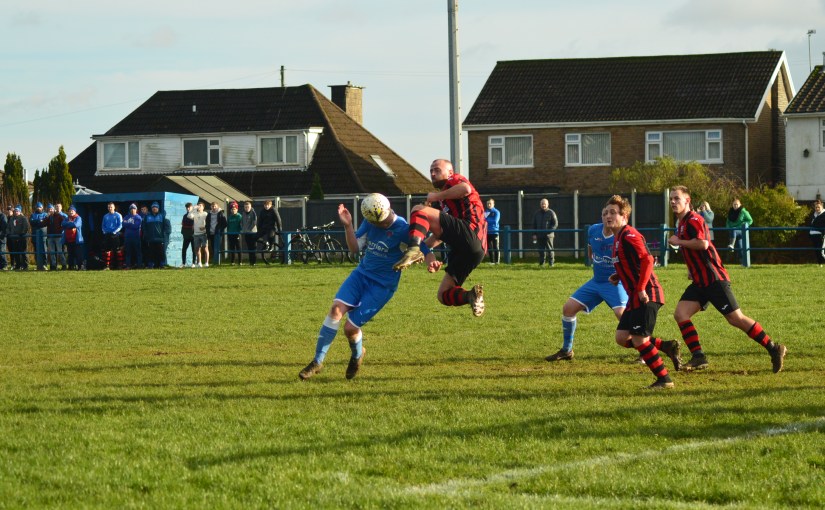
A weekend free of club duty (no fixture) meant the opportunity to visit a new ground and last weekend there was one fixture in the south that really stood out: Pencoed Athletic BGC’s visit to Maesteg Park in round three of W John Owen Cup.
The W John Owen Cup is the league cup organised by the South Wales Alliance League (SWAL), contested this season by the 45 member clubs of the league. Where it sits in the order of things within the ‘South Wales’ region is open to debate. The South Wales FA (SWFA) Senior Cup has a more prestigious history but nowadays the W John Owen Cup probably has the greatest depth of competition because it is rare for all of the SWAL’s best sides to play in the Senior Cup.
What was intriguing about this tie is that it brought together two of the most upwardly mobile clubs in the south below the Welsh Football League, two teams in good form this season, as well as an opportunity for me to finally visit an historic Welsh football ground.
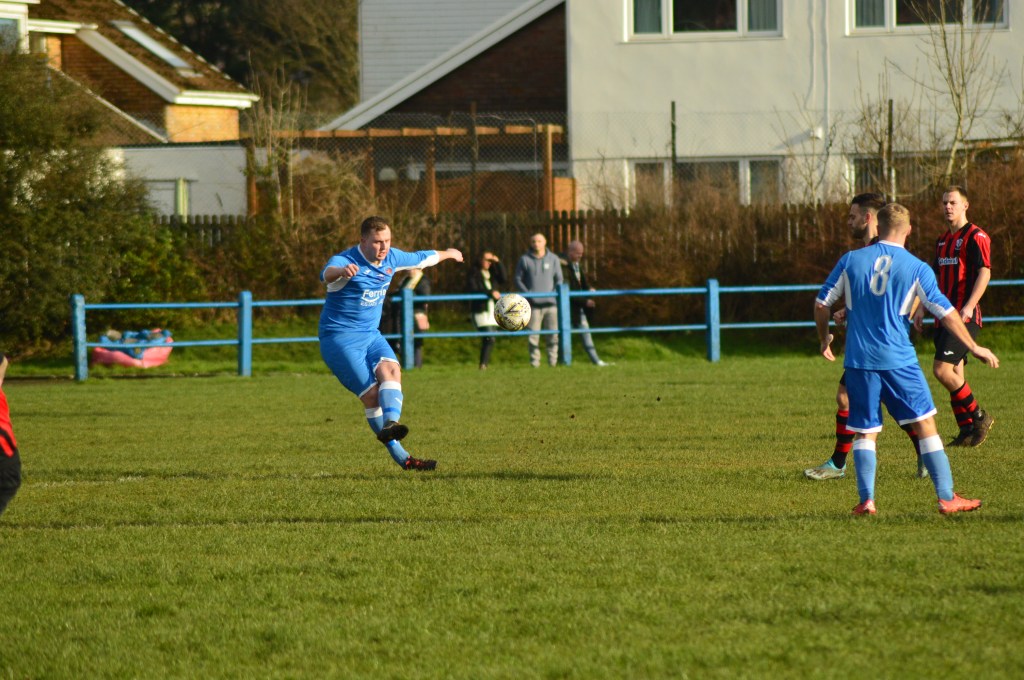
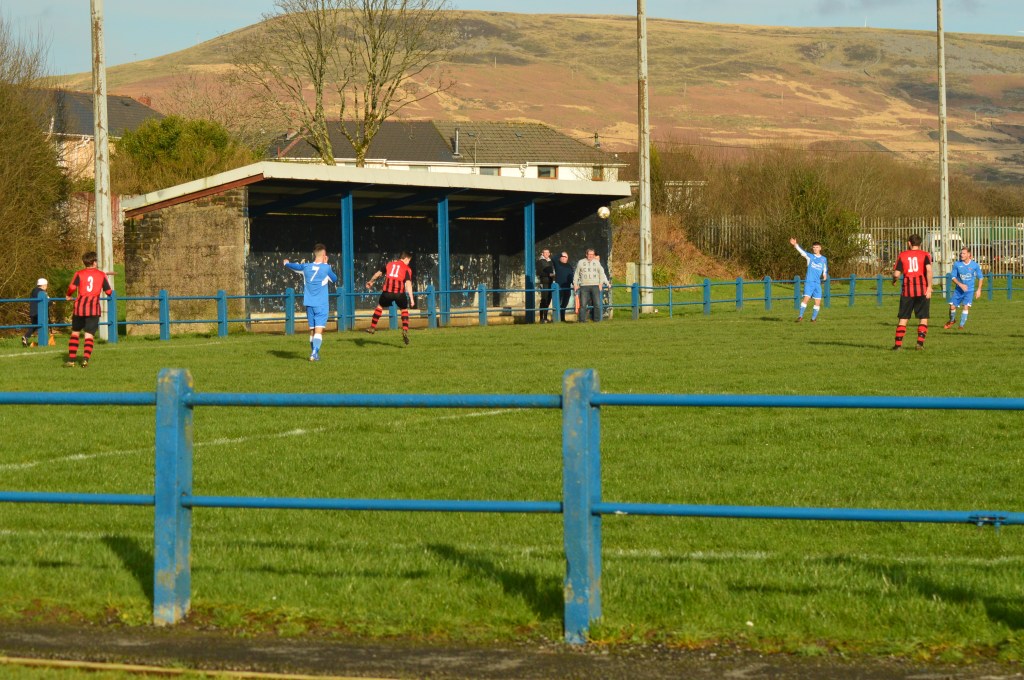
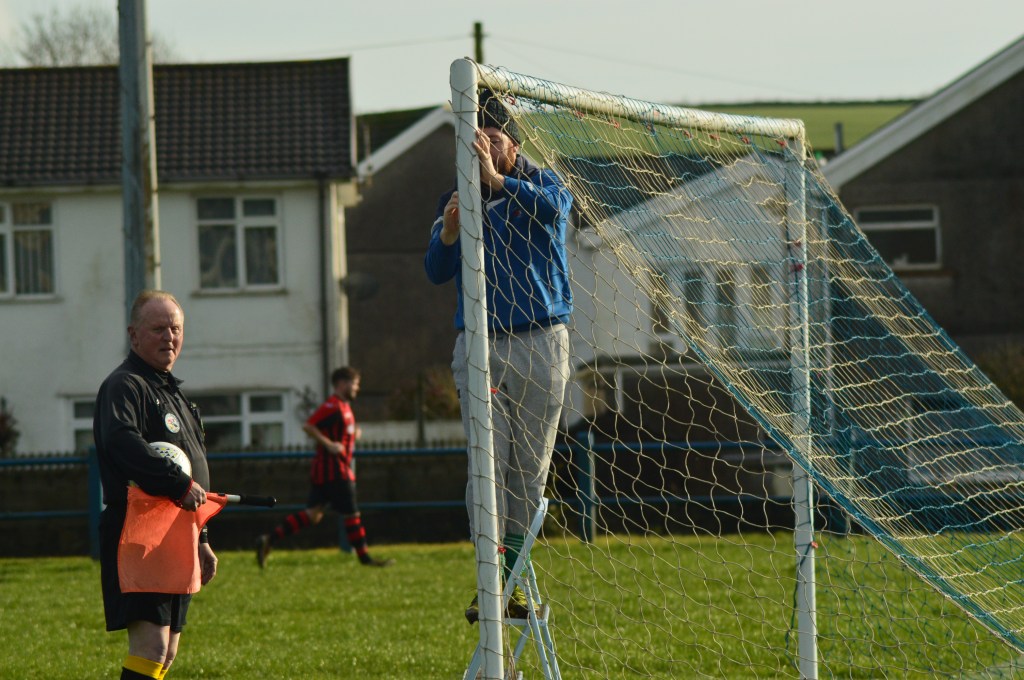
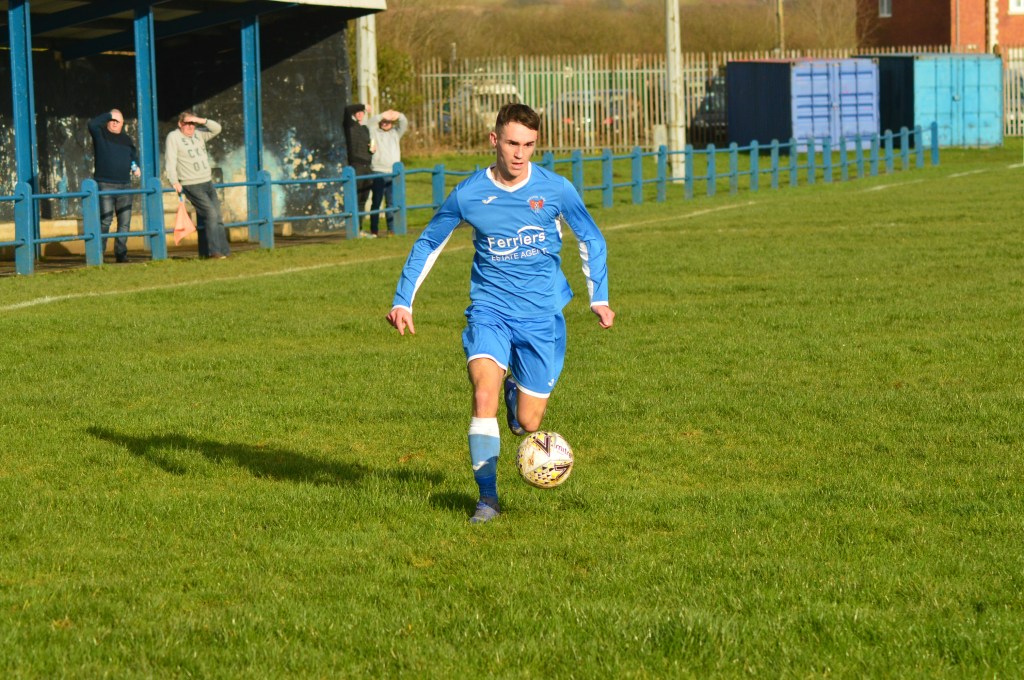
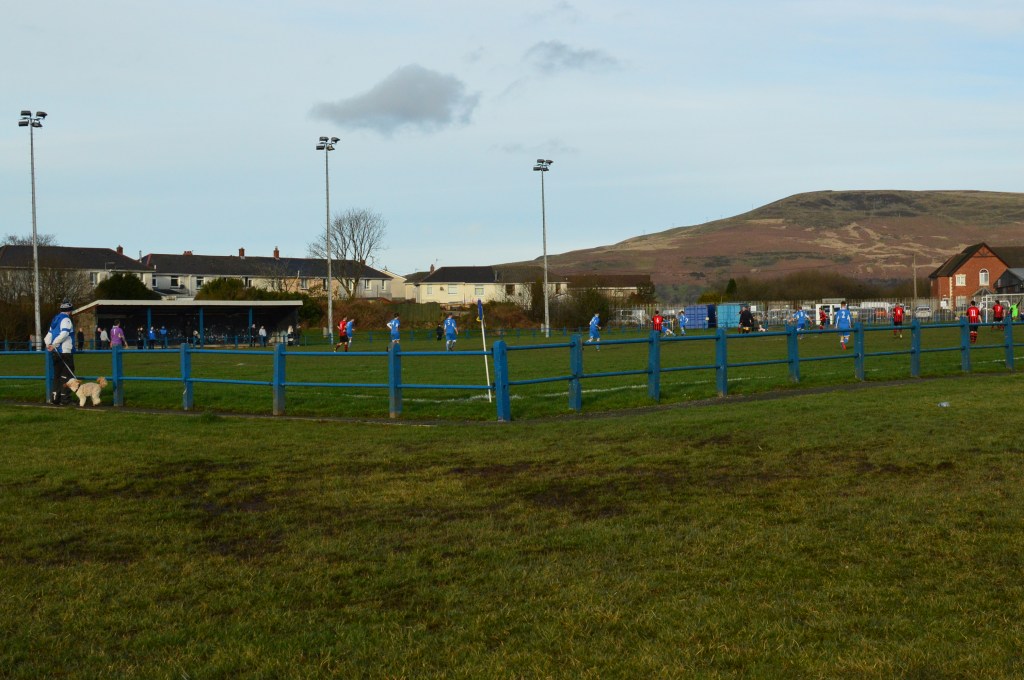
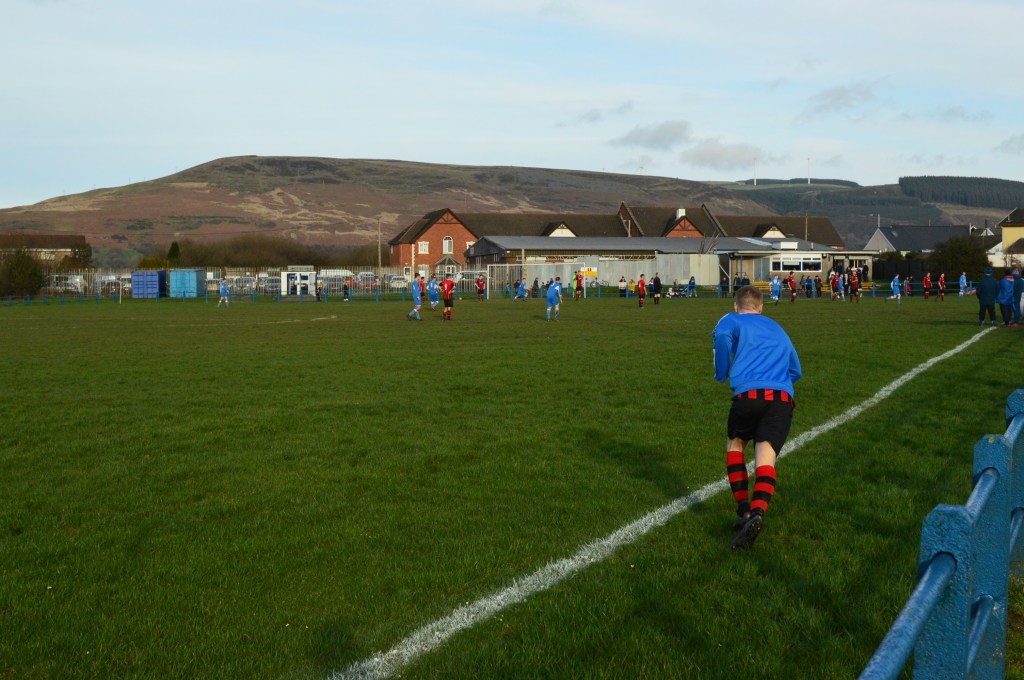
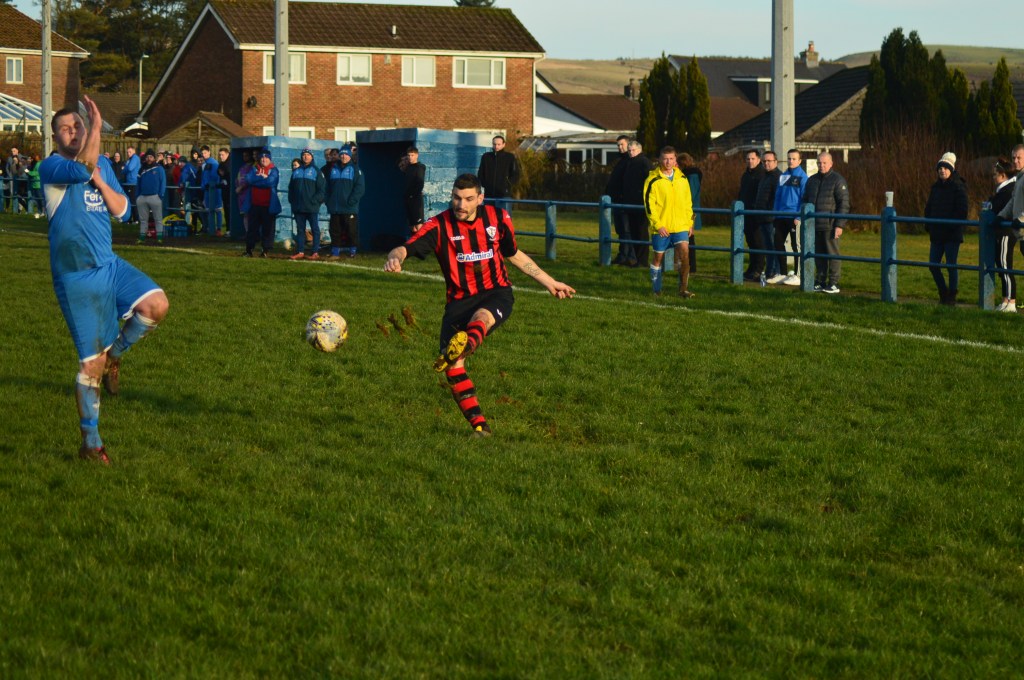
Tudor Park is the home of Maesteg Park, an original League of Wales ground where the now defunct Maesteg Park Athletic club were based. The ground bears all the hallmarks of its previous status including floodlights, hard standing around the perimeter of the pitch and a relatively large stand (although no seats) by Welsh League standards. It feels quite bare bones against the increasingly higher expectations of ground criteria certification required to play at the highest tiers of Welsh football nowadays. Nevertheless, it feels like you have stepped into a space imbibed with history the moment you cross the car park and walk through the iconic turnstile into the ground.
It is an enormous ground too, not too dissimilar in scale to the nearby Caerau Athletic Ground, and having recently completed an asset transfer of the facility from Bridgend Council, there are no doubt development plans from the ambitious club (some work has previously been carried out, including improvements to the changing room block to include a sports room for players and supporters, as well as kitchen renovations). There is enormous potential to convert this grand old space into a first-rate football facility.
The Maesteg Park story is impossible to tell without reference to the club that preceded them. There was a period when the old Maesteg Park Athletic were among the best teams in the south Wales leagues, competing in the upper echelons of the embryonic Welsh football pyramid of the 1980s before joining the League of Wales as a founding member in 1992. That year, Maesteg Park Athletic also reached the semi-finals of the Welsh Cup for the first time, losing 4-0 on aggregate to professional outfit Cardiff City.
After three years of struggle in the national league, Athletic’s return to the southern tier 2 Welsh Football League meant they were at a more suitable competitive level and they remained among the top sides in the Welsh League before a dramatic decline between 2007 and 2010. After relegation to division three of the Welsh League was confirmed in 2010, the resignation of the club’s long-time caretaker David Griffiths and his family meant the club was dissolved.
From the smouldering embers a new club emerged, taking on the Maesteg Park name and based at Tudor Park. However, the phoenix club began at the very bottom of the pyramid in the Bridgend & District League, harnessing the rich seam of talent left behind in the collapsed club’s junior set-up. Focusing heavily on local players, a new committee has gradually built Maesteg Park into a force over the last decade. Last season they swept aside all comers in district football, claiming a Bridgend League and Cup treble and earning promotion to the South Wales Alliance League with play-off victories of Fairwater (Cardiff Combination) and Ynysybwl Athletic (Taff Ely Rhymney Valley).
That Andrew Jones’ side were head and shoulders above their previous level has been emphasised by a storming start to life in the Alliance. Winning all their first eight games by a margin of at least two goals, the Park Arabs look well on course for promotion again. They have lost once in 14 league games so far, 2nd in the table with games in hand over leaders Canton Rangers. The only real blip in the season so far was a surprise exit in the SWFA Senior Cup to Rhondda League side Cwm Rhondda. Many would have put Maesteg Park down as one of the favourites to lift the trophy.
Visitors Pencoed Athletic BGC came into the game in similar upward trajectory. A club that was well-established in the now defunct South Wales Amateur League (which merged with the South Wales Senior League to form the SWAL in 2015), Pencoed were placed in the premier division of the SWAL from inception and over the past 5 years have steadily improved. Two top three finishes in the past three campaigns have consolidated their status as one of the best teams at this level. The top of the SWAL is a crowded place these days though and if Mark Powell’s side are to finally claim a league title this season they will need to come through what presently appears to be a five-horse race.
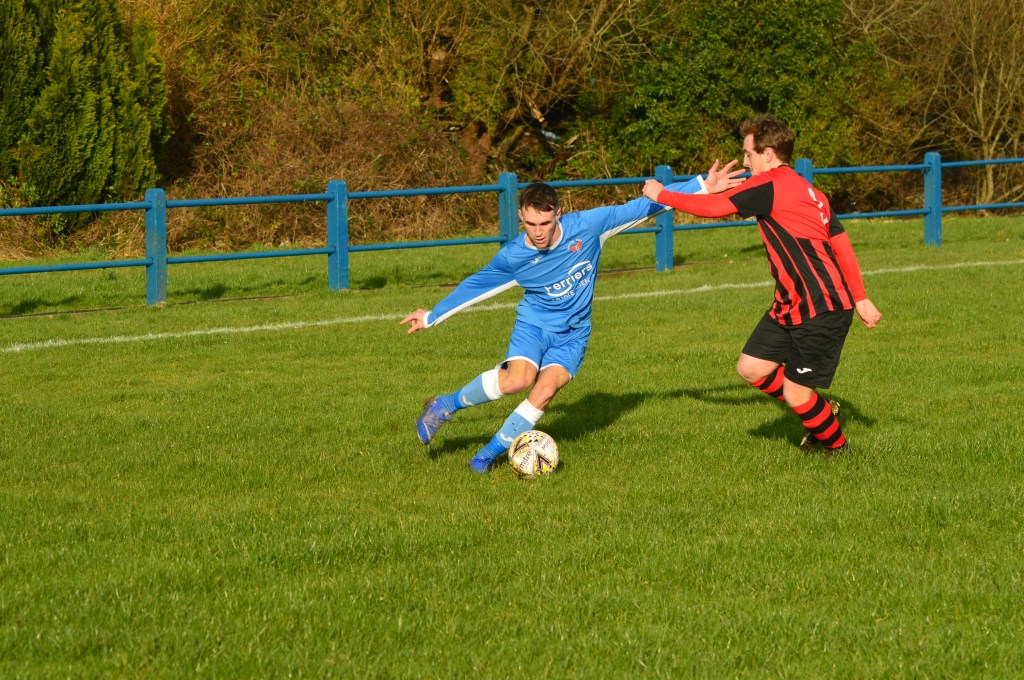
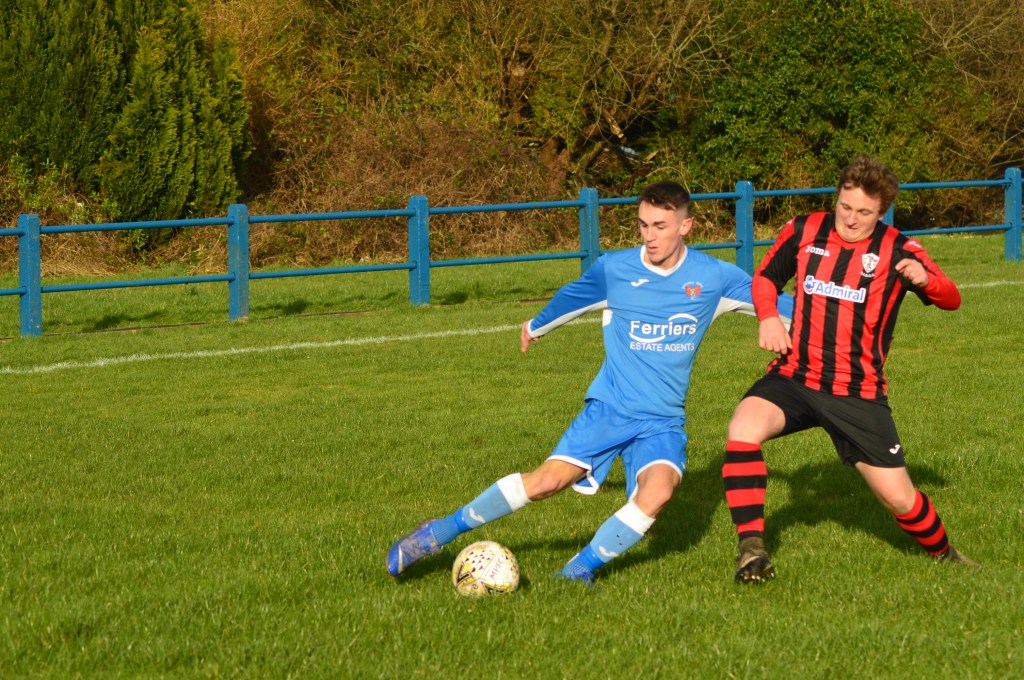
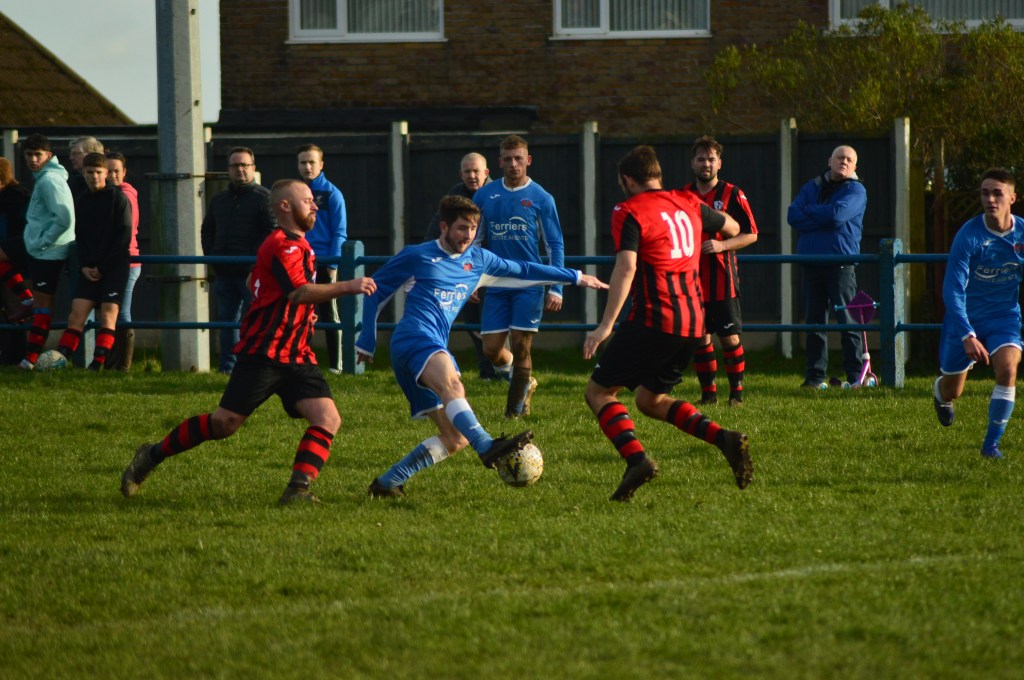
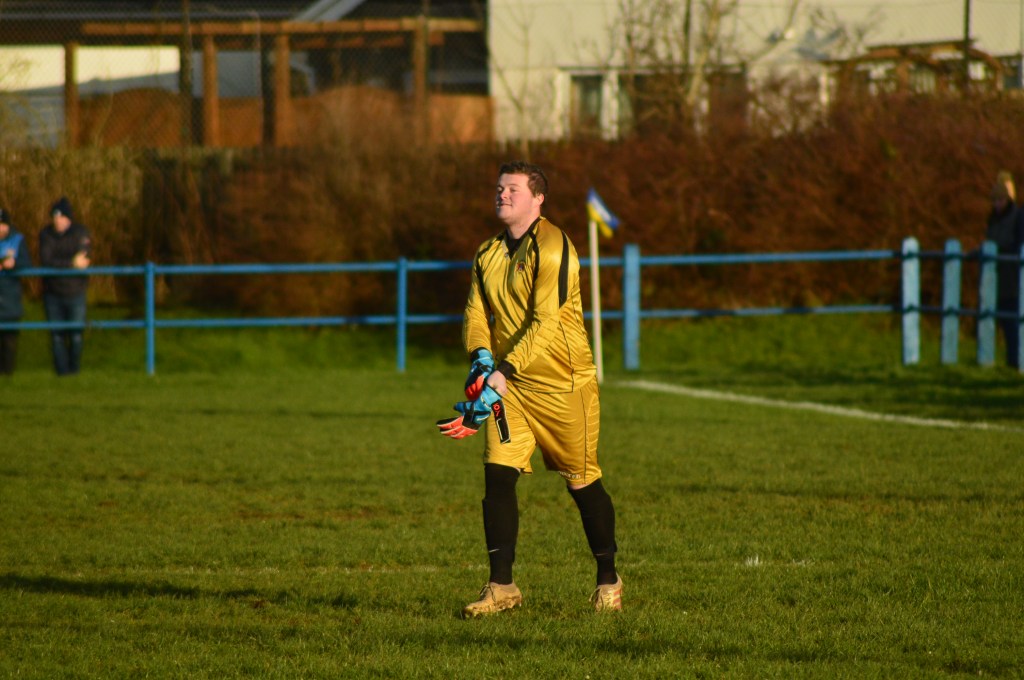
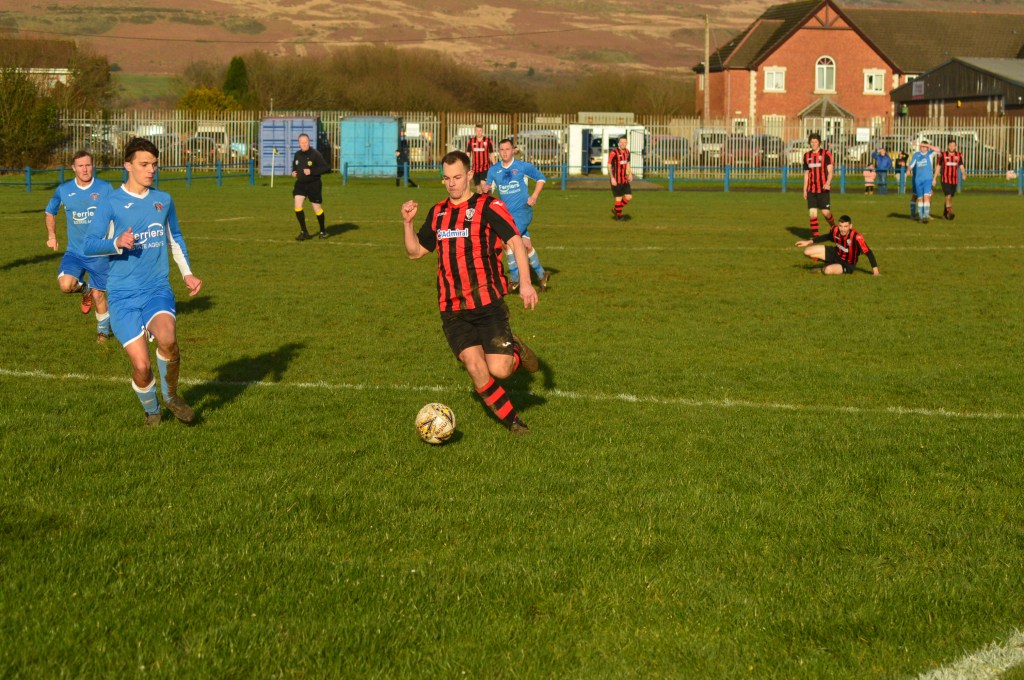
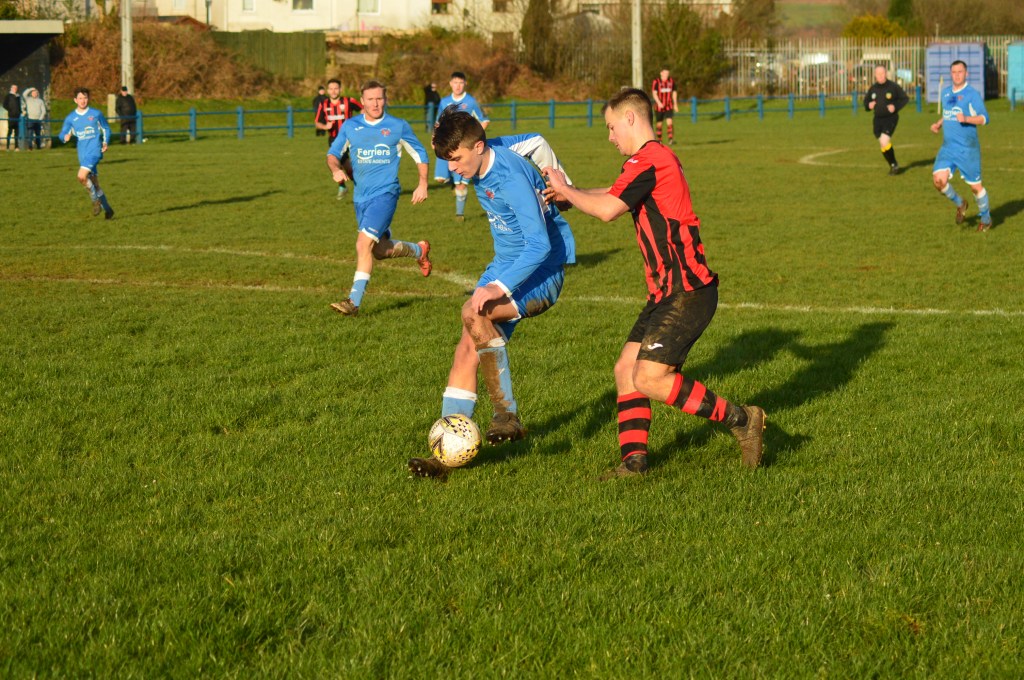
Both sides started the game with notable absentees. Maesteg’s top scorer Steffan Roberts was unavailable, Pencoed were missing several first team players but were able to start Adam Carpenter who signed from Cymru Premier side Penybont before the game. If you didn’t know any better you would have thought watching the first half an hour that the home side were the higher league opposition. Maesteg dominated the first half in terms of possession and territory, winning lots of duels but I couldn’t pick out too many truly clear-cut opportunities. Lots of good play from the hosts but the Pencoed keeper wasn’t as busy as Maesteg’s control may have forced.
Even though their attacking moments were sparse in the first half, Pencoed did look incisive from counter-attacks and probably should have taken the lead before they did but for a horror miss from a couple of yards out. However, break the deadlock they did through Jack Delve’s fine finish somewhat against the run of the play.
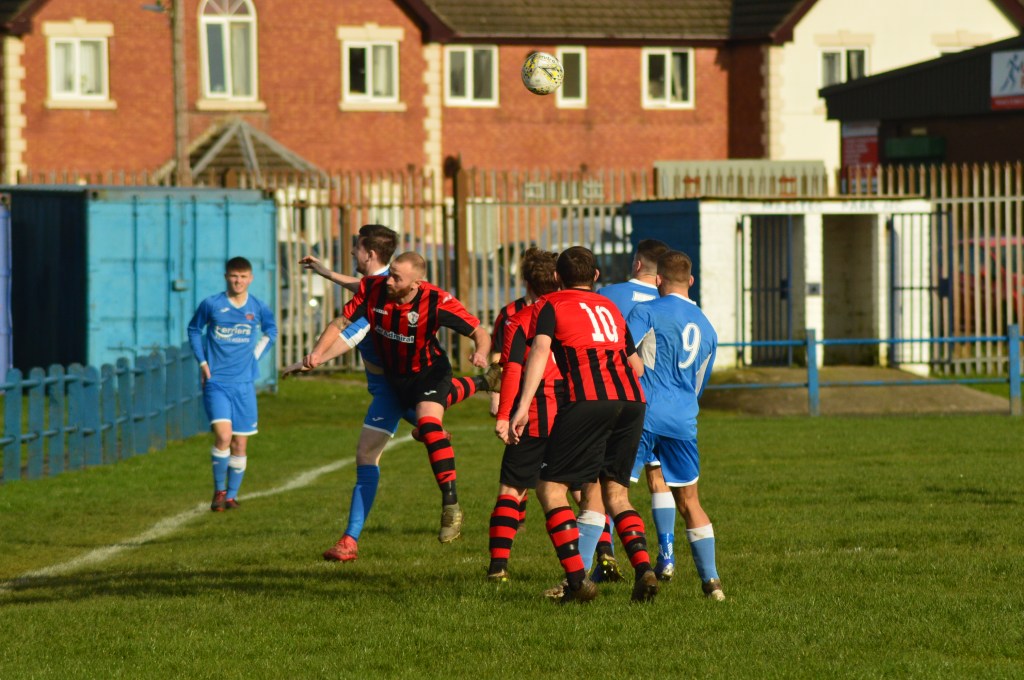
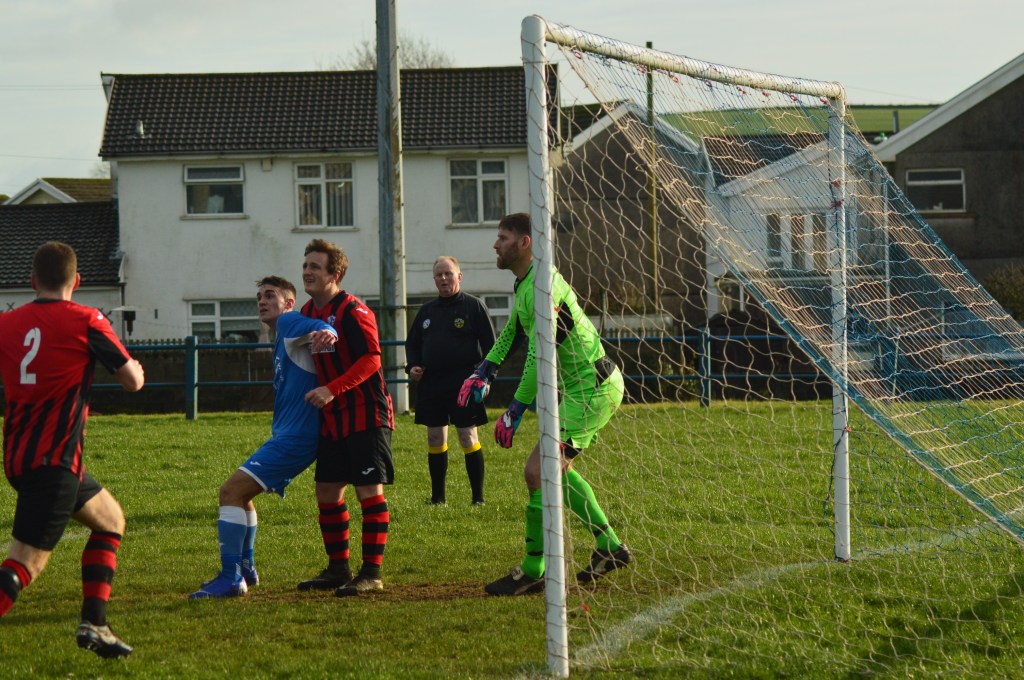
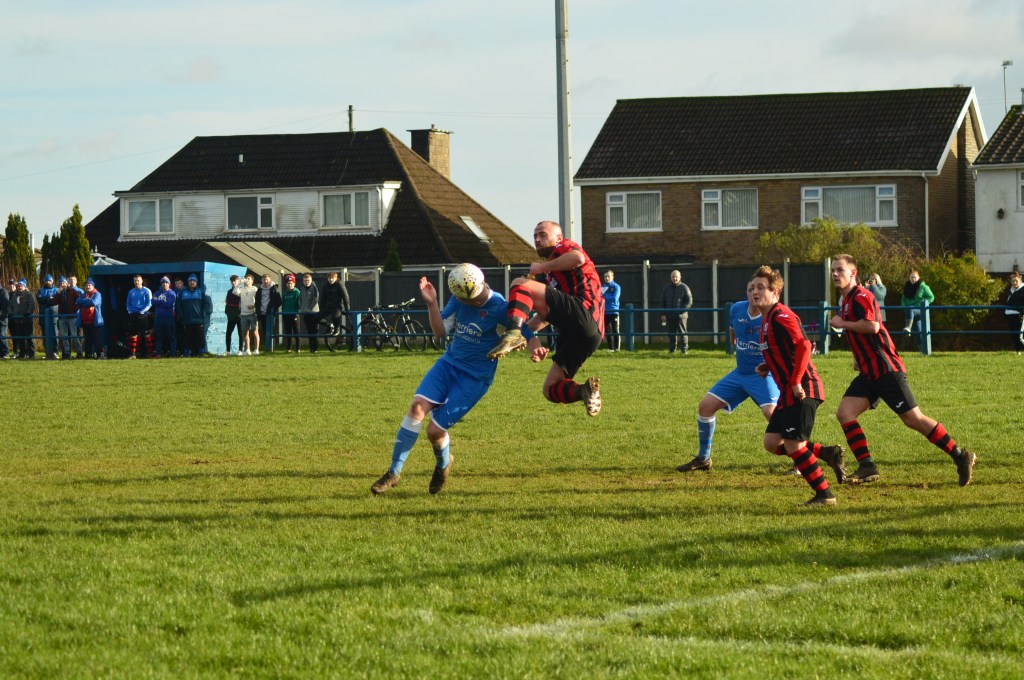
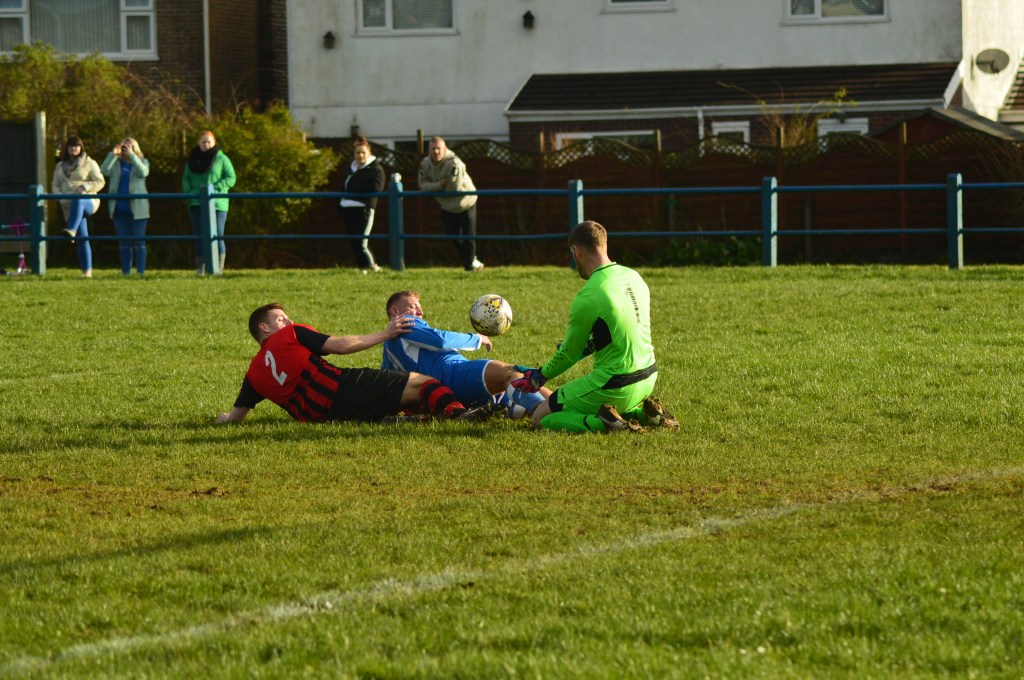
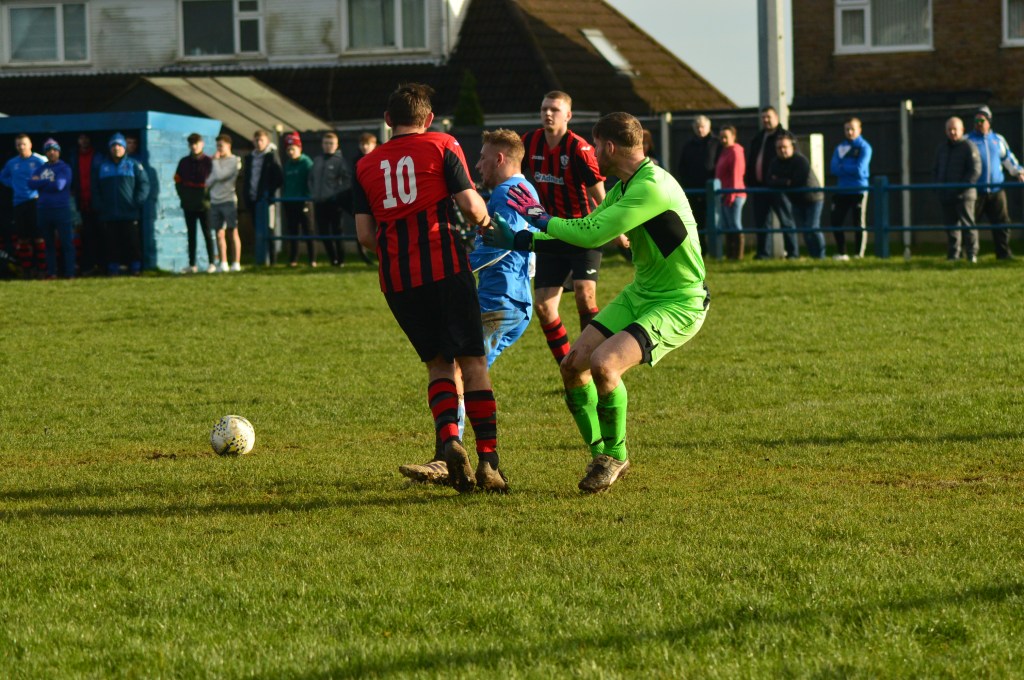
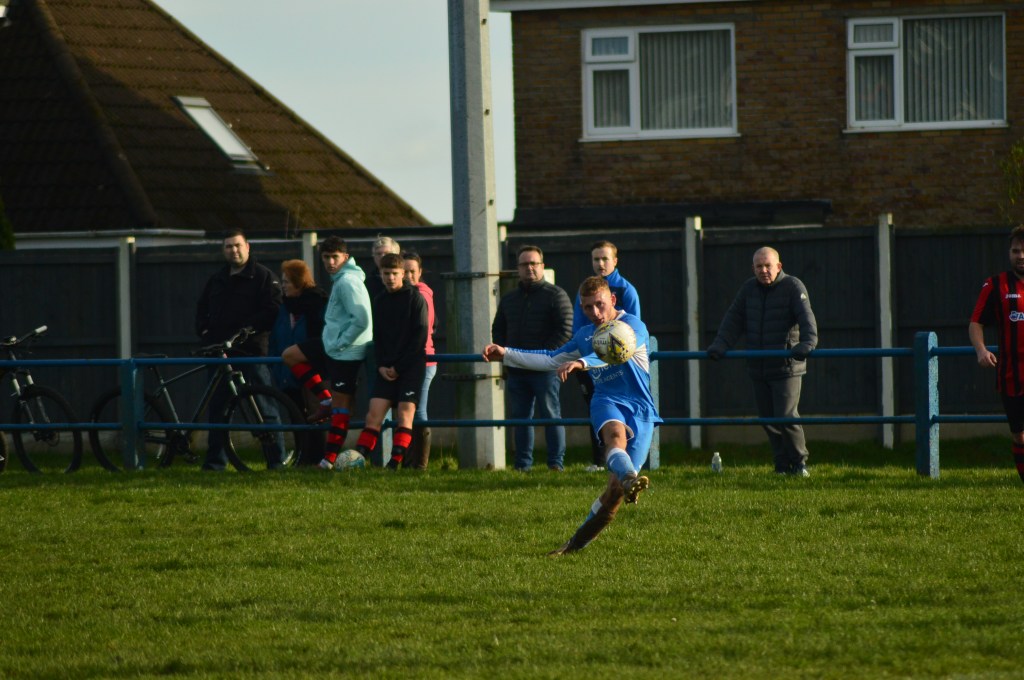
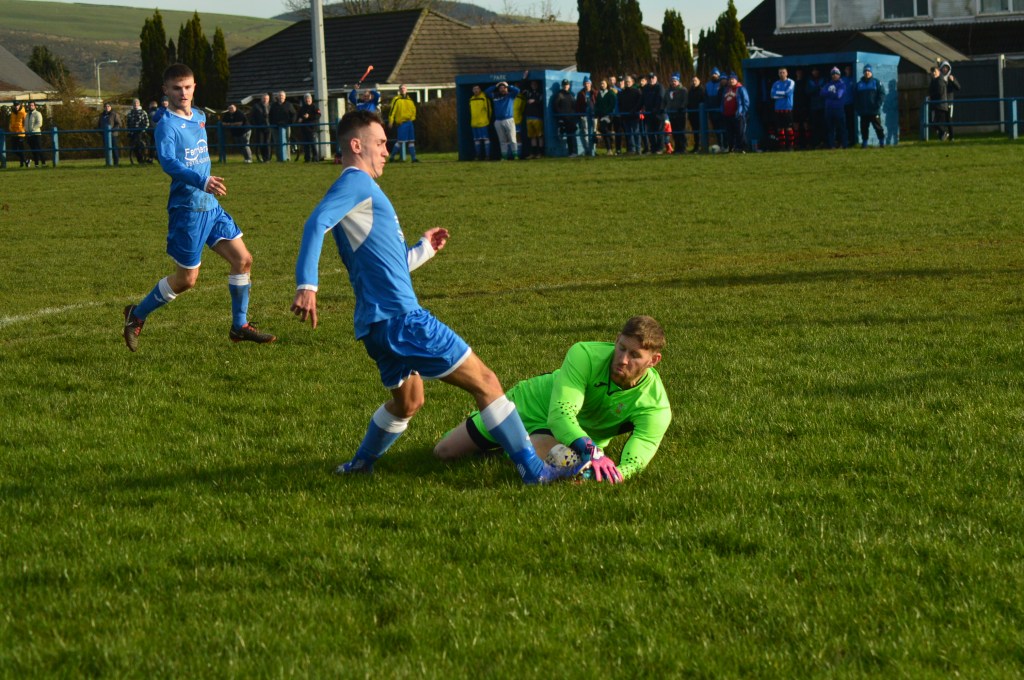
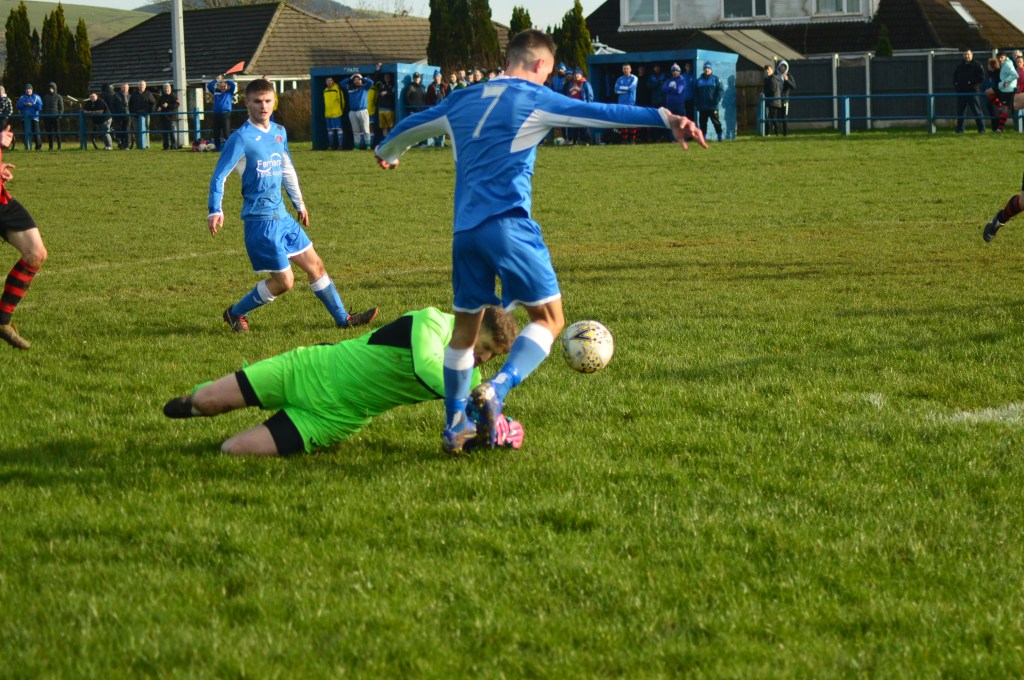
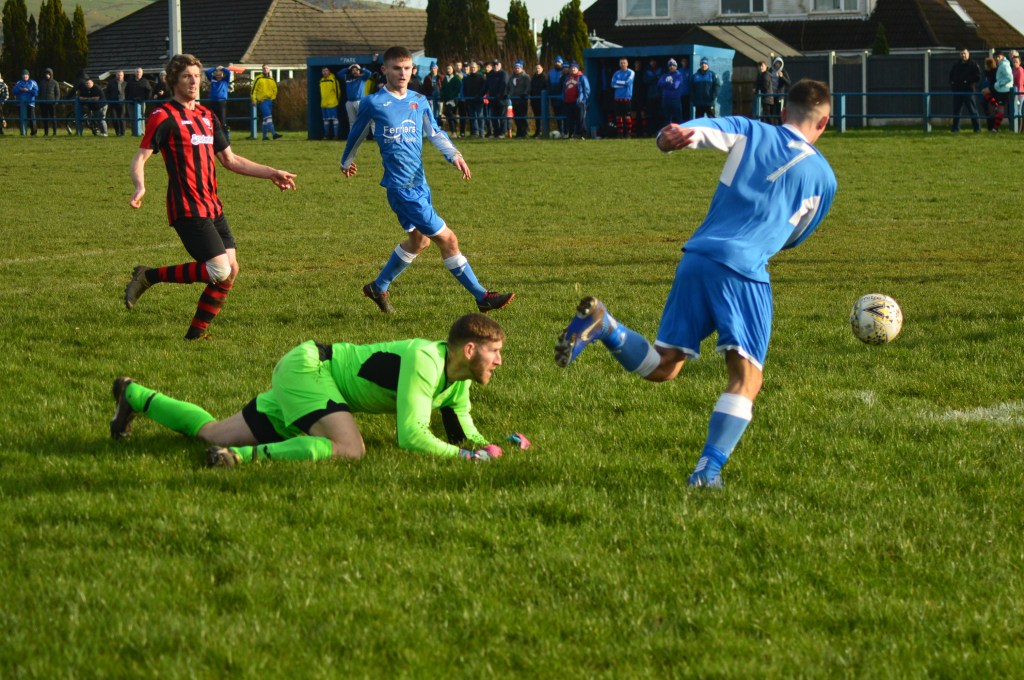
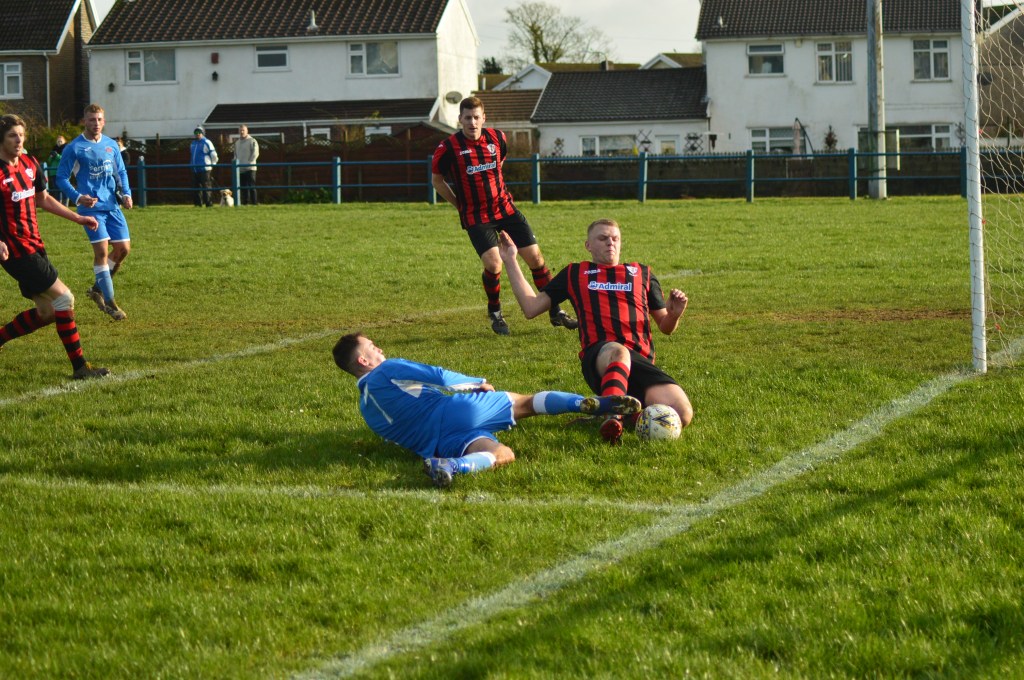
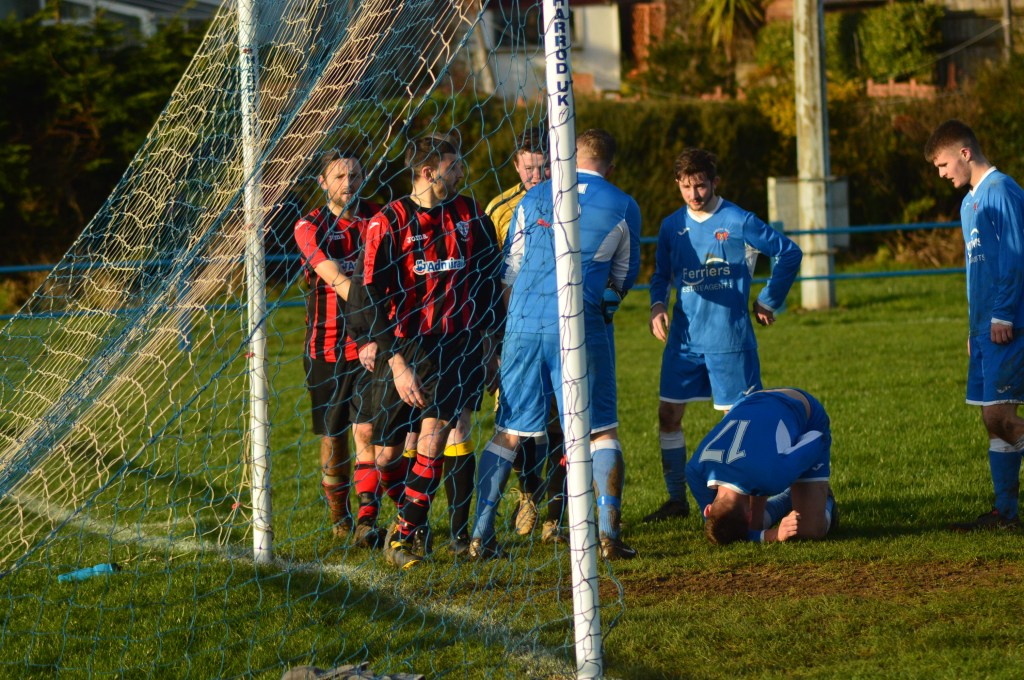
After the break Maesteg Park came out of the blocks strongly and another period of sustained pressure ensued, bombarding Pencoed’s penalty area with a series of dead ball situations. The pressure eventually tolled around the hour mark when Pencoed’s custodian spilled a free-kick and the ball was bundled home. I believe forward Ashton White – one of the young, local stars of this Maesteg side – claimed the goal.
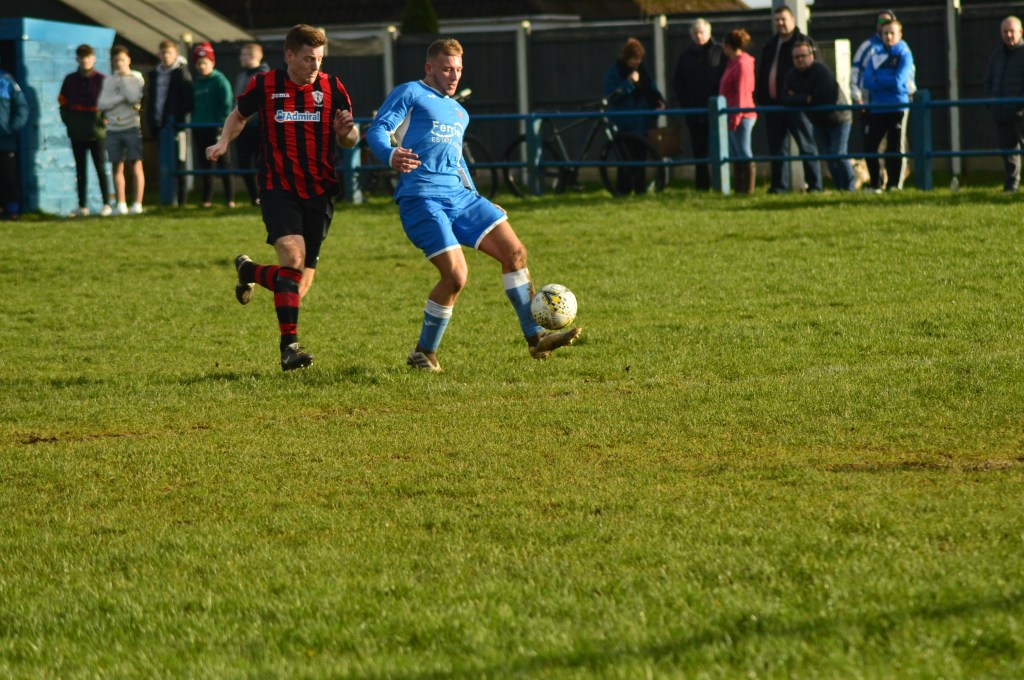
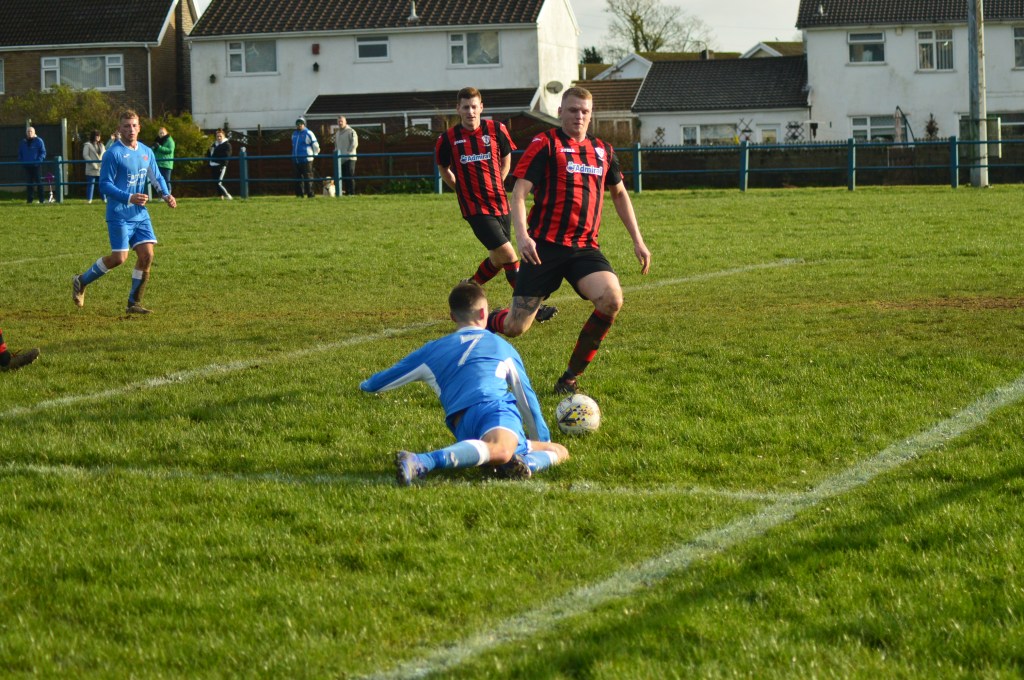
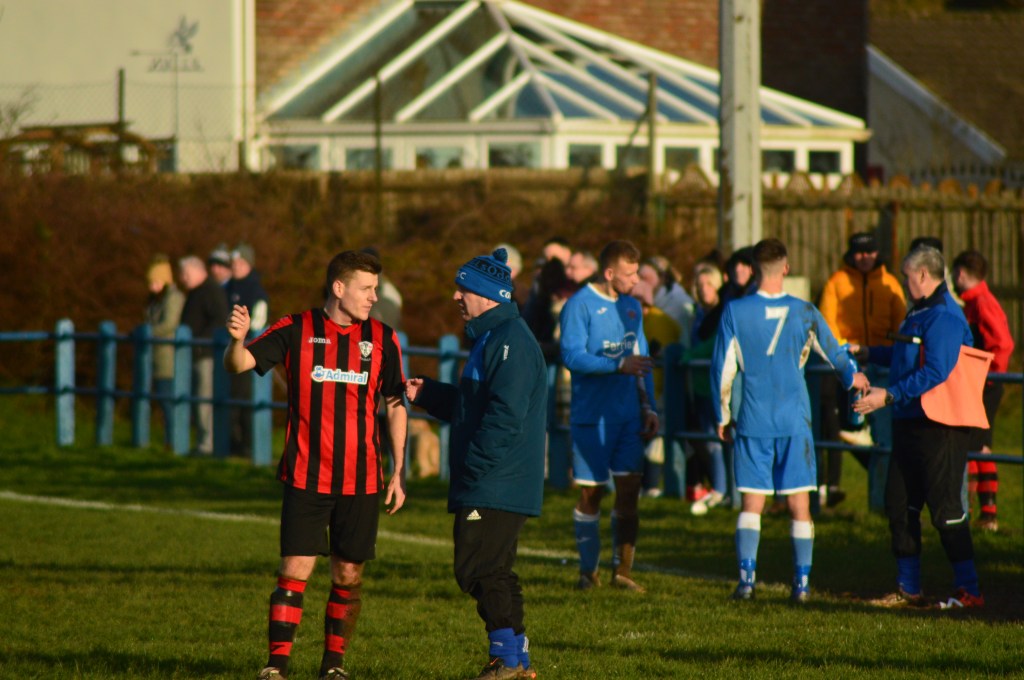
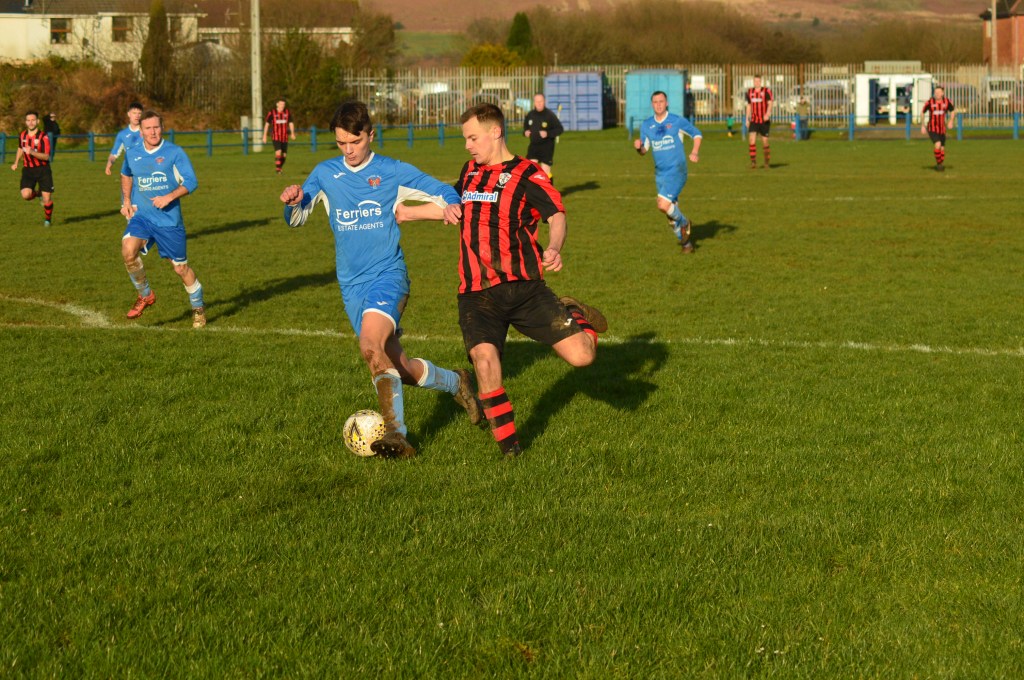
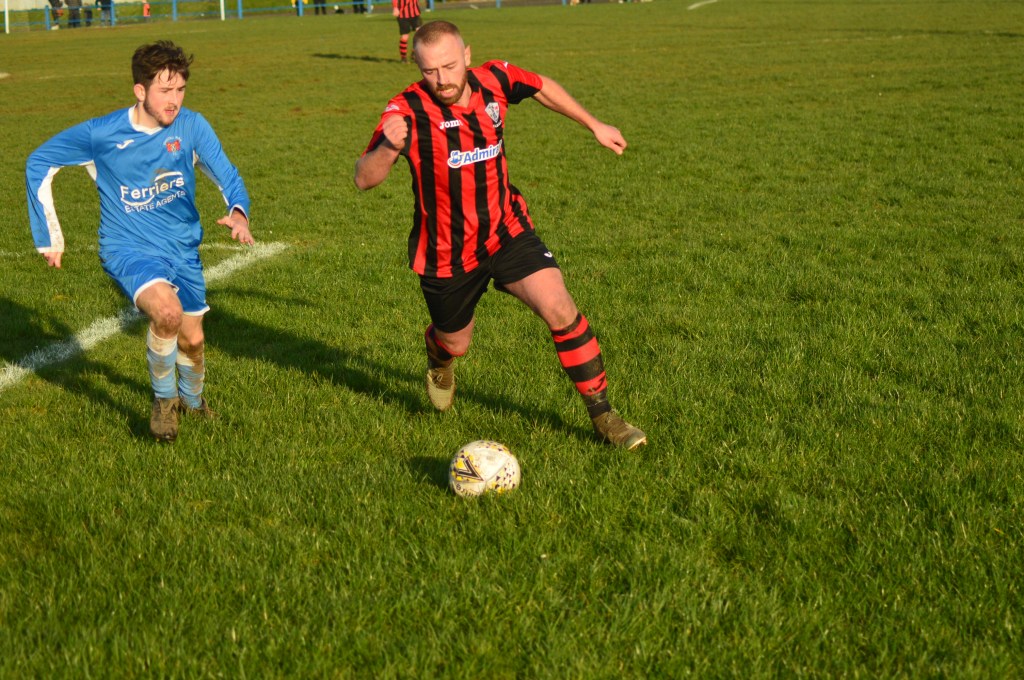
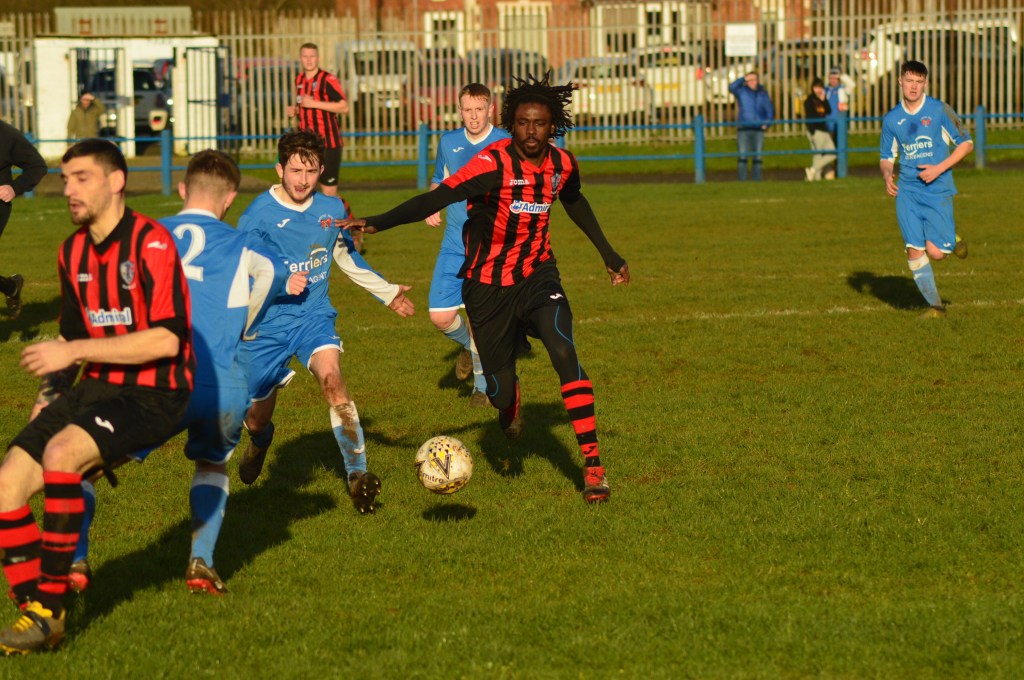
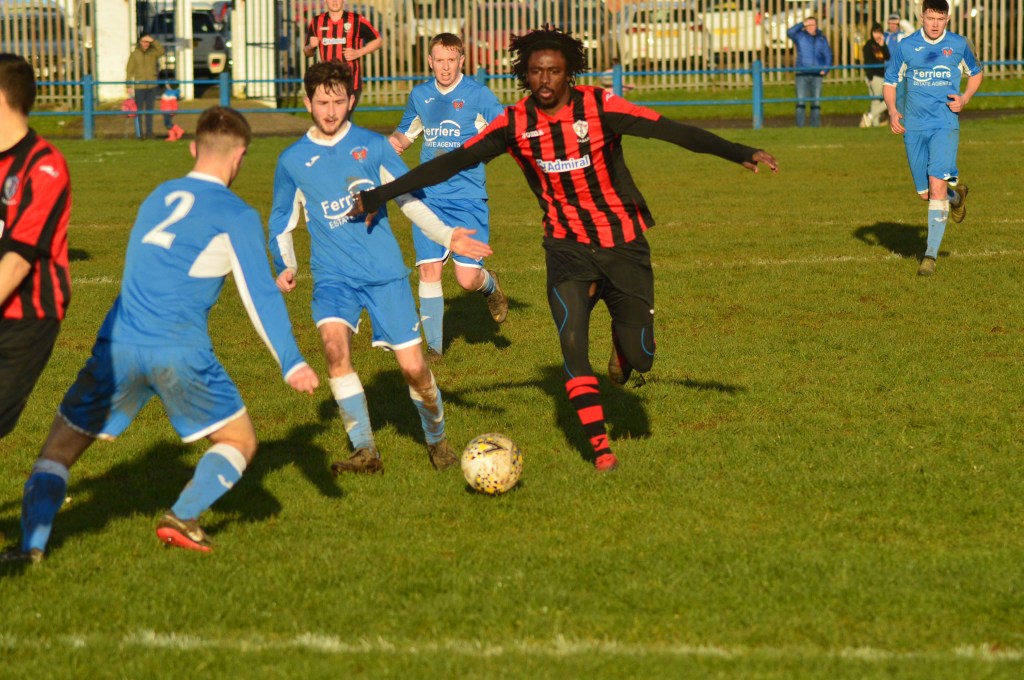
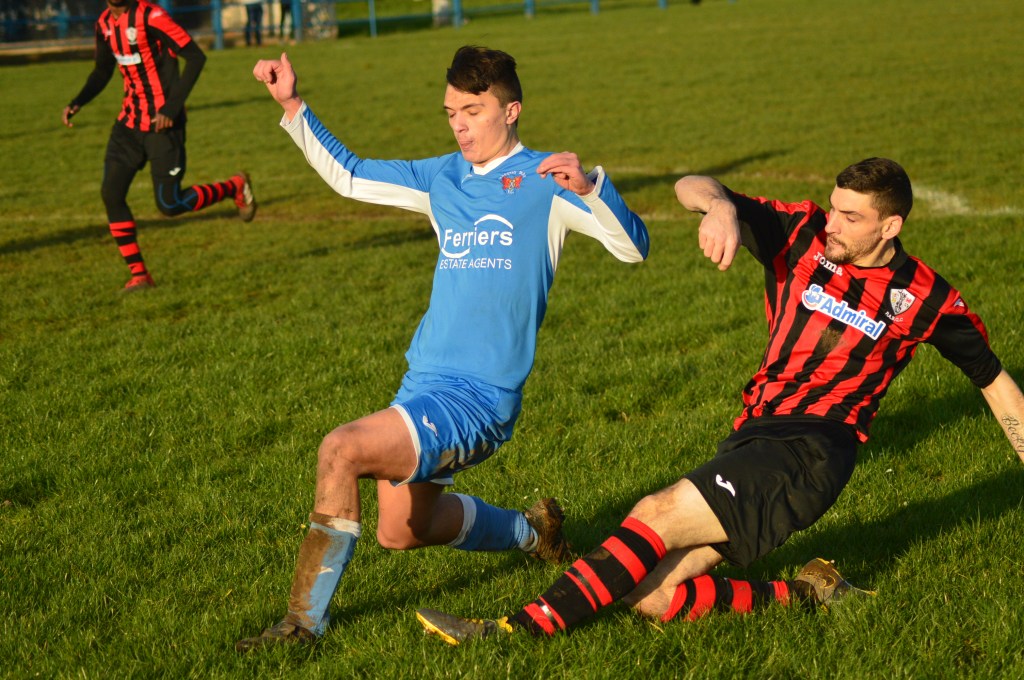
The final half hour proved a proper scrap on a pitch that wasn’t easy on the eye or the play; it was testament to the quality in both sides that such an engaging football match was played out on the surface. There were chances at both ends but neither side could strike the decisive blow in the regulation 90 minutes so we got another half-hour.
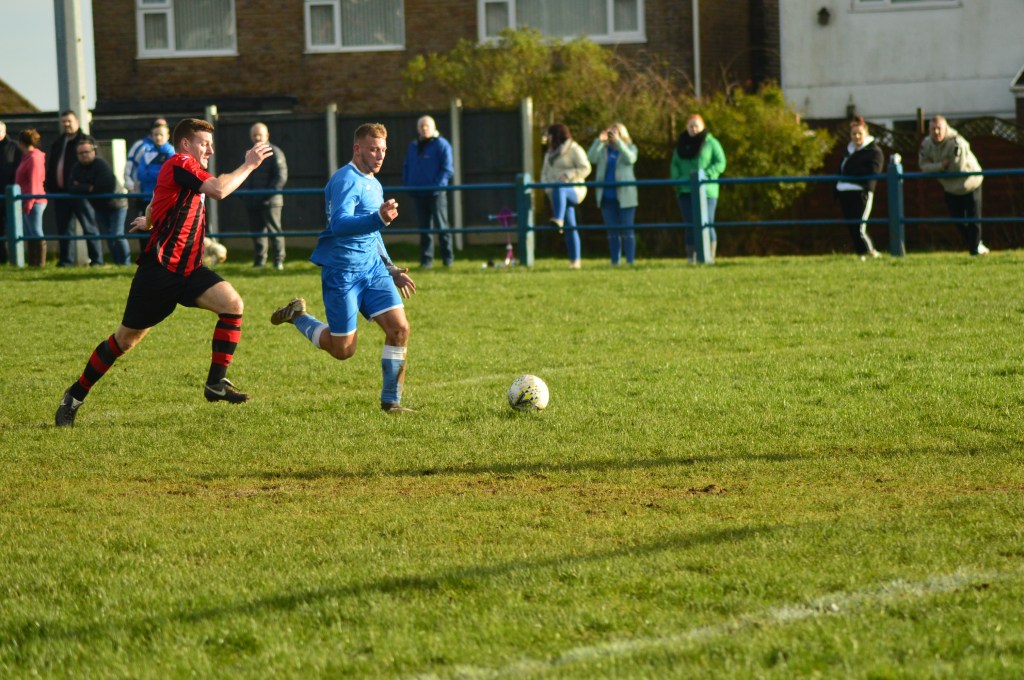
The winning moment came shortly into the second period of extra time, Pencoed’s Darren Townsend showing the poaching instincts that made him one of Mark Powell’s key targets in the summer to score from close range. Maesteg threw everything they could muster at Pencoed in the final stages and the visitors really had to dig in and use all their resolve to retain the lead, with a little bit of fortune along the way. The exhaustion of both sets of players was evident at the final whistle.
Pencoed progressed but there was no shame for Maesteg Park, newcomers in regional football, who more than competed with their higher level opposition. It was a fantastic football match, a hard-fought slugfest of a game. The crowd of around 90-95 is very good for a club playing at tier 7 but it was an encounter of such quality and competitive spirit it deserved the company of two or even three times that number.
Match notes
18.1.2020
Maesteg Park 1-2 Pencoed Athletic BGC [AET]
(Ashton White 60′; Jack Delve 40′, Darren Townsend 107′)
W John Owen Cup Third Round
Tudor Park, Maesteg
Attendance: 95 (approx) | Entry: Free
Welsh Ground #84





 Jordan Forster